Ather continues to remain India’s one of the popular electric two-wheeler manufacturers, but the recent sales numbers highlight an interesting problem. Ather is doing everything right, and the sales are quite consistent, but its competitors are growing exponentially.
Ather Is Starting To Feel The Pressure
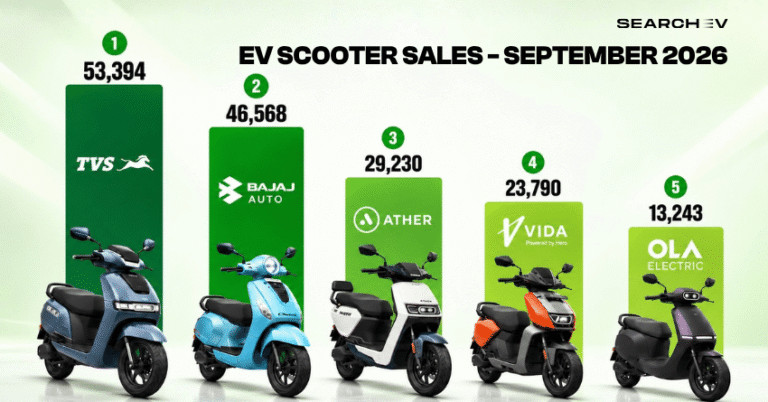
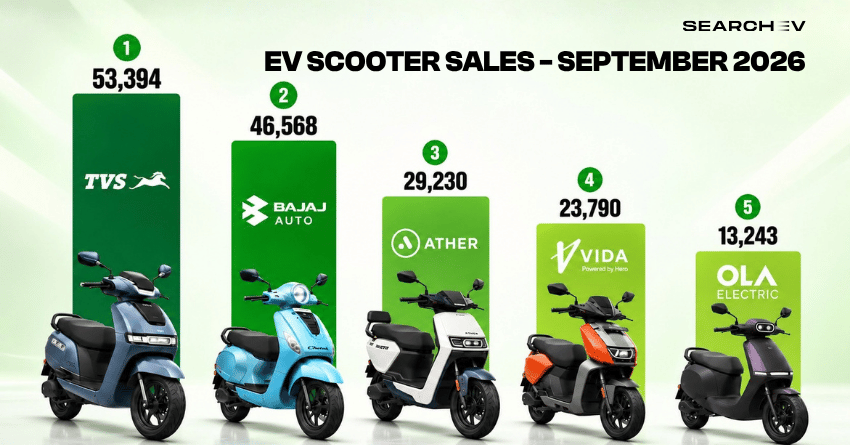
Ather sold 27,781 electric scooters in September 2026, almost similar to 27,951 units sold in August 2026. However, the overall electric two-wheeler market grew 6.3% during the same period. Here’s a detailed brand-wise breakdown of the sales of mainstream EV makes:
| Brand | Sept Sales | Aug Sales | MoM |
| TVS | 51,343 | 48,666 | +5.5% |
| Bajaj | 44,630 | 39,901 | +11.9% |
| Ather | 27,781 | 27,951 | -0.6% |
| Vida | 22,670 | 18,667 | +21.4% |
This puts TVS 23,562 units ahead of Ather, while Bajaj has a 16,849-unit advantage. The more interesting number, however, is behind Ather, following closely.
Vida Is Now Just 5,111 Units Behind
Vida sold 22,670 units in September 2026, including both the Vida V2 and the Vida VX2 ranges, jumping 21.4% from 18,667 units it sold in August 2026. And that leaves just 5,111 units gap between Ather and Vida.
Ather still has a sizeable advantage over a longer period. So, Vida overtaking Ather isn’t a foregone conclusion. But the September numbers show that Ather’s third position is facing considerably more pressure than before. We think this is due to the products in Vida’s lineup, i.e., the Vida V2 series and the Vida VX2 series, both focused on the family segment in India, which gives them immense leverage when compared to other scooters with different formats. Also, the dealership reach of Vida is much better than Ather, which is also another driving factor for these increasing sales.
Bajaj and TVS Shoot Ahead
Bajaj and TVS are way ahead of Ather with almost double the sales numbers. The primary reason for their growth dials down to the vast dealership network and the customer trust these mainstream brands have acquired over decades. Also, Ather lacks the extensive R&D experience these brands have, which helps them develop products faster and more efficiently while keeping the manufacturing costs low. Ather still needs some time and experience to reach the level of maturity these brands have attained. With all of this, these brands have captured the EV market with relative ease, and in a shorter period of time than Ather. We also think that if Ather sales don’t pick up in these upcoming months, the gap between the manufacturers and Ather will keep on widening, and it would be very hard for Ather to keep up with the sales then.
Ather’s Biggest Strength Is Also A Dependence
Ather’s growth story changed dramatically with the launch of Ather Rizta. The family scooter helped Ather grow substantially, making up over 70% of its sales volume, helping the brand move beyond the more performance-focused Ather 450 range.
By August 2026, the Rizta accounted for 22,586 units compared with 6,891 units for the 450 range. That’s roughly three-fourths of Ather’s volume for the month. The Rizta has clearly worked, but it also means Ather is heavily dependent on just one model family for volumes. It does have the 450 series, but the buyer segment of that scooter is much narrower than the family electric scooter one.
That’s Why The Konarc Matters
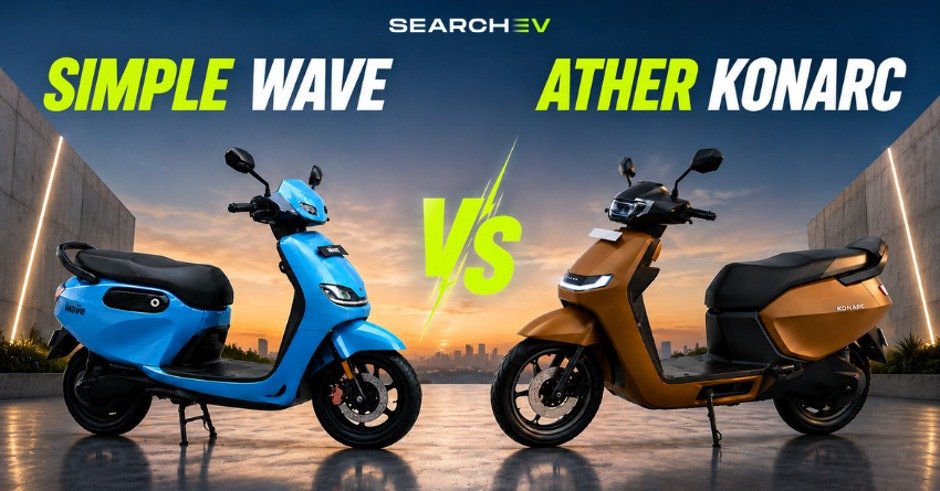
We think the newly launched Ather Konarc is very crucial to Ather’s next growth phase. Starting at Rs 99,999 (ex-showroom), it is aimed squarely at mainstream buyers, who are budget conscious as well. But the Konarc needs to bring new customers into Ather showrooms rather than simply shift existing Rizta buyers towards a cheaper alternative. That’s particularly important because Ather’s problem isn’t necessarily declining demand.
Ather is growing, but its rivals are simply scaling faster. TVS and Bajaj have already moved ahead, and September puts Vida only 5,111 units behind. The next few months should therefore show whether the Konarc can give Ather another volume boost — or whether the battle for third place is about to become much closer or a fierce duel between the two sister brands, as the majority stake of 32.8% in Ather Energy is held by Hero MotoCorp, which is also the parent company of Vida.