

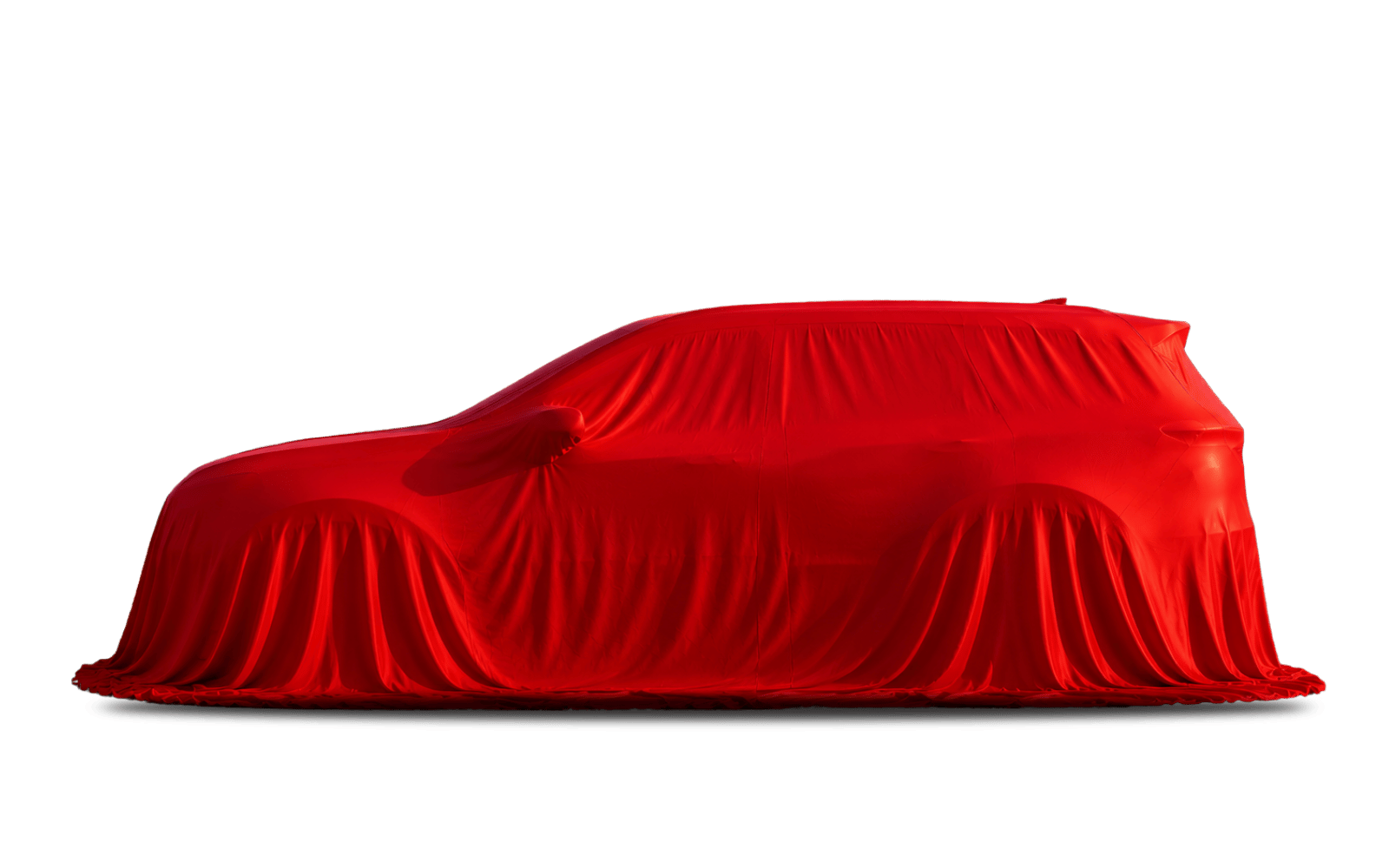
| Variant | Battery | Drive type | Expected range | Expected ex-showroom price |
|---|---|---|---|---|
| Safari EV 65 kWh | 65 kWh LFP | RWD only | About 500 km | Around Rs 22 lakh |
| Safari EV 75 kWh | 75 kWh LFP | RWD or AWD | Around 600 km | Up to Rs 25 lakh approx. |
What Both Tata Safari EV Variants Get
Both variants should share the acti.ev+ platform and the same 235 bhp rear motor. Also, each one should offer three rows of seats, with a choice of 6 or 7 seats. In addition, expect V2L and V2V support on both. Most importantly, Tata usually keeps core safety features standard, so both should get a strong safety kit.
Tata Safari EV 65 kWh
The 65 kWh should be the entry variant. It will likely use a single rear motor with around 235 bhp. On a full charge, it may cover around 500 km. Also, it should support DC fast charging of up to 100 kW. Because of its smaller battery, it should cost less than the 75 kWh. Therefore, it suits families who drive mostly in the city and take occasional highway trips.
Tata Safari EV 75 kWh
The 75 kWh should be the top variant. Thanks to its bigger battery, it may offer around 600 km of range. Besides that, it could charge faster, at up to 120 kW. More importantly, this variant should offer a choice of RWD or dual-motor AWD. With AWD, output could climb to around 385 bhp. On top of that, the 75 kWh will likely carry the full feature list, including the triple-screen dashboard.
Which Tata Safari EV Variant Should You Buy?
For city families, the 65 kWh should be enough and will likely cost less. On the other hand, the 75 kWh makes more sense if you often take long road trips. Also, pick it if you want AWD for hills or monsoon drives. Until Tata reveals official prices and features, keep checking SearchEV for updates.

What's good
-
 Seven-seat layout makes it family-friendly and practical
-
Potential AWD system makes it capable, even off the road
-
Premium feature list

What's not so good
-
 Launch date is still far away
-
Specifications have not been officially confirmed
-
Likely to be more expensive than the petrol/diesel Safari
 500Km/c
 180Kmph
 60Mins
 Connect Now