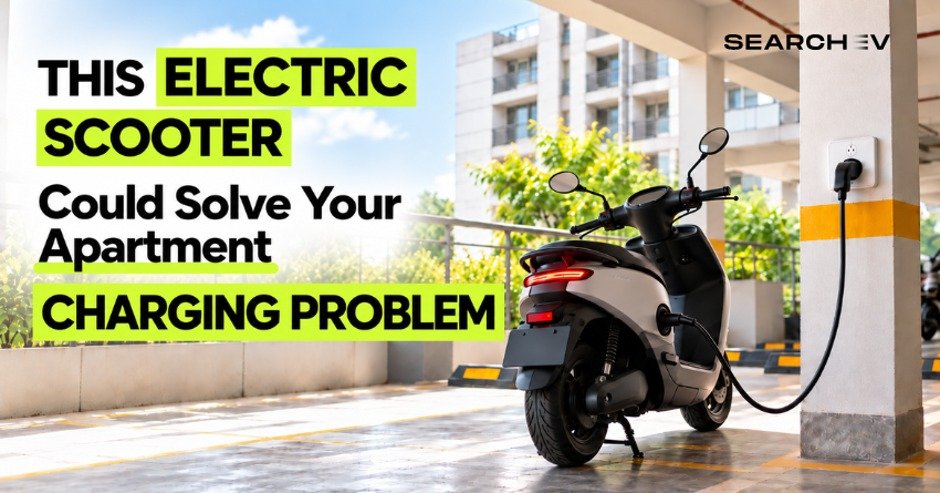
You’ve picked the colour, checked the range and worked out how much petrol money you could save. Then you look at your apartment’s parking space. There’s no socket, your landlord isn’t keen on new wiring, and the nearest charger adds a detour to your commute. Suddenly, choosing an electric scooter becomes a question of how you’ll charge it after getting home.
An Electric Scooter Has To Fit Where You Live
For someone with a dedicated parking space and an electrical connection, charging overnight can become an ordinary part of the routine. Shared parking and rented accommodation can make that arrangement harder to establish. You might need permission for wiring, a different parking allocation or access to a connection that other residents also use. These details deserve attention before you start comparing riding modes and console sizes.
A scooter bought for convenience should fit the way you live. If charging means regularly changing your route or waiting away from home, account for that time alongside the money you expect to save.
More Range Doesn’t Always Mean Easier Ownership
A larger battery can increase the distance between charging sessions. It still needs somewhere to replenish its energy. For a rider without access to a parking-space socket, additional range can postpone the inconvenience but not resolve it.
Removable batteries are another approach: take the battery with you to a suitable charging location while the scooter stays parked. That can be useful when your available socket is inside your flat.
The practical test is the complete journey between scooter and charger. Carrying a pack into a nearby lift is different from taking it up several flights of stairs. The battery’s weight, your mobility and the charging arrangement all influence whether that flexibility makes everyday life easier or not.
The Vida VX2 Offers Two Different Charging Approaches
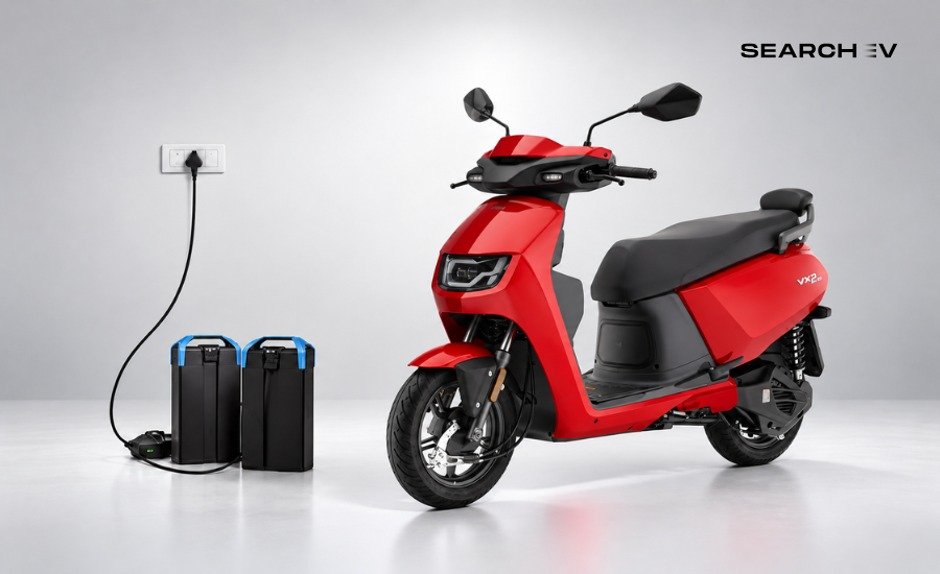
That is where Hero MotoCorp’s Vida VX2 becomes interesting. The Plus 3.4 kWh and Plus 4.4 kWh versions have removable batteries, allowing their charging routine to extend beyond the scooter’s parking spot.
They also offer more than basic commuting performance on paper. VIDA claims 0–40 kmph in 3.1 seconds for both Plus versions, with respective top speeds of 80 kmph and 90 kmph. Reverse mode adds another practical function for manoeuvring the scooter in tricky parking spots.
Variant selection is critical, though. The VX2 Go 3.1 kWh uses a fixed battery. It suits a different charging arrangement and cannot deliver the same take-the-battery-home advantage. The removable-battery versions are the ones relevant to this apartment-charging argument. Buying by the VX2 badge alone could leave you with a scooter whose charging requirements do not match your home.
The Right Variant Matters More Than The Biggest Range Claim
Start with your regular distance, the time available for charging and the battery arrangement you can comfortably manage. The smallest pack may cover a short commute, while a larger one provides additional flexibility for longer days.
| VX2 variant | Battery arrangement | Claimed IDC range | Listed outright price* |
| Go 2.2 kWh | Removable | 93 km | Rs 1,04,990 |
| Go 2.2 kWh RQ | Removable | 93 km | Rs 1,09,990 |
| Go 3.1 kWh | Fixed | 127 km | Rs 1,15,990 |
| Go 3.4 kWh | Removable | 146 km | Rs 1,25,990 |
| Plus 3.4 kWh | Removable | 146 km | Rs 1,35,990 |
| Plus 4.4 kWh | Removable | 187 km | Rs 1,55,990 |
IDC range is a certified test figure. Traffic, riding mode, load and conditions will affect the distance you achieve. Leave a charging margin instead of planning every journey around the maximum advertised number.
The RQ version illustrates another detail worth checking: the supplied charger. VIDA advertises a 1,000 W unit for the Go 2.2 RQ, so the smallest battery options should not automatically be treated as identical ownership packages. Compare charging times for the same start and finish percentages before deciding what fits your ideal working day. The Plus 4.4’s larger range claim makes it interesting for longer commutes, but someone covering shorter distances may find another removable-battery version easier to justify.
The Lower Upfront Price Needs A Proper Ownership Calculation
VIDA also offers Battery-as-a-Service with financing through partner lenders, with the customer owning both scooter and battery from purchase. The lender’s interest stays recorded against the vehicle until the financing obligations are cleared. Battery payments depend on the selected usage plan. VIDA specifies minimum monthly kilometres and plan-specific overage charges, so your actual riding pattern matters when choosing a contract.
Compare the complete payment schedule with an outright quotation for the same variant and incentive eligibility. Include the deposit, all scheduled chassis and battery repayments and mandatory fees. Electricity expenses belong in the calculation as well.
A low advertised entry price is only the beginning of that comparison. Ask for the repayment schedule, settlement conditions and included benefits in writing. The useful question is whether the complete arrangement offers value over the period you expect to own the scooter.
A Practical Answer For The Right Kind Of Rider
Before buying, ask to lift the actual battery packs and understand the charging process. Consider the walk from your parking bay, lift access, stairs and where the charger will sit. Confirm that your intended charging location meets the manufacturer’s requirements. Also check which nearby service centre supports the exact model and what its battery warranty covers.
For an apartment resident with a suitable indoor charging arrangement and a manageable carry, a removable-battery VX2 could make electric commuting more practical. Someone with a parking-space socket has different priorities and may reasonably consider the fixed-battery version. All in all, an electric scooter is only right for you if you can comfortably use it.