Quick Reads
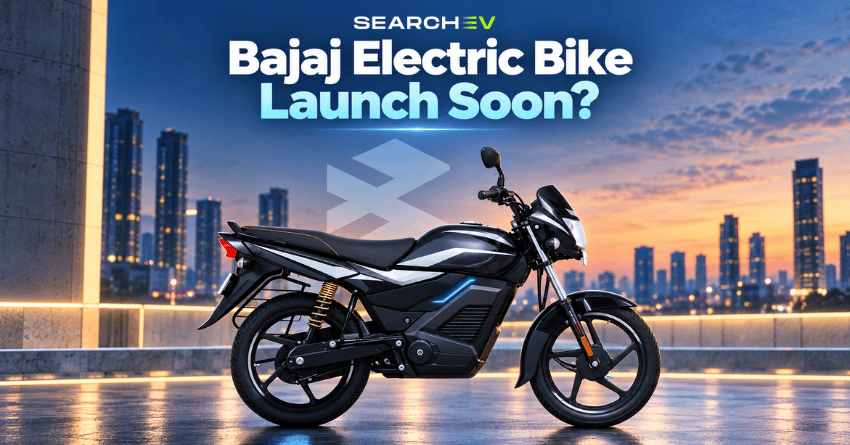
- Bajaj has confirmed the development of its first electric motorcycle
- First launch expected sometime in 2028
- Export markets will get priority over India
- Battery, range, design and price are yet to be revealed
Bajaj Auto has already established itself as one of India’s largest electric two-wheeler manufacturers with the Chetak sub-brand. However, its next electric project could be considerably more interesting.
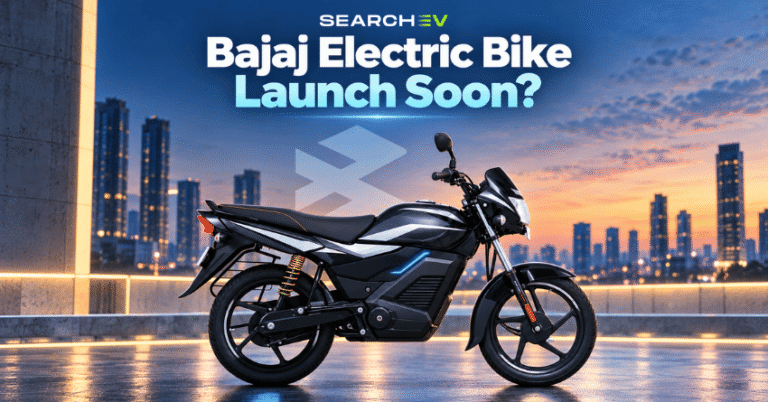
Bajaj is actively developing its first electric motorcycle, opening up the possibility of an electric Pulsar, a commuter-focused motorcycle, or something entirely new. During the brand’s July 2026 earnings call, CFO Dinesh Thapar confirmed that electric motorcycle development was progressing, with a launch targeted around financial year 2028.
Interestingly, Bajaj doesn’t appear to be rushing the motorcycle into dealerships, despite the success of the Chetak. And there’s a reason why its first electric bike could be very different from what enthusiasts might expect.
Will Bajaj Make An Electric Pulsar Or Something Different?
The obvious question is whether Bajaj will introduce an electric Pulsar or something else. After all, Pulsar remains one of Bajaj’s most recognisable and sought-after motorcycle ranges. Its sporty character, younger customer base and established reputation make it an attractive candidate for being the pioneer of electrification in the brand’s lineup.
However, an electric Pulsar hasn’t been officially confirmed. Another possibility is a motorcycle inspired by the Bajaj Platina or Boxer, Bajaj’s export-orientated commuter brand. This could make sense given the company’s international motorcycle business and its plans for the new electric model.
And that distinction matters. An electric Pulsar would likely need to deliver strong acceleration, excellent handling and a distinctly sporty-commuter character. A totally commute-focused electric motorcycle, on the other hand, could prioritise affordability, battery efficiency and everyday practicality.
What Range And Performance Can We Expect From Bajaj Electric Bike?
Bajaj hasn’t revealed the upcoming motorcycle’s battery capacity, motor output or claimed range. However, the competition gives us some idea of the performance benchmarks the brand could target.
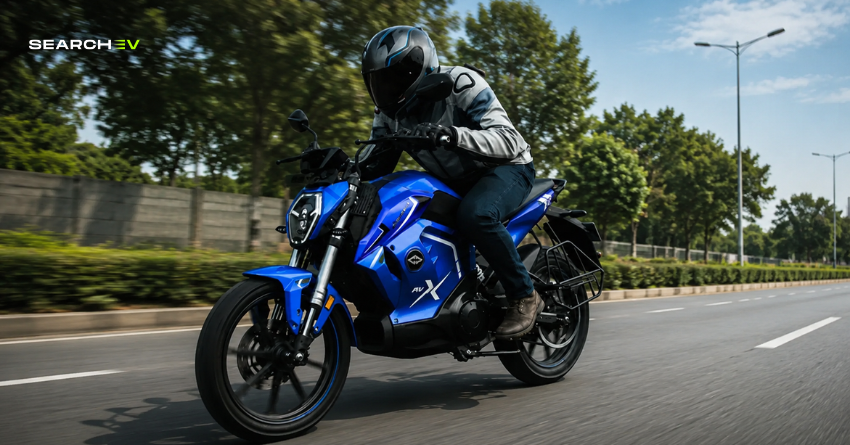
Motorcycles such as the Oben Rorr Evo and Revolt RVX already offer commuter-friendly performance while keeping their prices relatively accessible. For a mainstream electric motorcycle, a claimed range of 150–200 km, practical urban performance and manageable charging times would make for a quite competitive package. These are reasonable market benchmarks rather than confirmed Bajaj specifications.
There is also the question of battery technology. Bajaj already has considerable experience developing electric powertrains for the Chetak electric scooter. That experience could come in handy with battery management, motor efficiency and vehicle electronic systems.
However, a motorcycle presents different challenges, particularly in terms of battery packaging, weight distribution and sustained performance. The bigger question is whether Bajaj chooses outright performance or concentrates on a product that can replace a conventional petrol commuter, possibly an alternative to the Hero Splendor Plus.
Bajaj Electric Motorcycle Expected Price
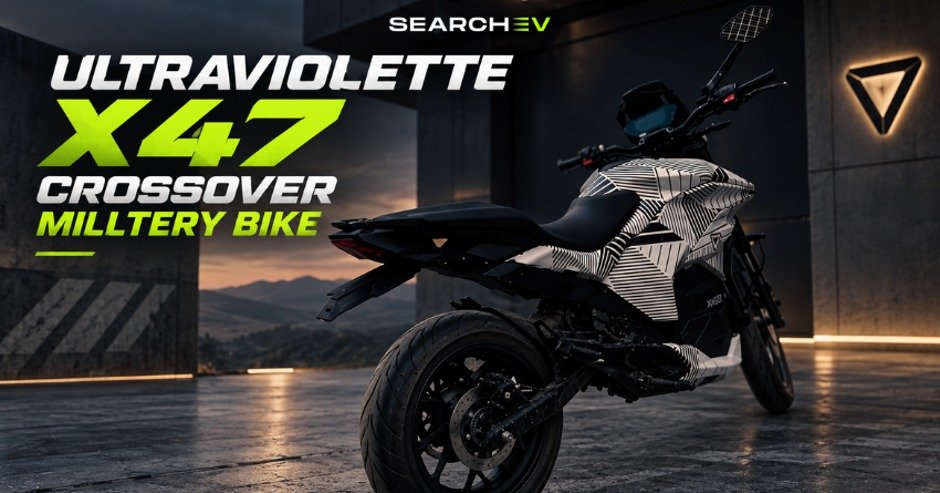
Pricing could be the major deciding factor. India’s affordable electric motorcycle segment already includes products from Oben, Revolt and Ola, while manufacturers such as Ultraviolette operate further up the performance segment with bikes like the Ultraviolette X-47 Crossover.
For context, our list of electric motorcycles under Rs 1.5 lakh highlights how competitive the entry-level segment has become. If Bajaj targets mainstream Indian buyers, a starting price somewhere around Rs 1.2–1.8 lakh could make sense depending on the battery, performance and equipment on offer.
However, this is only an editorial estimate. Bajaj hasn’t provided an indicative price, and an export-focused motorcycle could be positioned quite differently. The brand’s biggest advantage may instead be its manufacturing experience, supplier relationships and established motorcycle business, which could help it compete on value, rather that outright flagship technology.
Bajaj Electric Motorcycle Launch Timeline: India May Have To Wait
Here’s the interesting part. Although Bajaj is targeting 2028 for its first electric motorcycle launch, India may not be the first market to receive it. It has been indicated by the brand that international markets will be prioritised before domestic sales. But, Bajaj being Bajaj, the possibility of it being offered in India still remains on the table. This also suggests Bajaj could initially develop the motorcycle around requirements in its overseas markets before adapting or introducing it for India.
Financial year 2028 runs from April 2027 to March 2028, meaning the global launch could take place during that period if development progresses as planned, and it certainly might be on schedule, as Bajaj has a large R&D department. However, there is no confirmed launch date as of now.
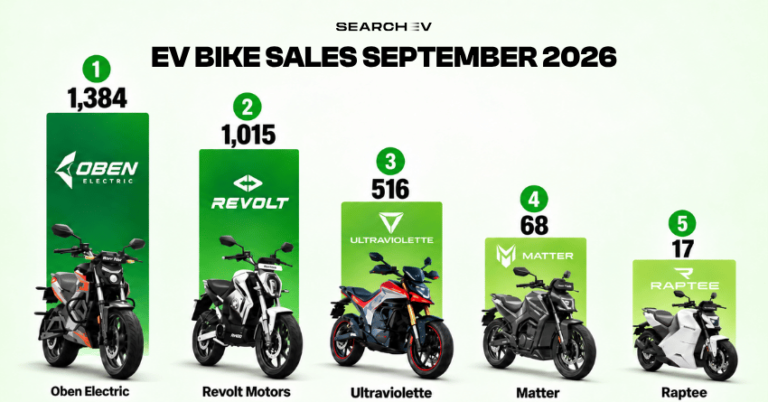
The opportunity itself is substantial. As our September 2026 electric motorcycle sales analysis shows, India’s electric bike segment remains relatively small compared with electric scooters. Oben, Revolt and Ultraviolette currently account for much of the market’s volume, with Oben being the current ‘Best-seller’. Bajaj’s entry could bring a major established motorcycle manufacturer into a segment still dominated by smaller EV specialists, and repeat the same: what Chetak did in India’s EV market.
SearchEV Says
Bajaj has already demonstrated with Chetak that it can build a successful electric two-wheeler business. But an electric motorcycle is a whole different proposition altogether. The Pulsar nameplate would certainly attract attention from a younger range of buyers, while a practical, affordable commuter could open up a much larger customer base.
For now, the name, specifications and pricing remain under wraps. What we do know is that Bajaj’s first electric motorcycle is coming, and its biggest surprise might be that India doesn’t get it first.