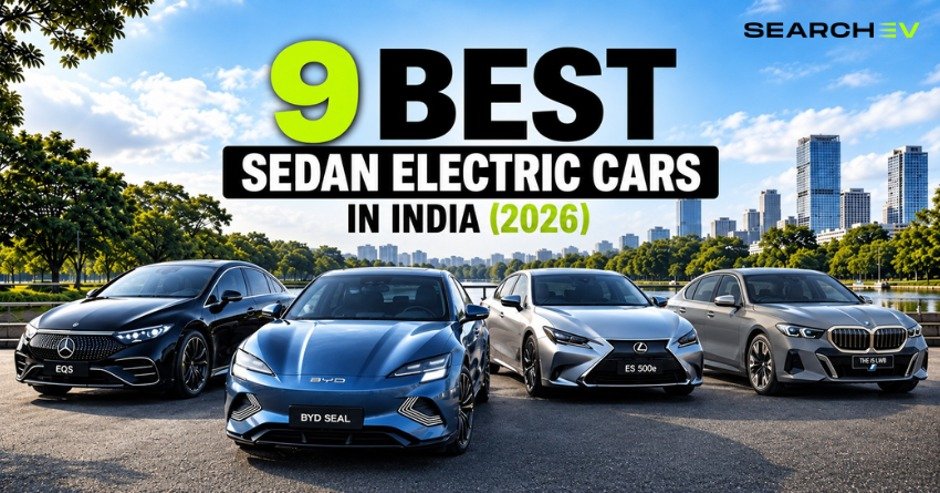
Ask most people about electric cars in India, and the conversation drifts straight to SUVs. Fair enough — that’s where the volume is. But electric sedans have quietly built one of the most interesting line-ups in the Indian EV market, stretching from the affordable Rs 12.49 lakh Tata Tigor EV, all the way up to the flagship Rs 2.45 crore Mercedes-AMG EQS Sedan. Somewhere in between sits a genuinely wide spread of options: efficient daily drivers, performance-focused imports, and full-blown luxury flagships.
If you’re the kind of buyer who values excellent driving dynamics, efficient aerodynamics, and a more engaging drive than an SUV typically offers, this list is for you. We’ve picked the 9 best sedan electric cars on sale in India right now, laid out their price and range side-by-side, and also analysed what’s coming next. No fluff, just the numbers and the reasoning you actually need to make a purchase.
Why Choose an Electric Sedan Over an Electric SUV
Before jumping into the list, it’s worth understanding why an electric sedan might be the smarter choice for some buyers, even with SUVs dominating the sales charts.
- Better aerodynamics: A sedan’s lower stance and, sleeker shape slice through air more efficiently than a tall SUV, which directly translates to better real-world range from the same-size battery due to a reduced drag coefficient.
- Lower centre of gravity: This makes electric sedans noticeably more planted and confident in corners and at highway speeds, especially relevant for the performance-orientated models on this list.
- Better cost-to-range ratio: Because sedans don’t need to push as much air out of the way, manufacturers can extract more range without oversized (and expensive) battery packs.
- A different ownership statement: SUVs signal practicality; sedans, especially in the EV space, tend to be chosen by buyers who care about ride dynamics, styling, and a more premium road presence.
None of this means an electric sedan is objectively better than an electric SUV — ground clearance and boot access still favour the SUV crowd. But if efficiency and driving dynamics matter more to you than outright practicality, a sedan deserves a proper look.
Best Sedan Electric Cars in India Comparison
Here’s the complete line-up, ordered from the most affordable to the most expensive. Each car gets a quick, interesting rundown of what makes it worth considering along with its variants, followed by a small spec table covering battery, range, power, speed and charging.
1. Tata Tigor EV — Rs 12.49 Lakh Onwards
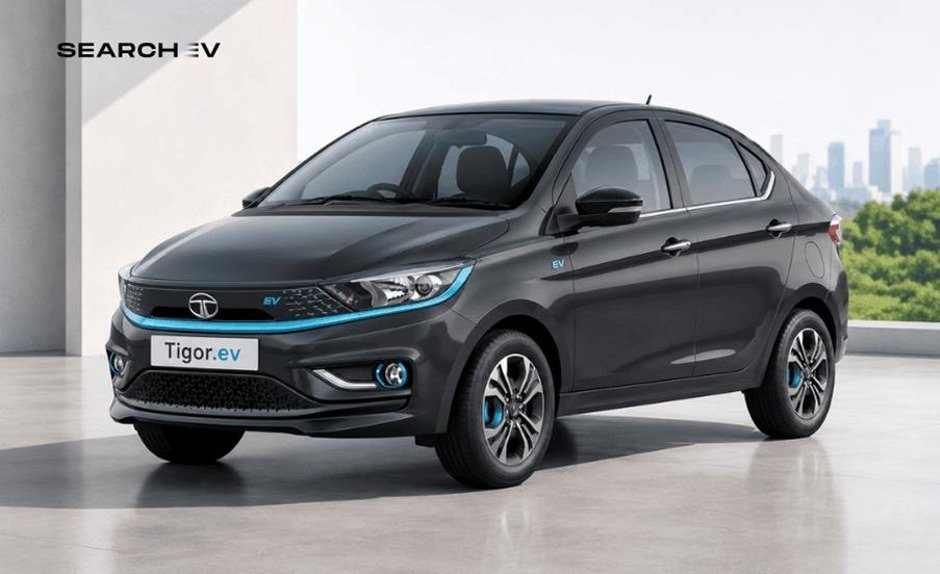
The Tata Tigor EV has the distinction of being one of the very first EVs Tata Motors brought to India, and it’s still the most affordable electric sedan you can buy today. It’s sold across four variants — XE, XT, XZ+, and XZ+ Lux — all built around the same 26 kWh battery, so the price difference comes down to features rather than performance. It’s popular with fleet operators and ride-hailing services for exactly this reason: low running costs and predictable maintenance.
| Battery | Range | Power | Speed (0-100 kph) | Charging | Price |
| 26 kWh | 315 km (ARAI) | 55 kW | ~13.2 sec (Sport Mode) | DC: 0-80% in ~60 min | Rs 12.49 – 13.75 lakh |
2. BYD Seal — Rs 41.50 Lakh Onwards
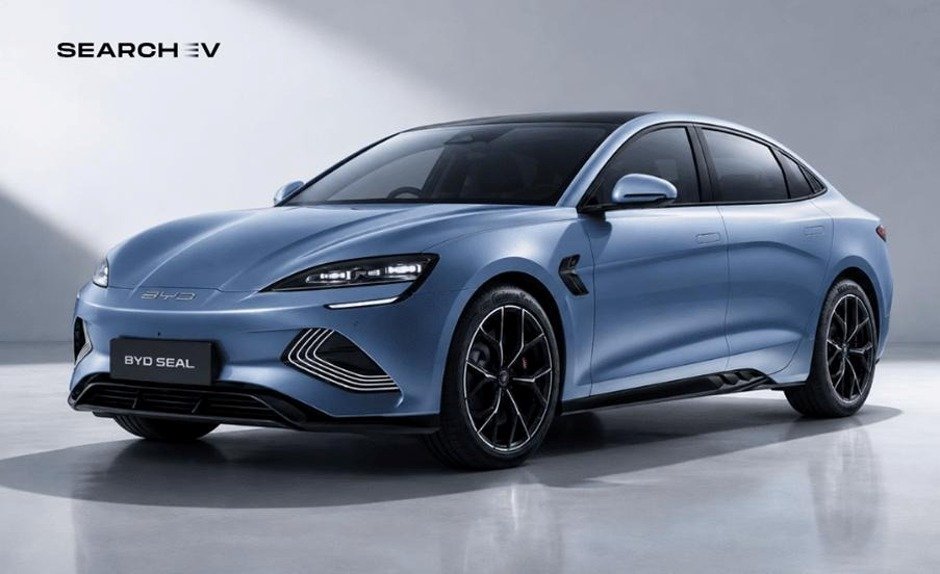
The BYD Seal is the value disruptor of this entire list — a genuinely premium electric sedan priced well below what its spec sheet suggests it should cost. It comes in three variants: Dynamic and Premium (both rear-wheel drive) and the range-topping Performance, which adds a second motor for all-wheel drive capability. That top variant is pretty quick, and even the base Dynamic trim undercuts most rivals by a wide margin.
| Battery | Range | Power | Speed (0-100 kph) | Charging | Price |
| 61.44 / 82.56 kWh | Up to ~650 km | 152 – 395 kW | Up to 3.8 sec (Performance) | 150 kW DC (30-80% in ~26 min) | Rs 41.50 – 53.65 lakh |
3. Mercedes-Benz CLA Electric — Rs 56.50 Lakh Onwards
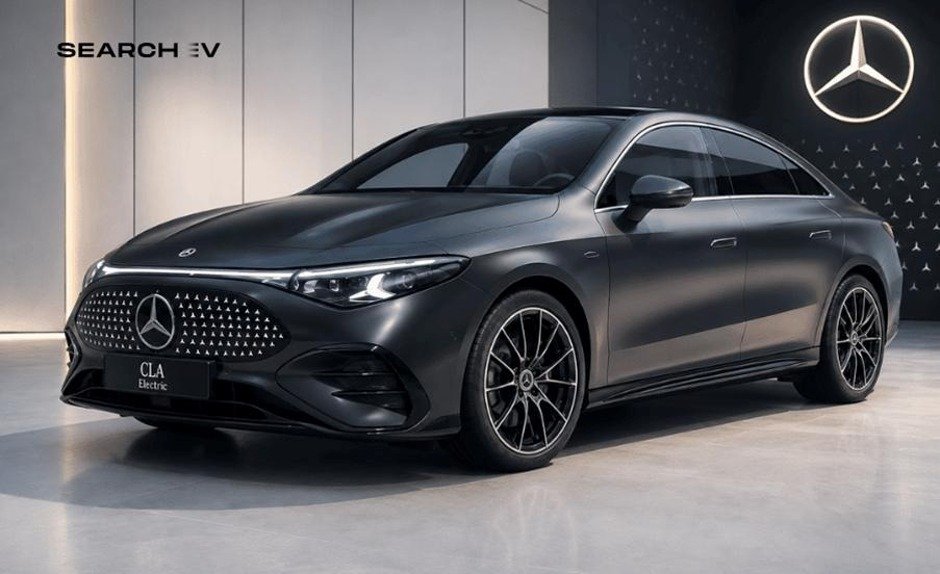
The CLA Electric is Mercedes’ first model built on its new dedicated MMA (Mercedes-Benz Modular Architecture) platform, and it shows in the efficiency numbers. It comes in two trims — the CLA 200 Standard Range and the CLA 250+ Long Range, with a limited-run Launch Edition of the latter available at launch. Its 800V architecture offers fast charging ability, and the WLTP range on the top variant is among the best in this entire list.
| Battery | Range | Power | Speed (0-100 kph) | Charging | Price |
| 58 / 85.5 kWh | 542 – 792 km (WLTP) | 200 – 250 kW | ~7.5 sec (CLA 200) | 240 kW DC (adds up to 400 km in 20 min) | Rs 56.50 – 64 L |
4. Lexus ES 500e — Rs 89.99 Lakh
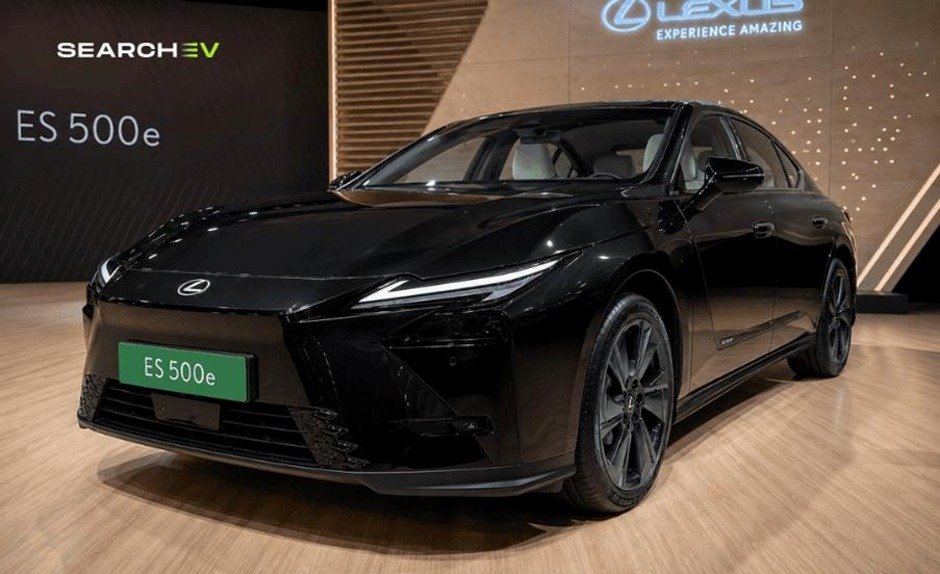
The Lexus ES 500e takes a completely different approach from the rest of this list — it prioritises quiet, dependable comfort over outright range or performance bragging rights, though its 5.5-second 0-100 kph time shows it isn’t slow either. It’s sold as a single, fully-loaded variant, which keeps the buying decision refreshingly simple. Buyers choosing this over the BMW or Mercedes options are usually doing so for Lexus’s long-standing reputation on reliability and after-sales experience rather than spec-sheet numbers.
| Battery | Range | Power | Speed (0-100 kph) | Charging | Price |
| 74.68 kWh | ~580 km | 252 kW | 5.5 sec | 150 kW DC (10-80% in ~28 min) | Rs 91.20 lakh |
5. BMW i5 LWB — Rs 79.60 LakhOnwards
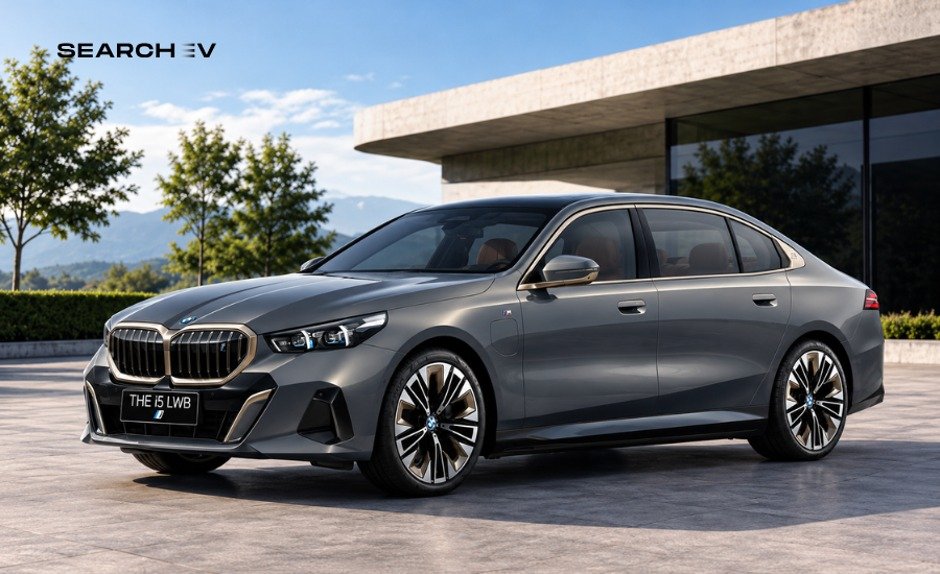
The BMW i5 LWB sits below the flagship BMW i7, offering a genuinely spacious executive-sedan experience without the full chauffeur-focused price tag of the bigger car. In India, it’s sold in a single variant — the i5 eDrive35L M Sport — which, with its real-wheel-drive setup feels genuinely quick performance, makes it as much a driver’s car as a comfort-focused one.
| Battery | Range | Power | Speed (0-100 kph) | Charging | Price |
| 76.3 kWh | ~669 km (WLTP) | 200 kW (272 PS) | 6.7 sec | 160 kW DC fast charging | Rs 79.60 lakh |
6. Mercedes-Benz EQS — Rs 1.30 Crore Onwards
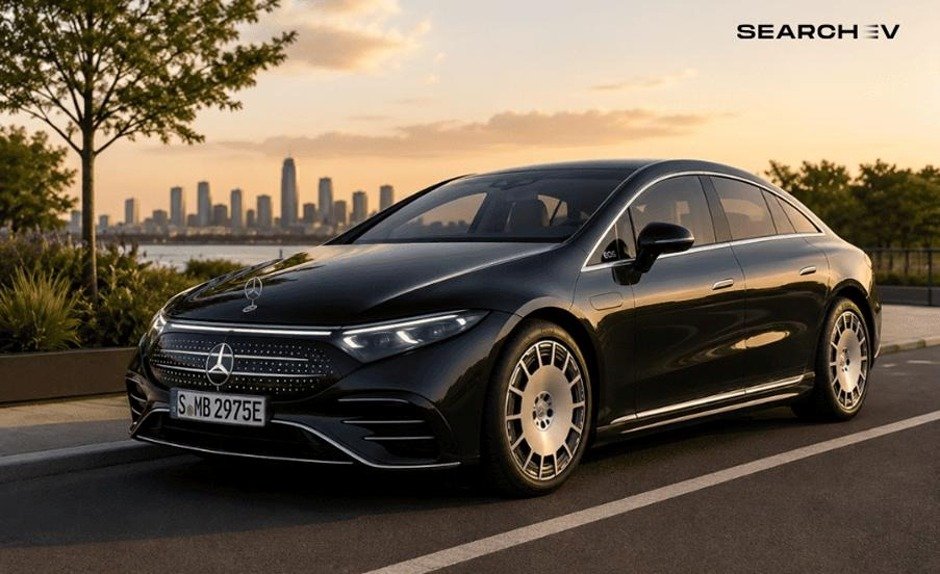
The Mercedes EQS 580 4Matic is the brand’s purpose-built electric flagship, engineered on the dedicated EVA2 platform with a class-leading drag coefficient of just 0.20 Cd. That obsessive focus on aerodynamics is exactly why it manages to out-range cars costing a crore more. It’s sold as a single, fully-loaded variant, so there’s no variant-picking dilemma here — just one very complete package.
| Battery | Range | Power | Speed (0-100 kph) | Charging | Price |
| 107.8 kWh | 857 km (ARAI) | 390 kW | 4.3 sec | 200 kW DC (10-80% in ~31 min) | Rs 1.30 Cr onwards |
Also Read
Upcoming Electric Cars In India In 2026: Tata.ev, Hyundai, And More
7. Porsche Taycan — Rs 2.01 Crore Onwards
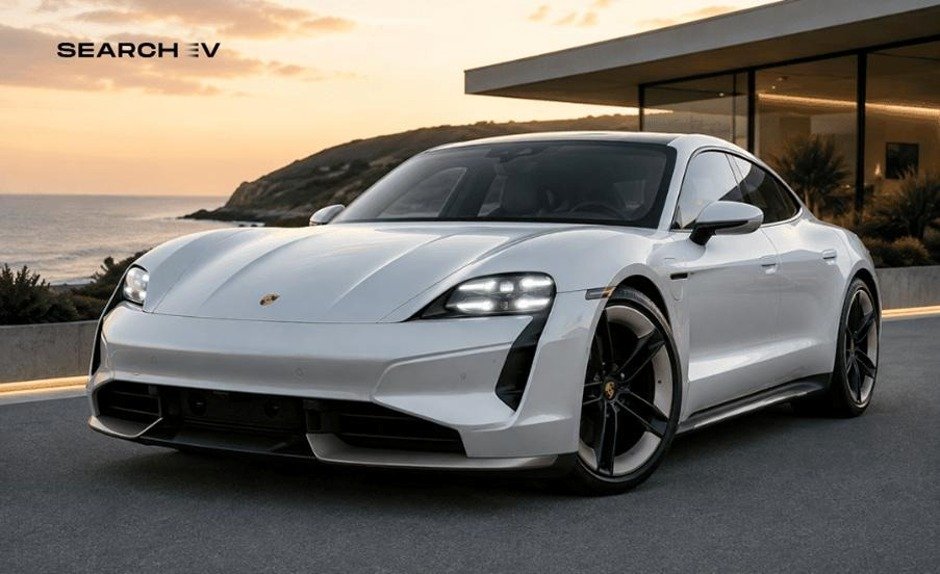
The Porsche Taycan is the enthusiast’s choice on this list, engineered first for driving dynamics rather than outright range or rear-seat comfort. It’s offered across four variants — Standard (STD), 4S, Turbo, and Turbo S — with a 79.2 kWh battery on the base car and a larger 93.4 kWh Performance Battery Plus on higher trims. Its 800V architecture and unique 2-speed rear-axle transmission let it deliver repeated hard launches without the performance drop-off that affects many other EVs.
| Battery | Range | Power | Speed (0-100 kph) | Charging | Price |
| 79.2 / 93.4 kWh | Up to 705 km (claimed) | 239 – 650 kW | 2.8 sec (top trims) | Up to 320 kW DC (800V architecture) | Rs 2.01 – 2.74 Cr |
8. BMW i7 — Rs 1.95 Crore Onwards
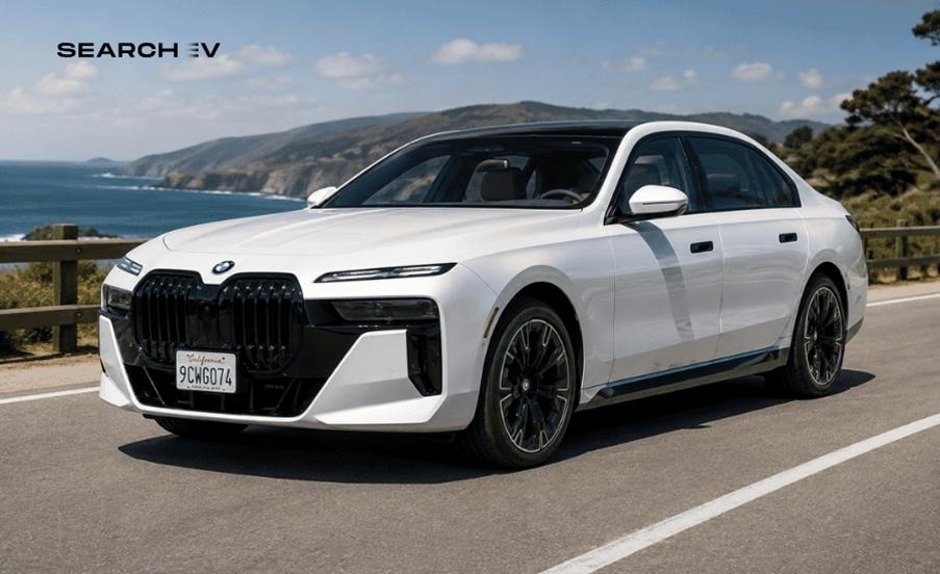
The BMW i7 is built around one central idea: being driven, not driving. Its cabin is engineered for the rear seats first, with an extensive entertainment package and executive-level comfort that competes directly with the Mercedes EQS on outright limousine credentials. It’s sold in a well-equipped range with pricing climbing toward the top trim.
| Battery | Range | Power | Speed (0-100 kph) | Charging | Price |
| 101.7 kWh | 560 – 625 km (WLTP) | 485 kW | 3.7 sec | 195 kW DC (10-80% in ~34 min); ~5.5 hrs on AC home charger | Rs 1.95 – 2.65 Cr |
9. Mercedes-AMG EQS — Rs 2.45 Crore
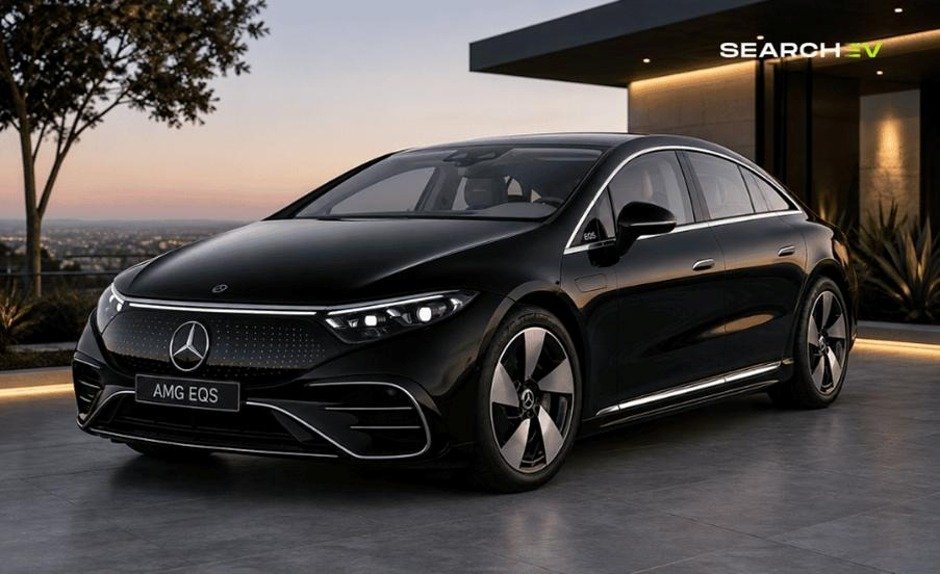
The AMG EQS 53 4Matic+ is the performance flagship of Mercedes’ entire electric line-up, and the numbers show it — this is a car that can out-accelerate most petrol sports cars while still carrying full EQS-level cabin comfort. It’s sold in a single, fully-loaded AMG-spec variant, positioned as the ultimate expression of what an electric Mercedes can be.
| Battery | Range | Power | Speed (0-100 kph) | Charging | Price |
| 107.8 kWh | 526 – 586 km (WLTP) | 560 kW | 3.4 sec | 200 kW DC (10-80% in ~30 min) | Rs 2.45 Cr |
A quick pattern worth noting: price and range don’t move in a straight line here. The Mercedes EQS actually claims a longer range than several cars costing a crore more because it’s tuned purely for efficiency rather than outright performance. Keep that in mind — the most expensive car on this list isn’t automatically the one that’ll go the farthest on a charge.
Also Read
EV Cars Under 12 Lakhs in India
Best Affordable Electric Sedan in India
For buyers who want an EV without stretching into the Rs 40 lakh-plus bracket, the choice on the sedan side is really just one car right now.
Tata Tigor EV
The Tigor EV has served as a fleet operator’s and first-time EV buyers’ go-to option since 2021, largely because there’s been no direct rival at its price point. Its 26 kWh battery and 315 km ARAI range won’t excite anyone chasing highway numbers, but for city commuting, school runs, and short daily distances, it’s a genuinely low-cost way to go electric. It also carries a 4-star Global NCAP rating, which is a reasonable safety bar for this segment.
| Car | Price | Battery | Real-World Range | Best For |
| Tata Tigor EV | Rs 12.49 – 13.75 lakh | 26 kWh | 220 – 260 km | City commuting, fleet use, first EV |
Best Mid-Range Electric Sedan in India
Once you cross into the Rs 40-65 lakh bracket, two very different philosophies compete for your money: the BYD Seal’s value-for-performance approach versus the Mercedes CLA Electric’s badge and efficiency-first engineering.
BYD Seal
The Seal is, quite simply, more car for less money. Its entry-level Dynamic variant undercuts the CLA Electric’s base trim by roughly Rs 14 lakh, and the range-topping 395 kW Performance AWD variant actually costs less than the CLA Electric’s entry trim. If outright value and performance-per-rupee matter most, the Seal wins comfortably.
Mercedes-Benz CLA Electric
The CLA Electric counters with badge value, a more sophisticated 2-speed gearbox for better efficiency, and a considerably longer claimed WLTP range — up to 792 km on the top variant versus the Seal’s real-world figures in the 500-650 km range. It also supports faster 240 kW-plus DC charging. If you want the three-pointed star and don’t mind paying a premium for it, this is the pick.
| Car | Price | Battery | Power | Claimed Range |
| BYD Seal | Rs 41.50 – 53.65 L | 61.44 / 82.56 kWh | 152 – 395 kW | Up to ~650 km |
| Mercedes CLA Electric | Rs 55.60 – 64 L | 58 / 85.5 kWh | 200 – 250 kW | 542 – 792 km (WLTP) |
Best Performance Electric Sedan in India
If straight-line speed and driving engagement matter more to you than outright range or rear-seat luxury, two cars on this list are built specifically for that brief.
Porsche Taycan
The Taycan remains the benchmark for a genuinely sporty EV in India. Its 800V architecture, unique 2-speed rear-axle transmission, and up to 650 kW on the top Turbo variants make it capable of repeated hard launches without the thermal drop-off that plagues many performance EVs. It’s engineered to feel like a sports car that happens to be electric, not the other way around.
Best Luxury Electric Sedan in India
At the top end of this list sit five cars built around one core idea: rear-seat comfort, cabin technology, and brand prestige, with performance as a secondary consideration (barring the AMG).
BMW i5
The i5 positions itself as the practical middle ground in BMW’s electric sedan range — more spacious and comfort-focused than the i4, without stepping fully into i7 chauffeur territory. It’s aimed at buyers who want an executive sedan experience without the full flagship price tag.
BMW i7
The i7 is BMW’s answer to being driven rather than driving. Its cabin prioritises rear passenger comfort with an extensive entertainment package, and it competes directly with the Mercedes EQS and Audi’s electric flagships on outright limousine credentials.
Lexus ES 500e
The ES 500e brings a quieter, more understated take on luxury EVs, backed by Lexus’s reputation for build quality and reliability. It’s less about outright range or performance numbers and more about serene, low-drama daily comfort.
Mercedes-Benz EQS
The EQS remains the efficiency benchmark of this entire list, with its 857km ARAI-claimed range comfortably beating cars costing a crore more. Its cabin technology, silence, and ride quality carry over the S-Class’s traditional strengths into a dedicated EV platform.
Mercedes-AMG EQS
The AMG EQS sits at the very top of the performance-luxury crossover — a car that can outrun most sports cars in a straight line while still offering EQS-level cabin comfort. At Rs 2.45 crore, it’s the most expensive sedan on this list, and arguably the most complete one for buyers who want both worlds.
| Car | Price | Battery | Claimed Range | Power |
| BMW i5 | Rs 1.19 Cr onwards | 81.2 kWh | ~516 km | 442 kW |
| Mercedes EQS 580 | Rs 1.30 Cr onwards | 107.8 kWh | 857 km (ARAI) | 390 kW |
| BMW i7 | Rs 1.95 – 2.65 Cr | 101.7 kWh | 560 – 625 km | 485 kW |
| Lexus ES 500e | Rs 89.99 L | 74.68 kWh | ~580 km | 252 kW |
| Mercedes-AMG EQS | Rs 2.45 Cr | 107.8 kWh | 526 – 586 km | 560 kW |
Upcoming Electric Sedan Cars in India
The current line-up is about to get a lot more interesting. Here’s what’s confirmed or expected to arrive over the next year or two.
Tesla Model 3
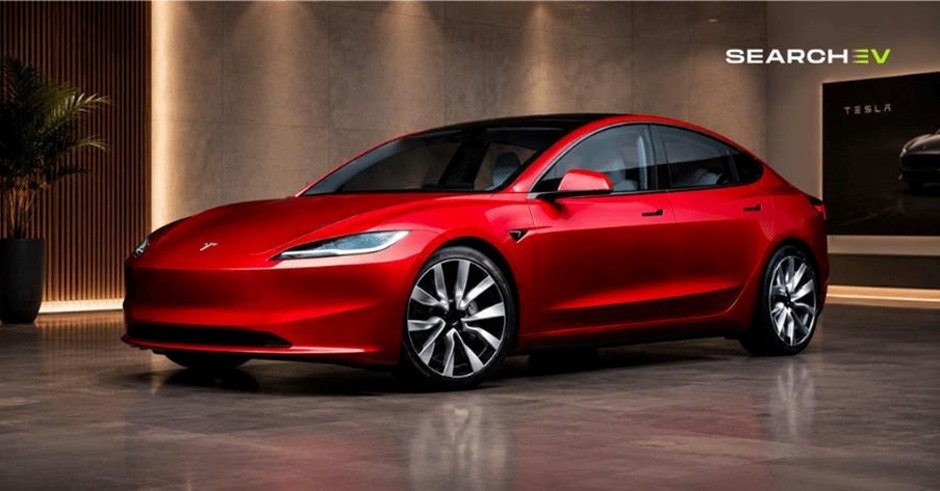
Tesla’s entry-level sedan is expected to launch in India sometime in late 2026 or early 2027, following the Model Y’s earlier debut. Reports suggest a starting price in the Rs 55-70 lakh range, with a global-spec battery pack around 75kWh and an expected range between 450 km and 629 km depending on the variant. It would directly rival the BMW i4 and BYD Seal on price.
Hyundai Ioniq 6
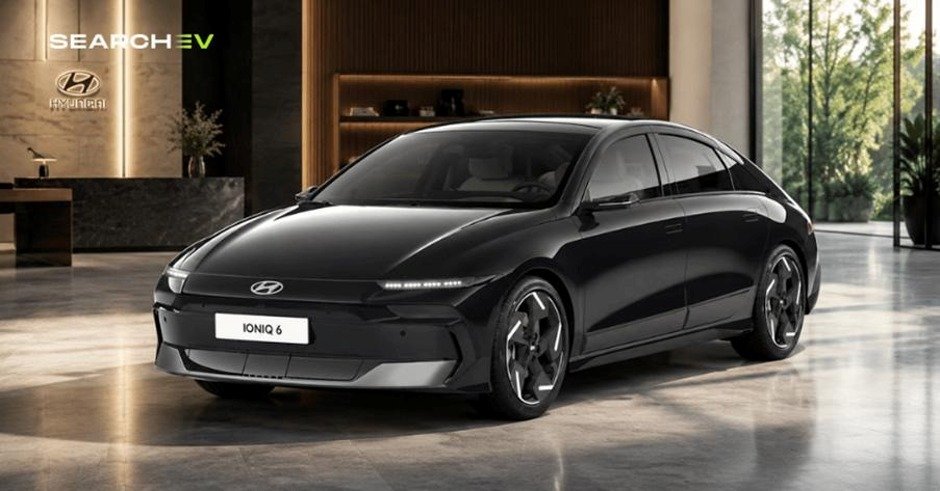
Hyundai’s aerodynamic ‘Electrified Streamliner’ sedan has been showcased in India since the 2023 Auto Expo and is expected to finally launch in late 2026. It’s likely to come with a single 77.4 kWh battery option producing a WLTP-claimed range of over 610 km, with an expected price between Rs 55 lakh and Rs 65 lakh.
MG IM5 / IM6
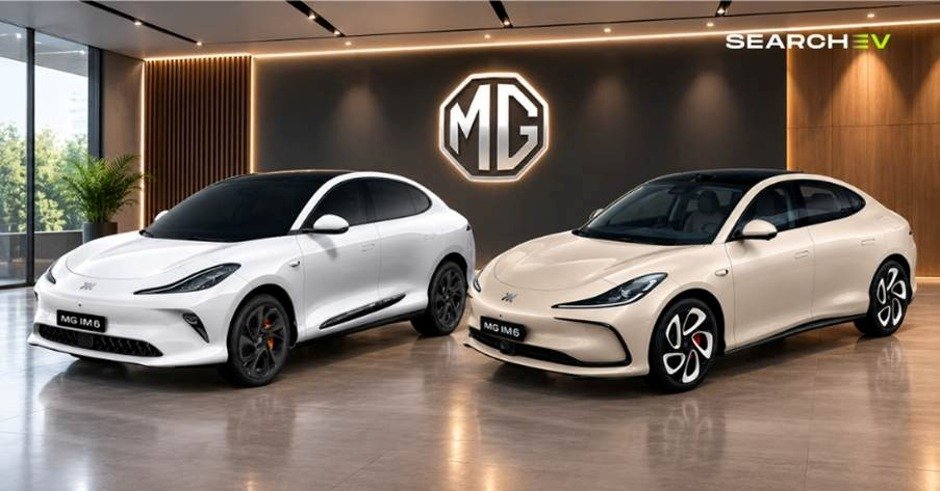
MG’s premium ‘IM’ sub-brand is bringing two electric models to India. The IM5 is the true sedan of the pairwith battery options up to 100 kWh and a claimed range that could stretch past 700 km, expected to be priced from Rs 55-65 lakh, though its India timeline has slipped toward 2027-28. The IM6, meanwhile, is technically an SUV-coupe rather than a sedan, expected to cost around Rs 60-70 lakh with a claimed 625 km range, and is currently on a faster track for an India launch around August 2026.
Mercedes-Benz C-Class Electric
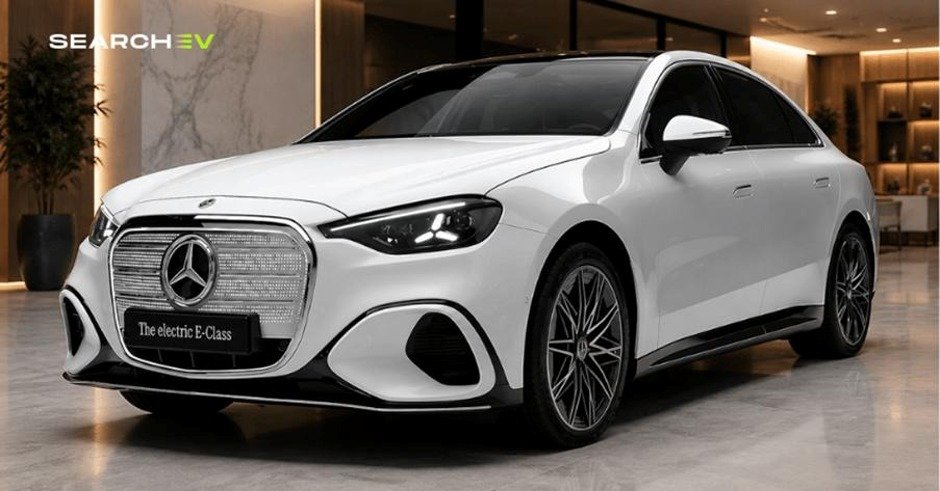
Mercedes has globally unveiled the all-electric C-Class, built on a dedicated EV platform with a 94 kWh battery and a WLTP-claimed range of up to 762 km. An India launch date hasn’t been officially confirmed yet, but expectations point to a price between Rs 80 lakh and Rs 95 lakh whenever it arrives.
| Car | Expected Price | Expected Range | Expected Timeline |
| Tesla Model 3 | Rs 55 – 70 L | 450 – 629 km (expected) | Late 2026 / Early 2027 |
| Hyundai Ioniq 6 | Rs 55 – 65 L | 610+ km (WLTP) | Late 2026 |
| MG IM5 | Rs 55 – 65 L | 700+ km (claimed) | 2027 – 2028 |
| MG IM6 (SUV-coupe) | Rs 60 – 70 L | 625 km (claimed) | ~August 2026 |
| Mercedes C-Class Electric | Rs 80 – 95 L | 762 km (WLTP) | Not yet confirmed |
Electric Sedan vs Electric SUV: Which Should You Buy
| Factor | Electric Sedan | Electric SUV |
| Range efficiency | Better, due to lower drag | Lower, due to larger frontal area |
| Ride height & visibility | Lower, sportier stance | Higher, commanding view |
| Cabin & boot space | Adequate for most buyers | Generally more versatile |
| Driving dynamics | Lower centre of gravity, more engaging | More body roll, but more stable in rough terrain |
| Resale & market choice | Fewer options in India currently | Far wider choice across price points |
Things to Check Before Buying an Electric Sedan in India
- Charging access: Confirm your home or society allows a wall charger installation, and check the public DC fast-charging network along your usual routes.
- Service network: Imported luxury EVs, especially the BMW, Porsche, and Mercedes models here, have a smaller service footprint than mass-market brands — check your city’s coverage before committing.
- Real-world vs claimed range: ARAI and WLTP figures are useful for comparison but almost always overstate real-world range — budget 15-25% lower for Indian traffic and AC use.
- Resale value: EV resale in India is still an evolving market; imported luxury sedans in particular can depreciate faster than their petrol equivalents.
- Import duty exposure: Fully imported (CBU) models are sensitive to changes in import duty policy, which can shift pricing after you’ve already been eyeing a car for months.
Verdict: Which Electric Sedan Should You Buy?
There’s no single ‘best’ electric sedan in India — it genuinely depends on your budget and what you’re optimising for. If you just want an affordable, low-maintenance way into EV ownership, the Tata Tigor EV remains the only real option under Rs 15 lakh. If you want the most car for your money in the Rs 40-65 lakh bracket, the BYD Seal is hard to beat on specs alone, though the Mercedes CLA Electric earns its premium through badge value and genuine efficiency gains.
For driving enthusiasts, the Porsche Taycan and BMW i4 both deliver something most EVs don’t: genuine engagement behind the wheel, at two very different price points. And if outright luxury and rear-seat comfort are the priority, the Mercedes EQS quietly outperforms cars costing far more, while the AMG EQS asks whether you’d rather have both worlds — luxury and blistering performance — in one car.
My honest take: for most Indian buyers in the market for an electric sedan, the BYD Seal currently offers the strongest overall package — performance, range, and pricing that few rivals can match. But if brand trust and long-term service peace of mind matter more to you than outright specs, the Mercedes CLA Electric or Lexus ES 500e are the safer, more conventional choices.
Frequently Asked Questions
- What is the cheapest electric sedan car in India?
The Tata Tigor EV is the most affordable electric sedan in India, priced from Rs 12.49 lakh (ex-showroom).
- Which is the best electric sedan under Rs 50 lakh in India?
The BYD Seal is currently the strongest option under Rs 50 lakh, offering a bigger battery, more power, and a lower starting price than most rivals in its class.
- What is the most expensive electric sedan in India?
The Mercedes-AMG EQS is the most expensive electric sedan currently on sale in India, priced at Rs 2.45 crore (ex-showroom).
- Is an electric sedan better than an electric SUV in India?
Neither is universally better — electric sedans generally offer better range efficiency and driving dynamics, while electric SUVs offer more ground clearance, cabin space, and a wider choice of models.
- When will the Tesla Model 3 launch in India?
The Tesla Model 3 is expected to launch in India sometime in late 2026 or early 2027, with an anticipated starting price between Rs 55 lakh and Rs 70 lakh.
- Which electric sedan has the longest range in India?
Among current models, the Mercedes-Benz EQS 580 offers the longest claimed range at 857km (ARAI), though real-world range typically settles between 650-700km.