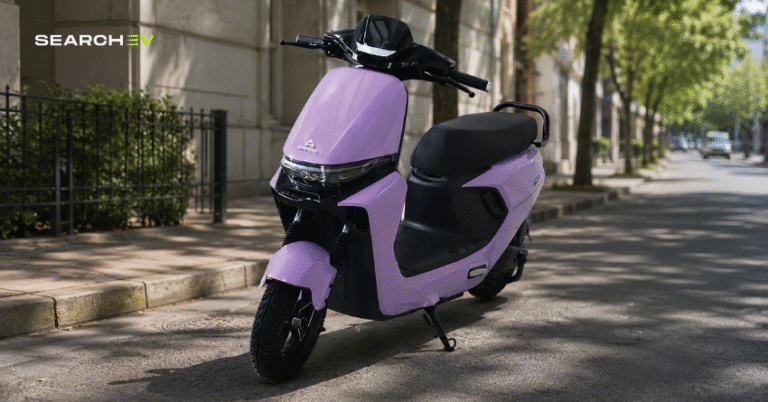
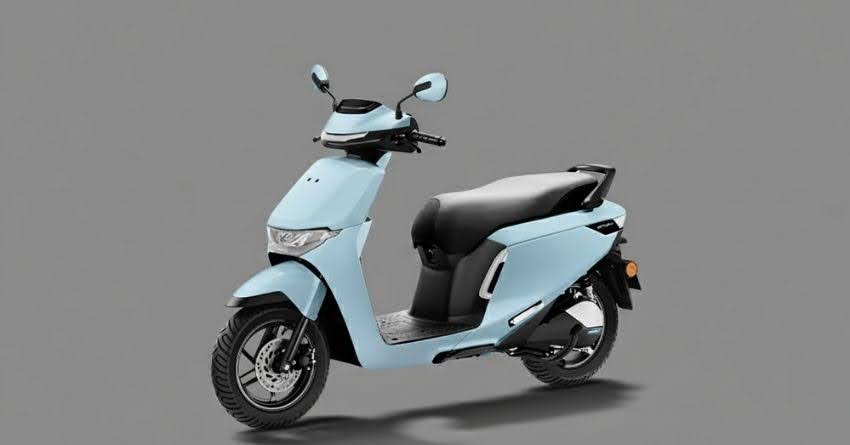
Honda Activa Electric, launched earlier this year in India at an ex-showroom price of Rs 1.17 lakh, has seen its production temporarily halted due to zero sales in recent months. According to SIAM data, the company has not manufactured a single unit of the Activa e since August 2025. Alongside it, production of the Honda QC1 has also been stopped owing to unsold inventory.
Inventory Remains Unsold
The sales figure speaks a lot about the difficulties that the e-scooters would face. From February to July 2025, the company produced 11,168 units of the Activa e and QC1. However, within six months, it sold only 5,201 units. With over 50% of the production stock yet to be sold, the company is under a lot of stress regarding the inventory level, which is the main reason for deciding to halt production.
Swapping Technology Challenge
The Activa Electric was the first scooter to feature a major technological innovation, a battery that could be easily detached, and was marketed through a battery swapping policy in its launch cities, like Delhi, Mumbai, and Bengaluru. Even when Honda incorporated measures to increase sales, such as low rental rates and considering home chargers, the scooter still struggled to gain popularity. The Indian consumer is inclined towards uncomplicated charging options rather than battery swapping technology like the one offered by Honda.
Fixed Battery Wins
The Honda QC1 is installed with a fixed battery pack, and it can facilitate in-house charging, but its sales figures were ridiculously higher than those of the Activa e. To be precise, out of the 5,201 units sold, the QC1 managed to steal 4,461 units. According to the dealers, only 740 units of the Activa Electric reached them. This shows that Indian consumers found a lower price and the convenience of a fixed, portable-charged battery appealing.
Future Infrastructure Push
Currently, Honda is the only old two-wheeler in India that has reportedly shifted gears toward battery swapping. However, looking at the current figures, it’s clear that merely building a large and well-distributed network of swapping stations won’t be enough to make battery swapping truly successful. Additionally, in the future, the company will be more proactive in expanding and improving the battery swapping network across the country for more electric options.