If you’ve just bought an electric vehicle, or you’re still deciding, one question probably keeps nagging at you: will the battery die on me in a few years? It’s a fair worry, the battery is the most expensive part of the car. The good news is that with a few sensible habits, most EV batteries are built to comfortably outlast the vehicle around them.
The short version: keep your daily charge between 20% and 80%, save 100% for road trips, lean on slow AC charging at home, avoid baking the pack in direct heat, and don’t leave it parked at full or empty for weeks at a stretch. Here’s why each of those matters, and what changes if you’re driving in Indian heat.
How a battery actually ages
Lithium-ion packs degrade in two ways. Cycle aging comes from use, every charge and discharge cycle puts the cells through expansion and stress. Calendar aging happens even when the car is parked and doing nothing, just from the chemistry inside slowly reacting over time, sped up by heat and by sitting at very high or very low charge. We’ve gone deeper into the specific causes behind faster-than-normal degradation if you want the full picture, but the short story is: heat and extremes are the real enemies, not age or mileage by themselves.
Charging habits that actually matter
Lithium-ion cells are least stressed in the middle of their charge range. Most EVs let you set a charge limit in the app or dashboard, use it, and set it to 80% for everyday driving. We’ve answered the 100% charging question in detail here if you want the nuance, but the short answer is that an occasional full charge before a trip is fine; doing it every single night isn’t ideal.
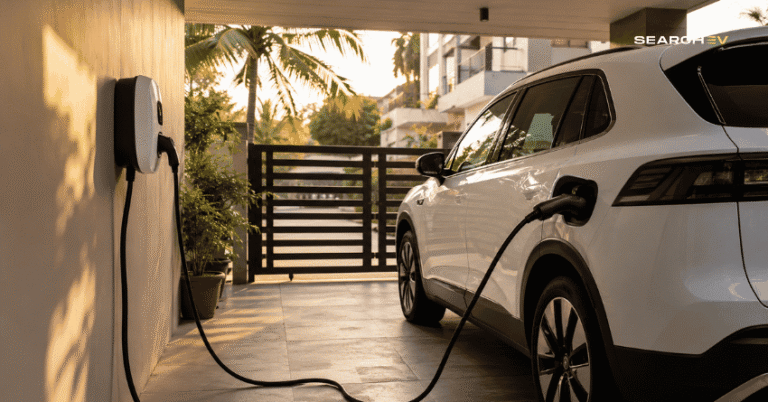
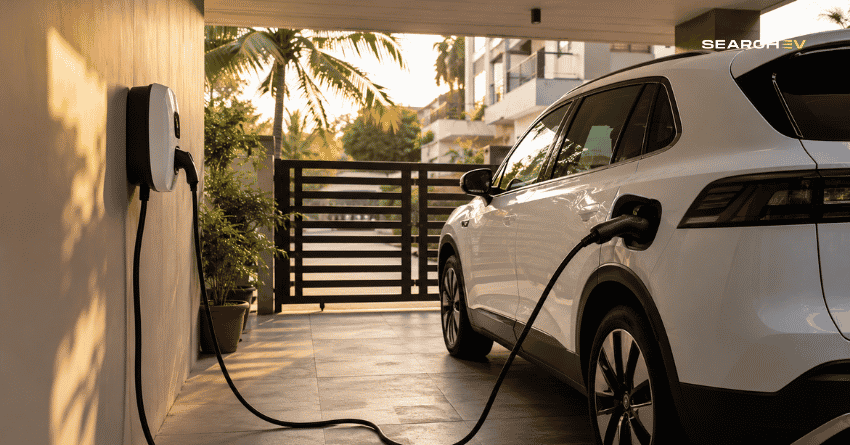
Charging speed matters too. DC fast charging pushes a lot of energy in quickly, which generates heat, and heat is what actually causes lasting wear. Occasional fast charging on a road trip won’t hurt you. The problem is when it becomes the daily habit instead of the occasional one. If you’ve got the choice, lean on a proper home charging setup for daily top-ups and read our fast charging vs slow charging comparison for a clearer sense of when each makes sense. One more thing nobody mentions enough: don’t plug into a fast charger the moment you arrive somewhere right after a long highway stretch. The pack is already warm; give it 20–30 minutes to cool first if you can.
Heat is the real villain, especially in India
Cold weather mostly costs you range for that one drive, not long-term battery health. Heat is different, it accelerates the chemistry that causes permanent capacity loss, which matters a lot if you’re driving in Bengaluru, Chennai, Delhi, or anywhere that regularly crosses 35–40°C.
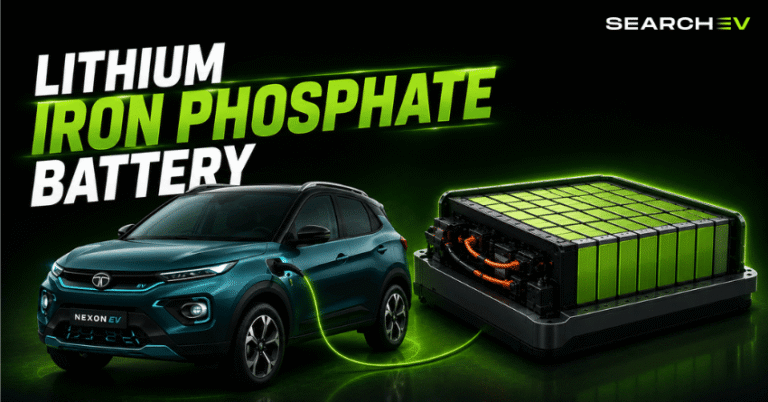
A few things that genuinely help here: park in shade or basement parking instead of direct sun, prefer AC (slow) charging during the hottest parts of the day, and if you must fast-charge, try mornings or evenings instead of early afternoon. Battery chemistry plays a role too, LFP batteries handle sustained heat noticeably better than NMC chemistry, which is part of why several budget Indian EVs lean toward LFP packs. And if you’re wondering whether your AC is the real range killer here, it’s worth a closer look, the answer usually surprises people. Monsoon brings its own set of concerns too, mostly around water exposure rather than heat, worth a separate read if you’re heading into the rains.
Storage and the boring stuff
Leaving the car parked for a couple of weeks or more? Don’t leave it at 100% or near empty, aim for somewhere around 40–60% and park it cool if you can. Separately, don’t forget the unglamorous bits: the small 12V battery that runs accessories can fail on its own and strand an otherwise healthy EV, the cooling loop needs periodic checks if your car uses liquid cooling, and skipping scheduled software updates or annual inspections can occasionally affect your warranty. None of this is exciting, but it’s cheap insurance.
A few myths worth retiring
“EV batteries die after five years, like a phone.” They don’t, EV packs use hundreds or thousands of individually managed cells with active cooling, nothing like a phone battery. “Fast charging will wreck your battery.” Occasional fast charging is fine; it’s daily fast charging that adds up. “If the battery degrades, you need a whole new pack.” Often not true, many real-world issues are module-level, not pack-wide, and asking specifically about module-level repair can save a lot of money.
Warranty and what replacement actually costs
Most manufacturers warranty EV batteries for around 8 years or roughly 1,00,000–1,60,000 km, guaranteeing the pack won’t drop below about 70% capacity in that window. In India, a full pack replacement on mainstream EVs typically runs a meaningful chunk of the car’s original price, but module-level repairs, when that’s actually the issue, cost far less. If you’re shopping used, our used EV buying guide covers exactly what to check on the battery before you sign anything. There’s also a growing model worth knowing about: Battery-as-a-Service, where you don’t own the pack outright, which sidesteps the replacement-cost worry entirely for some buyers.
Quick checklist
- Charge to 80% daily; save 100% for trips
- Prefer home AC charging over daily fast charging
- Park in shade, especially in summer
- Don’t store at full or empty for weeks
- Get the 12V battery and coolant system checked at service
- Install software updates when they arrive
The bottom line
Treat your EV battery like a good mattress, it isn’t delicate, but it has a few things it really doesn’t like. Keep it mostly between 20–80%, keep it out of direct heat, don’t fast-charge it daily, and don’t leave it sitting full or empty for weeks. Do that, and you’ll likely retire the car before the battery ever gives you trouble.