The Indian electric car segment continues to show strong growth as complete half of October 2026. The registration figures for the first half of the month show that a total of 14,640 electric cars have been registered to customers nationwide. While the numbers are less than that of September as of now, with several major holidays clustered in the latter half of the month, we project a massive surge in deliveries that could potentially outpace the 37,780 total units recorded in September.
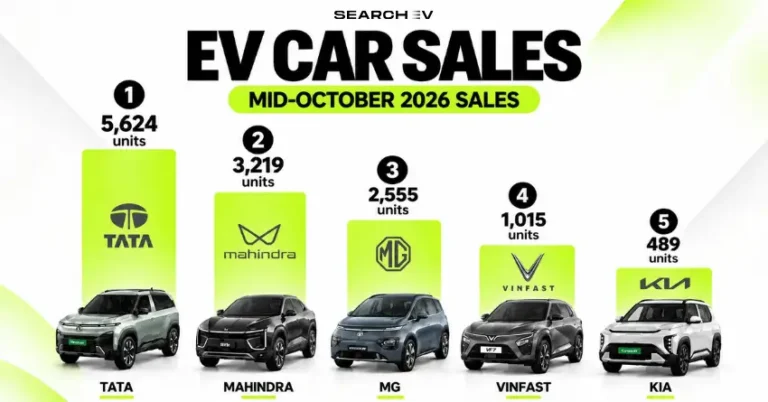
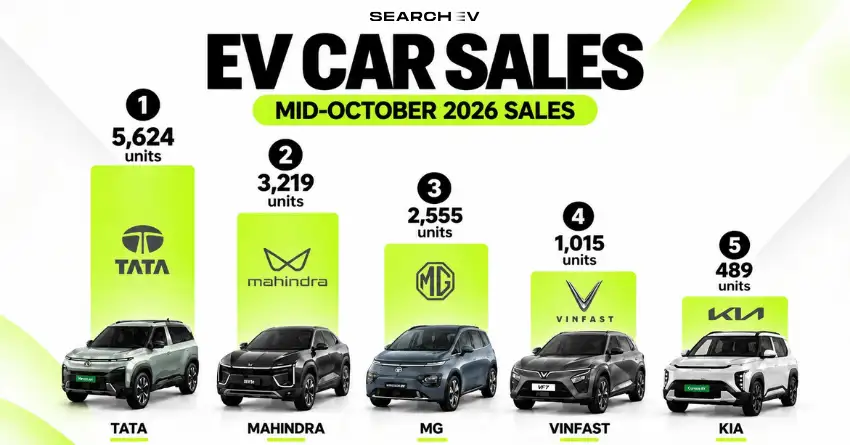
| Rank | Manufacturer | Mid-October Registrations | September Registrations | Mid-October as % of September |
| 1 | Tata Motors | 5,624 | 15,358 | 36.60% |
| 2 | Mahindra | 3,383 | 8,060 | 41.97% |
| 3 | JSW MG Motor | 2,555 | 5,425 | 47.10% |
| 4 | VinFast | 1,015 | 3,292 | 30.80% |
| 5 | Kia | 489 | 1,402 | 34.90% |
| 6 | Maruti Suzuki | 382 | 1,147 | 33.30% |
| 7 | Hyundai Motor | 323 | 826 | 39.10% |
| 8 | BYD | 317 | 873 | 36.30% |
| 9 | BMW | 207 | 529 | 39.10% |
| 10 | Tesla | 140 | 299 | 46.80% |
A Slower Fortnight Before the Festive Rush
Electric car registrations from all listed manufacturers stood at over 14,000 units by mid-October, according to Vahan data. September closed at over 37,000 units. The first half of October has covered about 39% of that volume.
Historically, the second half of October witnesses the highest concentration of retail deliveries. Pitru Paksha, a period many families avoid for big purchases, ended on 10 October, and Navratri began on the 11th. A good part of the window therefore fell before buyers were ready to take delivery.
Customers often book vehicles weeks in advance but schedule the actual physical delivery during auspicious festive days. Consequently, the 14,640 units registered so far represent only a fraction of the expected monthly total. Automakers are currently heavily relying on localised supply chains to ensure immediate availability for walk in customers.
Tata Motors Leads, but Mahindra and MG Together Have Caught Up
Tata Electric Cars, now Tata.ev has quickly established dominance in the first two weeks of October. The brand registered 5,624 cars, capturing a massive 38.4 per cent share of the current monthly volume, while it has reached 36.6 per cent of its September volume, which is the lowest ratio among the three biggest sellers. Mahindra and MG together registered 5,774 cars, which puts the pair ahead of Tata for the first time since June. They trailed it through July, August and September.
Tata’s position rests on breadth more than on any single car. The Nexon EV was the model that made an electric car a realistic purchase for many Indian families. The range now runs from the Tiago EV hatchback and the Punch EV micro SUV at the lower end up to the Curvv EV, the Sierra EV and the Harrier EV, which cost over Rs 20 lakh. Tata has also extended its Battery as a Service plan to the Nexon, Curvv, Sierra and Harrier EVs. Under it, the buyer pays for the car without the battery and rents the battery by the kilometre. Cumulative registrations from January to mid-October stand at over 1 lakh.
MG Narrows the Gap to Mahindra in the Race for Second
Mahindra registered 3,383 cars, and JSW MG Motor 2,555. The gap now sits at only 828 units. MG’s share of the market has moved up to 17.5 per cent from 14.4 per cent, while Mahindra’s has gone up to about 23 per cent.
The rivalry is older than Mahindra’s current lead suggests. MG was ahead in January and February. Mahindra edged past in March by just a few units and then built a gap that peaked in September.
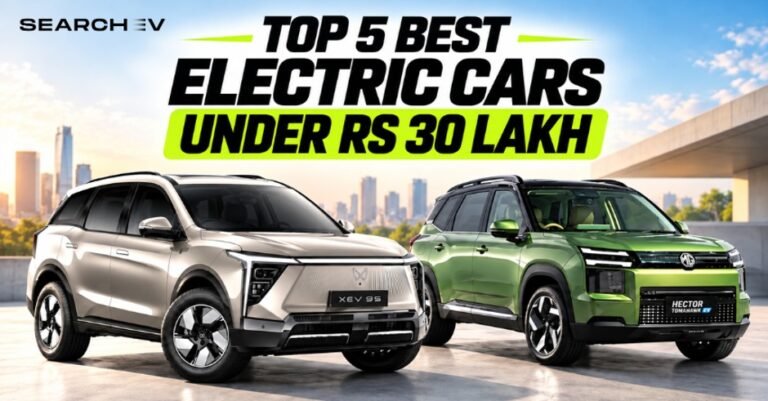
Mahindra’s sales come from cars on its INGLO platform, which was designed for electric mobility from the start. The BE 6 and XEV 9e arrived in late 2024, and the seven-seat Mahindra XEV 9S followed. The XEV 9S is offered with 59, 70 and 79 kWh battery packs. Also, the Mahindra XEV 9S just got a new variant, which is offered in a 2+2+2 configuration, with captain seats in the middle row. So, expect the sales to go up further in the near future.
MG’s volume rests on the Windsor, a crossover known for a roomy, reclining rear seat. It uses a 38 kWh battery with a claimed ARAI range of about 331 km, and MG was among the first to bring battery rental to the mass market. The two-door Comet sits below it as a small city car.
Mahindra Electric Automobile secured the second spot with 3,219 registrations so far this month. By capturing 22 per cent of the mid-October market, the brand proves that its born electric SUVs are sustaining strong demand. They are well on track to challenge their complete September tally of 7,664 units.
VinFast Holds Fourth as the Maruti Family Sits Close to Kia
The Vietnamese newcomer VinFast Auto India registered 1,015 units by mid October. Having achieved 3,292 total sales last month, the brand is maintaining a steady delivery rate.
Kia’s 489 registrations keep it fifth. The brand rose 64.6 per cent in September to 1,402, a jump that lines up with the Syros EV, a compact SUV launched in July. It comes with 42 and 51.4 kWh batteries and claimed ARAI ranges of 443 and 526 km.
Maruti Suzuki registered 382, ahead of Hyundai Motor at 323 and BYD at 317. Hyundai moved past BYD by six units. The e-Vitara, Maruti’s first electric car, has seen registrations fall every month since June, from 2,009 to 1,147 in September. Toyota’s Urban Cruiser Ebella is essentially a rebadged e-Vitara, and it registered 95 cars in the period after 221 in September.
Luxury Makers Hold Steady While Tesla Keeps Pace
Five luxury brands, BMW, Tesla, Mercedes-Benz, Volvo and Porsche, registered 403 cars between them. BMW leads the group with 207, which is 39.1 per cent of its September figure of 529.
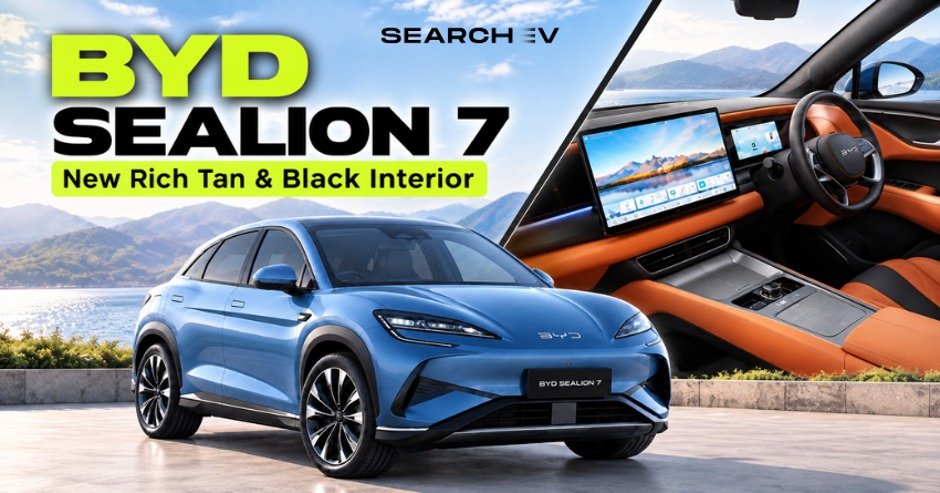
Tesla’s 140 is the more telling figure. It equals 46.8 per cent of the 299 registered in September. September was already a big step up from 118 in August. Tesla sells the Model Y Premium RWD and the six-seat Model Y L in India. BYD registered 317 cars in the fortnight, and its Sealion 7 Festive Edition, priced at Rs 50.60 lakh and limited to 150 units, is among its recent offers.