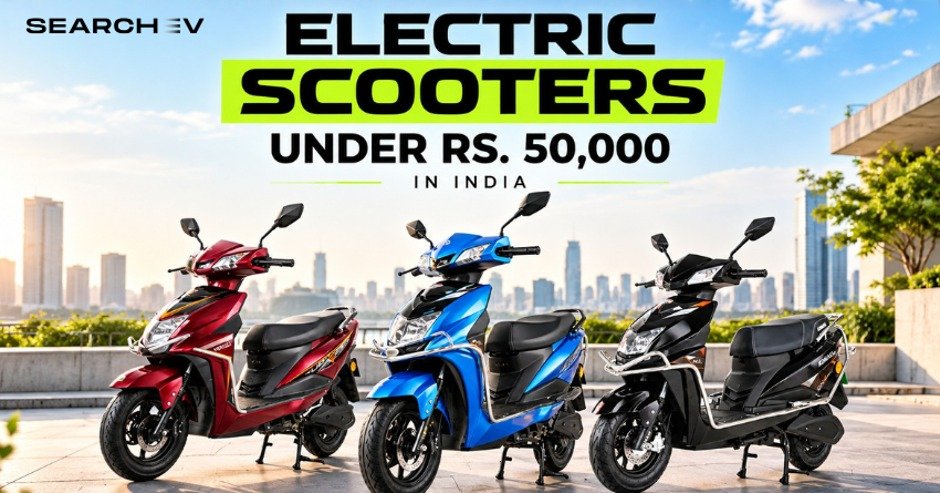
Fifty thousand rupees. That’s the magic number everyone searches for when they want an electric scooter without touching their savings. And honestly, there are real options at this price, not just knockoffs with fancy names. Whether you’re looking for the best electric scooter under 50000 for a daily short commute or simply the cheapest electric scooter in India right now, this list covers it.
But here’s what most listing pages won’t tell you upfront. Almost every scooter under Rs. 50,000 in India is what’s called a “low-speed” electric scooter, capped at 25 km/h. That’s not a flaw hidden in the fine print, it’s actually the single biggest thing that makes these scooters worth considering. We’ll get to why in a bit.
We checked prices and range figures against each brand’s own website wherever one exists, not just aggregator listings, so what you’re reading here is as accurate as it gets.
Quick Answer: What Rs. 50,000 Actually Buys You
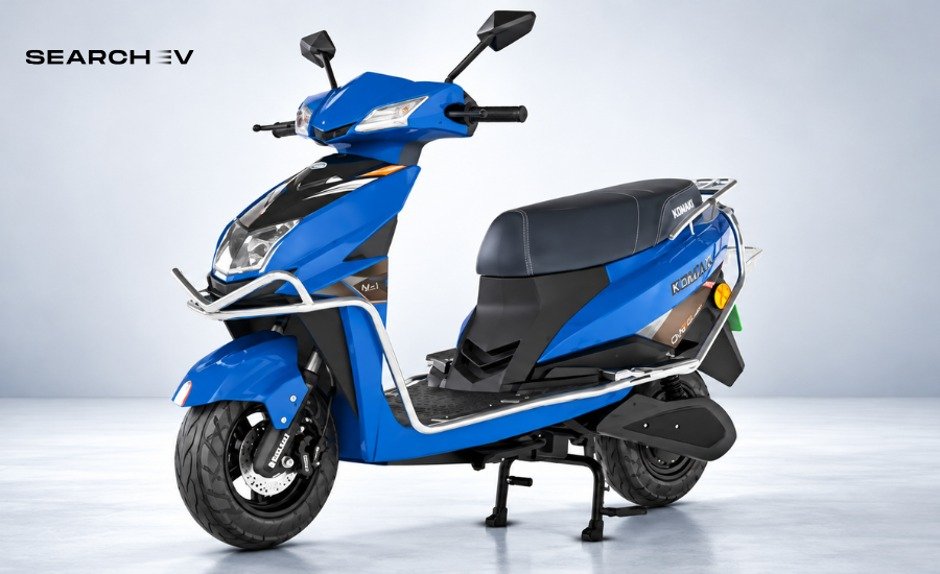
- Cheapest: Komaki X One (Graphene) — Rs. 36,499, 60+ km range
- Best value: Yakuza Rubie — Rs. 38,080, license-free, no RTO registration needed
- Longest range under Rs. 50k: Komaki X One (Lithium 1.5) — Rs. 44,499, claimed 70+ km
- Most transparent brand: Yakuza, whose own site quotes lower, more honest range figures than most listing sites show
Full Comparison Table (Cross-Checked With Official Sources)
| Scooter | Price (Ex-showroom) | Battery | Claimed Range | Top Speed | Charging Time | License Needed? |
| Komaki X One (Graphene) | Rs. 36,499 | Graphene | 60+ km | 25 kmph | 3-4 hr | No |
| Komaki X One (Lithium 1.5) | Rs. 44,499 | LiFePO4 | Up to 70+ km | 25 kmph | 3-4 hours | No |
| Yakuza Rubie | Rs. 38,080 | 48V Lead-acid | 40-45 km | 25 kmph | 8-10 hours | No |
| Yakuza Neu | Rs. 39,760 | 48V Lead-acid | 40-45 km (per Yakuza’s own site) | 25 kmph | 8-10 hours | No |
| Yakuza Viraj | Rs. 41,440 | 48V Lead-acid | 40-45 km | 25 kmph | 8-10 hours | No |
| Tunwal Mini Lithino | Rs. 46,990 | 32Ah Lead-acid | 50-55 km | 25 kmph | 7-8 hours | No |
| Komaki X One (Lithium 1.75 kWh / Prime) | Rs. 51,499 | 2.0 LiFePO4 | Up to 100+ km | 50-60 kmph | 3-4 hr | Yes |
The One Thing Every Comparison Site Skips: Electric Scooters Without a License
This is genuinely the most useful thing to understand before you buy in this price bracket, and it’s the part every competitor listing leaves out. If you’ve been searching for an electric scooter without license requirements, or a non-RTO scooter your teenager can legally ride, this is exactly the segment you want.
Under Indian motor vehicle rules, any electric two-wheeler with a motor power under 250W and a top speed capped at 25 km/h does not need registration, a number plate, or a driving license to ride. Most scooters under Rs. 50,000, including the Yakuza Rubie, Yakuza Neu, and the base Komaki X One variants, fall into exactly this category. Yakuza’s own website even markets this directly, calling its scooters “license-free, RTO-free.”
That single feature is why this price bracket exists at all. It’s not really competing with full-powered EVs like the Ather Rizta or Bajaj Chetak. It’s aimed at students, school-goers without a license yet, and short-distance city errands, not daily long commutes. In fact, if your budget is even tighter, most of the electric scooter under 40000 options on the market, including the Komaki X One’s entry variant and both budget Yakuza models, fall into this exact same license-free category.
Step up to the Komaki X One’s Prime or Ace variants, and you cross into 50-60 km/h territory, which does legally require a license and registration, just like any petrol scooter.
Why the Range Numbers Don’t Always Match
Here’s something we noticed while checking these scooters against their own brand sites. Yakuza’s official product page for the Neu states a real range of 40-45 km. Several listing sites show the same scooter at 55 km, and some older reviews even mention 85 km for a different Yakuza model entirely. That’s a meaningful gap, and it’s easy to see how a buyer could walk in expecting one number and get another.
Our advice: treat any range figure in this segment as a rough ceiling, not a guarantee. Battery quality control varies more at this price point than in the premium segment, and rider weight, road conditions, and how often you use full throttle all pull the real number down further.
Top 5 Scooters Under Rs. 50,000, Scored and Ranked
Here’s a quick-scan version. Each one gets a simple score out of 10 on the two things that actually matter at this price, value for money and real-world range, plus the one-line verdict you actually need.
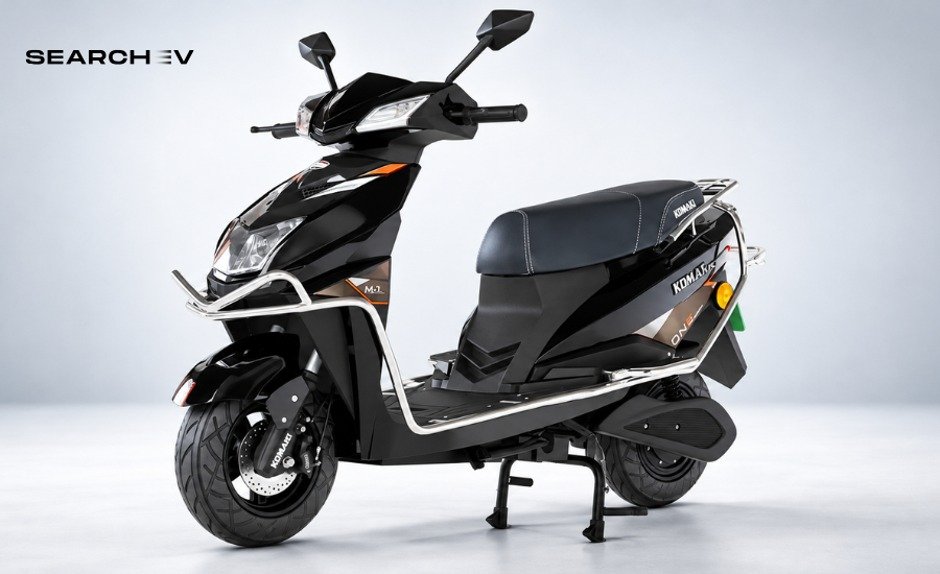
1.Komaki X One (Graphene) — Rs. 36,499
Value: 9/10 | Range: 5/10
Battery: Graphene | Range: 60+ km claimed
Quick verdict: the cheapest way into an electric scooter, full stop. At 60+ km claimed range and license-free riding, this is where most budget buyers should start looking. Basic, but it does the one job it’s built for.
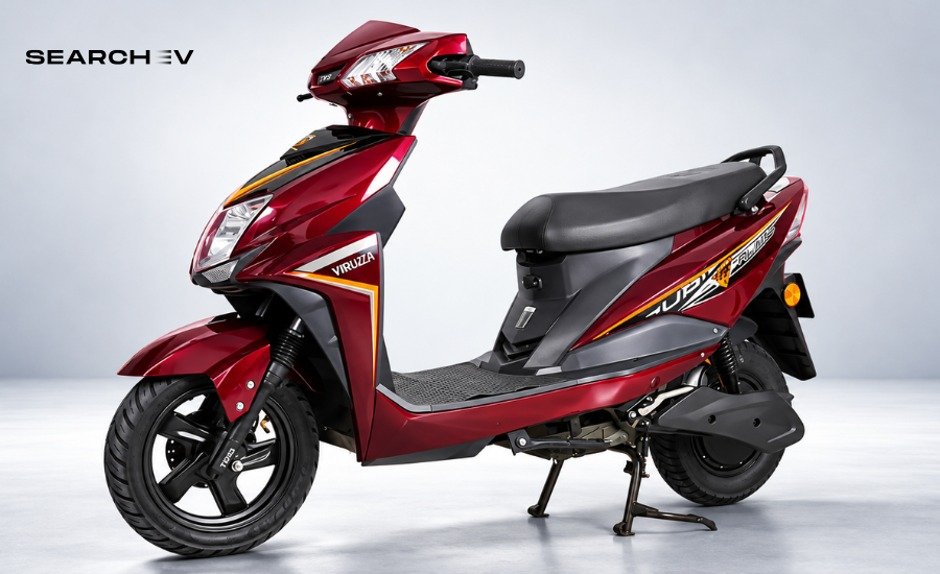
2. Yakuza Rubie — Rs. 38,080
Value: 8/10 | Range: 5/10
Battery: 48V Lead-acid | Range: 40-45 km depending on source
Quick verdict: solid pick if you want disc brakes without paying extra. Comes with a front disc brake, which is unusual at this price, plus no license or RTO hassle. Charging is slow though, 8-10 hours, so it’s not for anyone needing a same-day top-up.
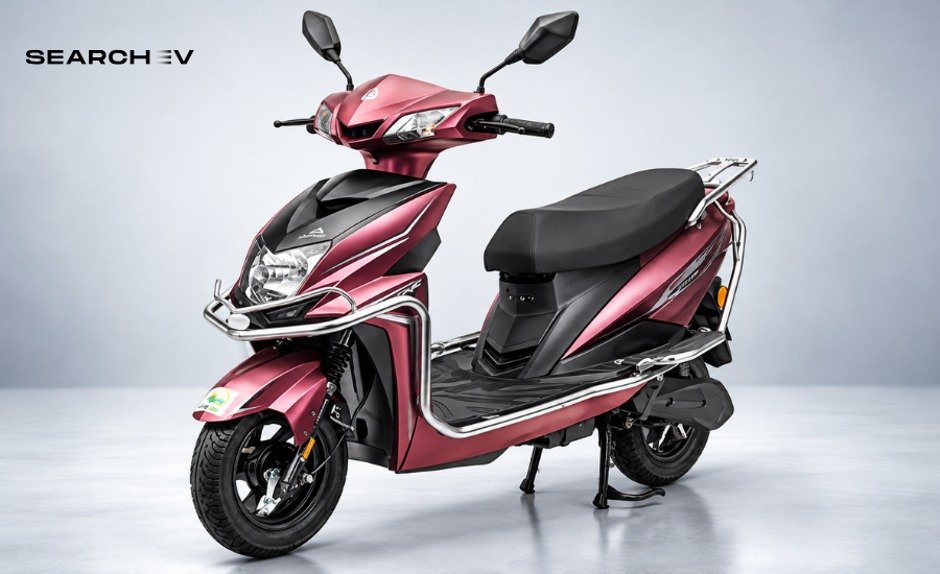
3.Tunwal Mini Lithino – Rs. 46,990
Value: 7/10 | Range: 6/10
Battery: 32Ah Lead-acid | Range: approx 50-55 km claimed
Quick take: A middle ground option with a bit more range than the cheaper options. Sits comfortably between the entry-level Komaki and Yakuza options, with a bit more range to show for the extra few thousand rupees.
 4.
4.
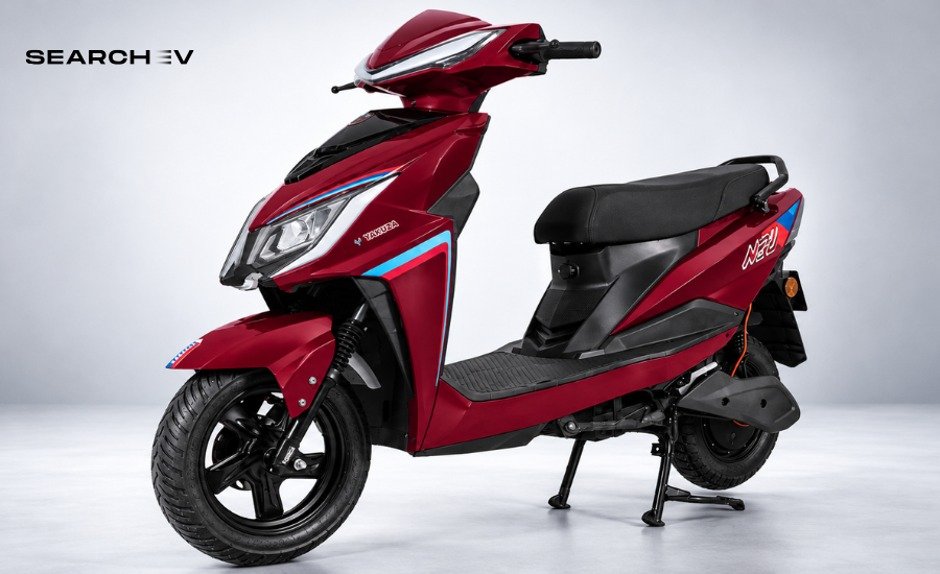
4.Yakuza Neu — Rs. 39,760
Value: 6/10 | Range: 4/10
Battery: capacity not officially disclosed | Range: 40-45 km (per Yakuza’s own site)
Quick verdict: honest about its limits, which is rare in this segment. Yakuza’s own website is upfront that this one does 40-45 km, not the inflated numbers some listings show elsewhere. Worth buying precisely because the brand isn’t overselling it.
5.Komaki X One (Lithium 1.75 kWh / Prime) — Rs. 51,499
Value: 7/10 | Range: 9/10
Battery: 2.0 LiFePO4 | Range: over 100 km claimed
Quick verdict: the only one here that can genuinely replace a petrol scooter. Claimed range crosses 100 km, but it also crosses the 25 km/h low-speed cap, so you will need a license and RTO registration for this variant, unlike the other four.
A quick note on the battery figures above: not every brand in this price bracket publishes exact battery capacity on its own website. Where a number isn’t officially confirmed, we’ve said so directly rather than guessing, so you know exactly how much to trust each spec.
Should You Actually Buy One?
Here’s the honest answer nobody selling these scooters wants to say out loud. At this price, you are trading battery quality, service network reach, and finish quality for a lower sticker price. Several owner reviews across these models flag charging times stretching beyond what’s advertised and inconsistent battery life after a year of use.
That doesn’t mean they’re a bad buy. For a student needing a way to get to college without a license, or a household wanting a second scooter for quick errands within a few kilometres, this segment makes complete sense. If you’re looking for a daily commute vehicle covering longer distances reliably for years, it’s worth stretching your budget toward the Rs. 80,000 to Rs. 1 lakh bracket instead, where brands like TVS and Bajaj offer stronger service backing.
What About Running Cost?
Even at this budget end, the electric advantage holds up. A scooter with a roughly 1-1.5 kWh battery costs somewhere around Rs. 8 to Rs. 12 to fully charge at typical home electricity rates. Compare that to a petrol scooter covering the same 40-60 km distance, which would cost ten times as much in fuel. Over a year of casual, short-distance use, that’s still a meaningful saving, even before accounting for the near-zero maintenance these simple motors need.
Final Word
If you’re buying for a student, a short daily commute, or a no-fuss second scooter at home, this segment genuinely delivers what it promises, especially once you factor in the license-free convenience most listing sites never mention. Just go in with realistic range expectations rather than the highest number you saw online, and you’ll likely walk away happy with the purchase.
Frequently Asked Questions
1.Do I need a license for an electric scooter under Rs. 50,000?
Most of them, no. Scooters like the Yakuza Rubie, Yakuza Neu, and base Komaki X One variants are capped at 25 km/h and under 250W motor power, which exempts them from needing a license or RTO registration under Indian rules. Higher speed variants like the Komaki X One Prime or Ace need both.
2.Which electric scooter under Rs 50,000 gives the best range?
The Komaki X One Lithium 1.5 variant at Rs. 44,499, has the highest range in this bracket at over 70 km.
3.Are electric scooters under Rs. 50,000 good for daily use?
Yes, mainly for short city trips and casual riding. That’s really what they’re built for. If you’re doing longer commutes month after month, though, owner reviews keep pointing the same direction, models above Rs. 80,000 hold up better on battery life and getting proper service when something goes wrong.
4.What is the cheapest electric scooter in India right now?
That’d be the Komaki X One, base Graphene variant, at Rs. 36,499. It’s about as affordable as it gets in the current market, and it still manages a claimed 60+ km on a charge.
5.How long does it take to charge these scooters?
Depends a lot on the brand and battery size, anywhere from 3 to 10 hours for a full charge. The Komaki X One is on the quicker side at 3-4 houRs. The Yakuza Rubie, on the other hand, needs a lot more patience, 8-10 hours before it’s ready to go again.
6.Which is the best electric scooter under 50000 for students?
Most people land on the Yakuza Rubie or the base Komaki X One for this. Both skip the license and RTO paperwork entirely, and both come in under Rs. 40,000, which matters if the rider isn’t 18 yet and can’t legally hold a license anyway.