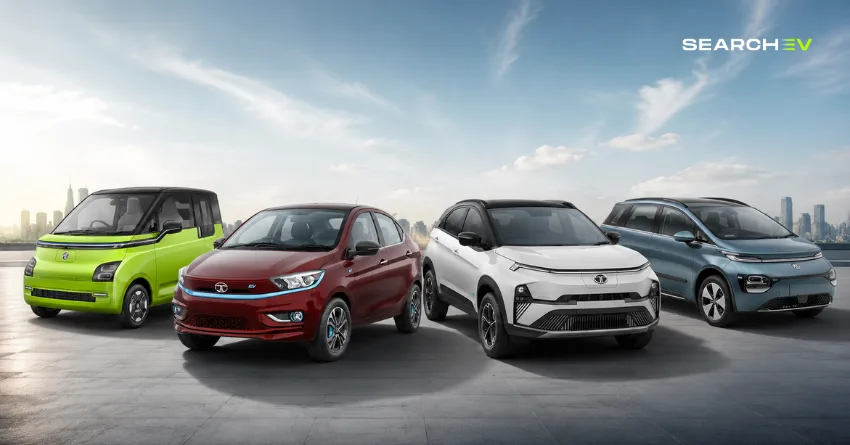
For most car buyers, the lucrative factor behind buying an electric vehicle is lower running costs. Instability around future government policies related to ICE vehicles alongside fluctuating prices also makes the proposition around electric cars much more future-proof. The challenge, however, has always been the upfront price.
Automakers have realised the entry cost barrier for mainstream EV adoption and are actively launching electric cars at lower price points, which makes owning an electric car much more feasible. In this guide, we compare the 7 most affordable electric cars in India based on their price, real-world range, features, and overall value proposition.
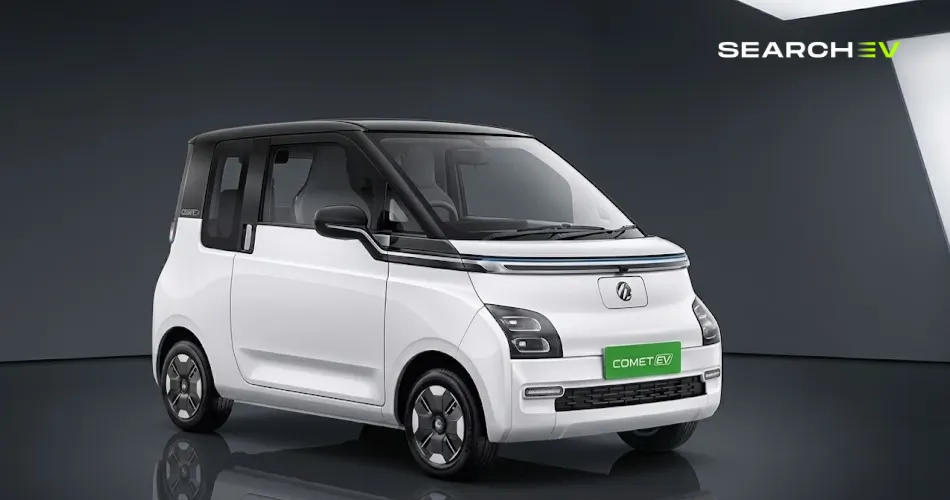
MG Comet EV Starts at Rs 7.62 Lakh
Best For
A secondary household vehicle or a primary runabout for urban professionals.
Why it makes sense
- Perfect for narrow city lanes and areas with a parking crunch
- 180-200 km of real-world range is right up with competition at the price
- Premium Cabin experience with attractive textures and fit-finish
- Twin 10.25-inch screens for digital instrument cluster and infotainment
- Sufficiently spacious for two adults at the front
Overview
With a two-door layout and a 4.2-metre turning radius, the Comet EV serves the problem of commuting and parking on congested city roads, which no other vehicle solves.
Stepping inside, the cabin feels surprisingly tech-forward despite its diminutive exterior. The two-door layout, tight rear headroom, stiff high-speed ride, and lack of DC fast charging mean it’s not built for family highway hauling, but the instant electric torque and microscopic turning radius make slicing through stop-and-go traffic an absolute breeze.
Specifications
| Feature | Details |
| Price | Rs 7.62 Lakh – Rs 9.99 Lakh |
| Real-world range | 180 – 200 km |
| Power | 31 kW (42 bhp) |
| Battery size | 17.3 kWh |
| Boot space | Negligible with rear seats in place |
| Charging time (AC) | 7 Hours (0-100% via 3.3kW AC charger); 2.5 hours (10-80% via 7.4kW AC charger) |
| DC Fast Charging | No |
Best Variant
The Excite trim (Rs 8.72 Lakh). By spending a bit over the bare-bones base model, you gain access to the twin-display setup, along with superior interior materials.
Tata Tiago EV Starts at Rs 7.99 Lakh
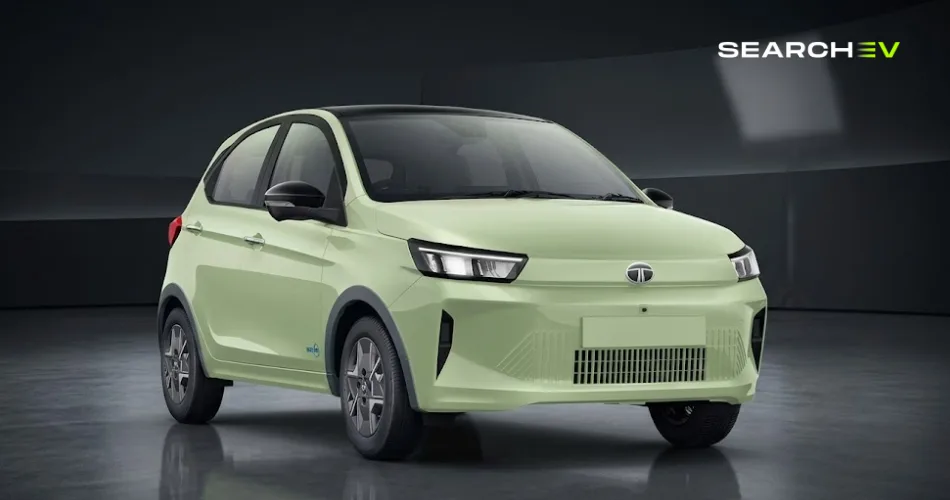
Best For: First-time electric vehicle buyers, nuclear families, buyers in tier 2 & 3 cities and budget-conscious commuters looking for familiar practicality.
Why it makes sense
- Offers standard hatchback practicality with four doors and usable boot space.
- 4-star Global NCAP-rated platform
- Respectable Real-world range of 180-200 km with the LR version
- Fast charging capability for quick charge top-ups on intercity trips
- Mature Ride Quality and Adequate pep for the urban driving scenarios
Overview
Operating as a smooth transition into the electric ecosystem, the Tata Tiago EV purposefully avoids futuristic design theatrics in favour of unintimidating familiarity. The budget constraints are noticeable inside; the cabin misses out on basic ergonomic comforts like a front-centre armrest and adjustable rear headrests, however, if you are looking for a sensible, low-running-cost daily commuter, the Tiago EV hits the nail right on the head.
Specifications
| Feature | Specification (Medium Range) | Specification (Long Range) |
| Price | Rs 7.99 – 8.999 Lakh | Rs 10.14 – 11.14 Lakh |
| Battery Size | 19.2 kWh | 24 kWh |
| Real-World Range | 140-160 km | 180-200 km |
| Power | 44 kW | 55 kW |
| Boot Space | 240 Litres | 240 Litres |
| Charging time (AC) | 6.9 Hours (10-100% via 3.3 kW Wall Box Charging) | 8.7% Hours (10-100% via 3.3 kW Wall Box Charging) |
| DC Fast Charging | 58 Mins (10-80% via a 25 kW Fast Charger) | 58 Mins (10-80% via a 25 kW Fast Charger) |
Best Variant
The XZ Plus Tech (Rs 11.14 Lakh) is the only trim highly recommended for its equipment balance, such as a larger touchscreen, automatic headlamps, and cruise control with the longer range.
Tata Punch EV Starts at Rs 9.69 Lakh
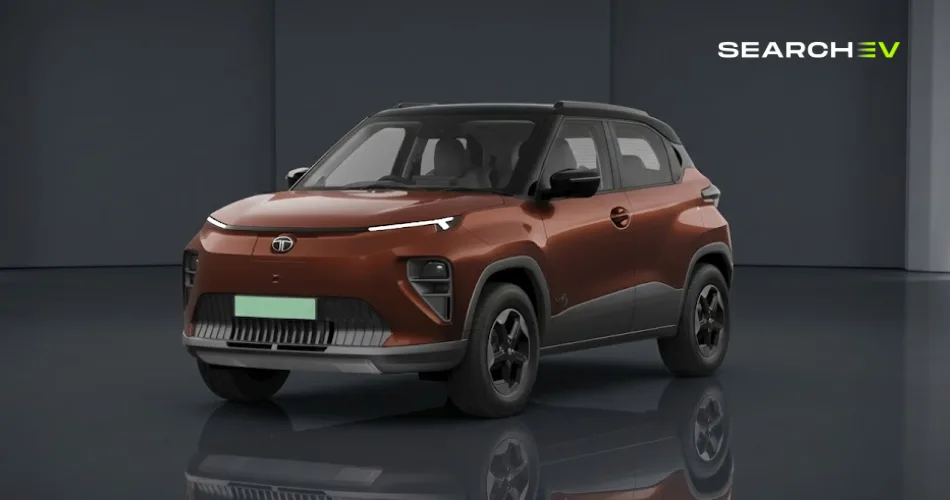
Best For
Buyers with longer commutes, seeking the best range per rupee.
Why it makes sense
- Real-world range of around 300 km is more than adequate for most commuters (40 kWh)
- Highly Competitive Price (Baas available too)
- Delivers robust structural safety and a commanding driving position.
- The Acti.ev platform offers superior packaging and dynamics compared to ICE to EV converted platforms
- Punches above its weight with premium kit like ventilated front seats, etc.
Overview
Recently facelifted, the 2026 Tata Punch EV is a remarkably complete package that brings genuinely premium EV experiences within reach of mainstream buyers. Despite its accessible pricing, it packs in features typically seen in cars from a segment above, while the Long Range version comfortably delivers over 300 kilometres of usable real-world range. Add to that Tata’s strong focus on crash safety, and its compact dimensions making it effortless to drive in crowded cities.
Specifications
| Feature | 30 kWh Variant (Medium Range) | 40 kWh Variant (Long Range) |
| Price | Rs 9.69 – 10.29 Lakh | Rs 10.89 – 12.59 Lakh onwards |
| Battery Size | 30 kWh | 40 kWh |
| Real-World Range | 240-260 km | 310-330 km |
| Power | 64 kW | 94 kW |
| Boot Space | 366 L (+14 L Frunk) | 366 L (+14 L Frunk) |
| Charging time (AC) | 4.5 hours (7.2kW) | 5.3 hours (7.2kW) |
| Charging (DC) | 30 Mins (10-80% via 65kW DC) | 26 Mins (20-80% via 65kW DC) |
Best Variant
For outright value, the Smart+ 40kWh (Rs 10.89 Lakh) makes the most logical sense, securing the larger battery architecture and a lifetime battery warranty. However, if your budget permits, upgrading to the Empowered trim (Rs 12.29 Lakh) is highly recommended. It unlocks a substantially richer experience with premium kit like blind-spot monitoring, a 360-degree camera, dual high-def screens, and a cinematic audio system tuned by Harman.
Tata Tigor EV Starts at Rs 12.49 Lakh
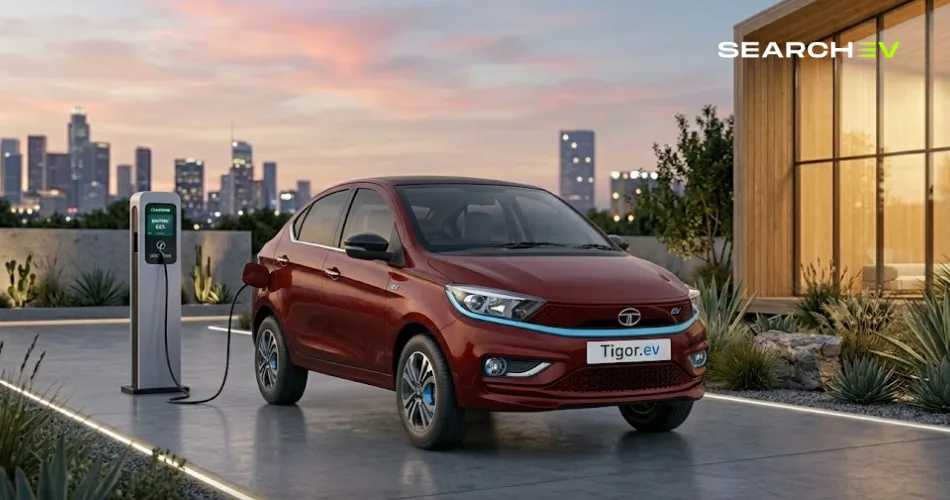
Best For
Traditionalists and mature buyers who strictly prefer a classic sedan silhouette and require a secure, fully enclosed boot for luggage isolation.
Why it makes sense
- Delivers a smooth, silent city commute for safety-conscious mature buyers.
- Retains the classic three-box sedan silhouette for strict aesthetic traditionalists.
- Classic sub-four-metre sedan design with a fully enclosed boot.
- Reassuring 4-star Global NCAP safety rating.
- Ziptron high-voltage architecture producing 75 bhp and 170 Nm of torque
Overview
Operating in a rather isolated niche, the Tata Tigor EV remains the sole electric sub-four-metre sedan in this segment. For buyers who still prefer a classic three-box silhouette, the Tata Tigor EV offers decent rear leg space and a 316-litre boot. However, its age has become quite apparent; the interior screens feel noticeably antiquated, and the overall packaging suffers due to its older converted internal combustion platform. Out on the road, the 26 kWh battery struggles to push past 200-220 kilometres of real-world range.
Specifications
| Feature | Details |
| Price | Rs 12.49 Lakh – Rs 13.75 Lakh |
| Real-world range | 200 – 220 km |
| Power | 60 kW (75 bhp) |
| Battery size | 26.0 kWh |
| Boot space | 316L |
| Charging time (AC) |
|
| DC Fast Charging |
|
Best Variant
Unless you can secure massive dealership discounts, the Tigor EV’s aging platform is heavily outclassed by identically priced, modern born-EV alternatives (like the Punch EV).
Tata Nexon EV Starts at Rs 12.49 Lakh
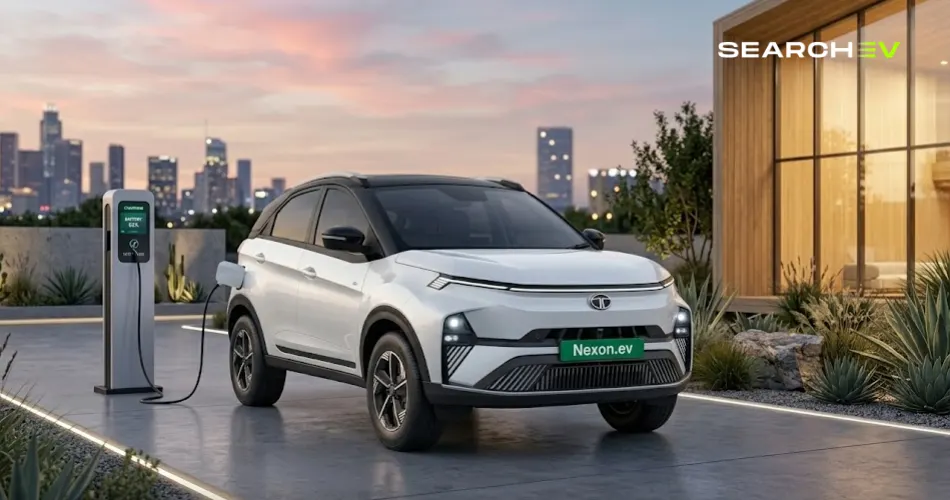
Best For
Environmentally conscious households seeking a structurally safe, long-range primary vehicle in a budget that acts as a robust daily commuter and confidently handles occasional intercity touring.
Why it makes sense
- Uncompromised structural safety with a five-star Bharat NCAP rating
- Unprecedented fifteen-year battery warranty (on the 45kWh variants)
- 12.3-inch Cinematic HD touchscreen tuned by Harman with wireless Apple CarPlay and Android Auto.
- Comprehensive Level 2 ADAS suite on top-tier trims.
- Practical real-world range
Overview
The Nexon EV has been the first mainstream model that truly sparked EV adoption in India. With numerous updates coming since then, the Nexon EV has evolved into a balanced EV proposition that’s an easy recommendation for anyone looking for a do-it-all vehicle.
If you have dedicated home charging, the Tata Nexon EV with the larger 45 kWh battery works well as an urban commuter along with the ability to confidently tackle long intercity drives with nearly 50 kilometres of range in real-world testing. It also offers plenty of features, and benefits from Tata’s wide network.
Specifications
| Feature | 30.0 kWh Variant | 45.0 kWh Variant |
| Battery size | 30.0 kWh | 45.0 kWh |
| Price | Rs 12.49 Lakh – Rs 13.29 Lakh | Rs 14.99 Lakh – Rs 17.49 Lakh |
| Power | 94 kW (127 bhp) | 105 kW (142 bhp) |
| Claimed Range (MIDC) | 325 km | 489 km |
| Real-world range | 210 – 230 km | 350 – 370 km (C75 Estimate) |
| AC Charging (7.2kW) | 4 hours 18 mins (10-100%) | 6 hours 36 mins (10-100%) |
| DC Fast Charging (10-80%) | Yes (via 50 kW) | 40 Mins (via 60 kW) |
| Boot space | 350L (+ 11.6L Frunk) | 350L (+ 11.6L Frunk) |
Best Variant
The Creative 45 trim (Rs13.99 Lakh) secures the larger battery architecture and, crucially, unlocks the fifteen-year battery warranty.
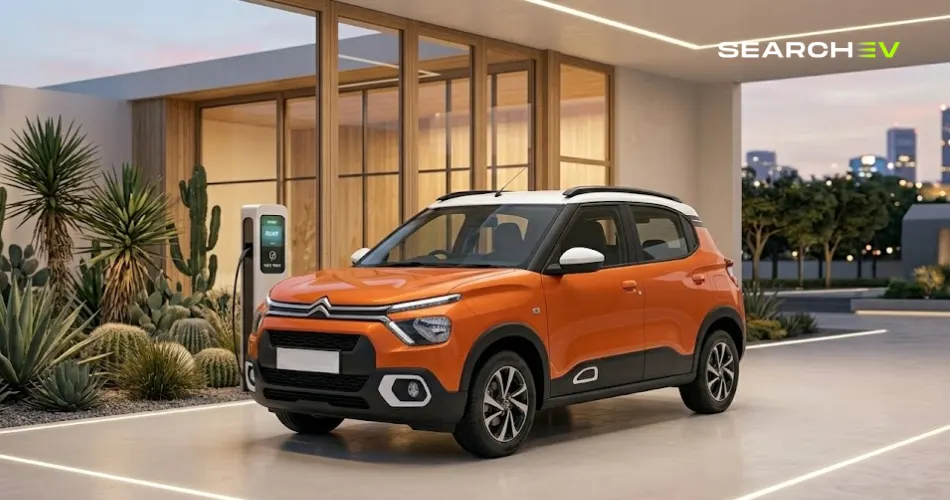
Citroen eC3 Starts at Rs 12.90 Lakh
Best For
Fleet operators who prioritise cabin practicality and ride comfort over flashiness
Why it makes sense
- 2,540 mm wheelbase results in superior interior legroom.
- Absorbs bad roads with exceptional poise.
- Functions as a rugged, utilitarian runabout
Overview
Taking a uniquely French, no-nonsense approach to budget electric mobility, the Citroen eC3 heavily favours utilitarian space over technological theatrics. The eC3 absorbs the punishment of degraded city infrastructure with a level of suppleness that puts more expensive SUVs to shame. The cabin experience is defined by its generous dimensions. However, the budget constraints are glaringly obvious. With bare-bones equipment and a lethargic motor that struggles past eighty, it’s a rugged fleet workhorse and a very difficult recommendation for private buyers.
Specifications
| Feature | Details |
| Price | Rs 12.90 Lakh – Rs 13.53 Lakh |
| Real world range | 218 – 228 km |
| Power | 41 kW (56.2 bhp) |
| Battery size | 29.2 kWh |
| Boot space | 315L |
| Charging time (AC) | 10.5 Hours (0-100% via 3.3kW AC) |
| DC Fast Charging | 57 Minutes (10-80% via DC Fast Charger) |
Best Variant
Given the eC3’s critical structural safety failures (scoring zero stars in crash tests) and glaring feature omissions, it is difficult to confidently recommend any variant for a private buyer. If one must purchase it strictly for rugged fleet or commercial purposes, sticking to the base Feel variant makes the most financial sense.
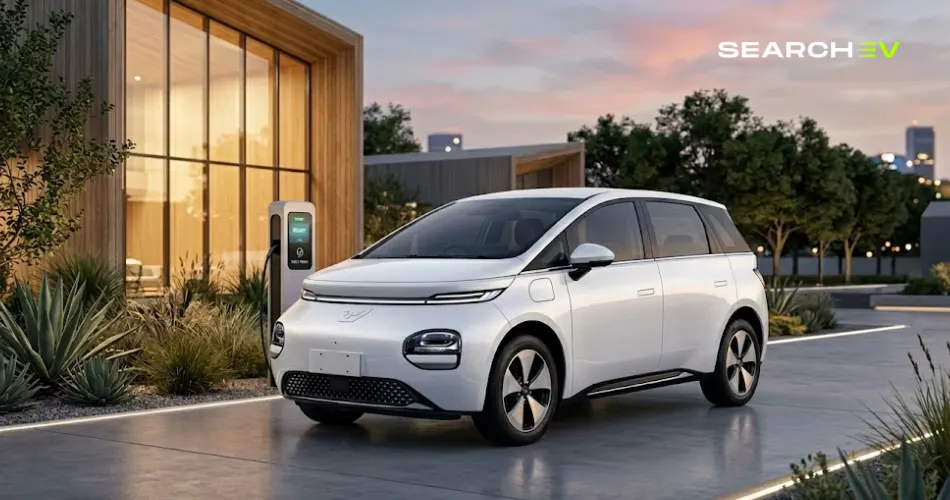
MG Windsor EV Starts at Rs 14.09 Lakh
Best For
Older demographics, chauffeur-driven executives, and large urban families who want massive interior volume.
Key Features:
- Dedicated skateboard EV platform maximising wheelbase and interior floor space.
- Unique 135-degree reclining “aero-lounge” rear seats.
- Colossal 15.6-inch high-definition touchscreen interface.
- Battery-as-a-Service (BaaS) purchase option to drastically lower upfront acquisition costs.
- 52.9 kWh battery option seriously reduces range anxiety
Overview
The MG Windsor EV abandons SUV styling for a space-optimised crossover MPV silhouette. Step inside, and the cabin feels astonishingly vast as this dedicated electric skateboard platform pushes the wheels to far extremities, maximising the wheelbase to liberate a cavernous 579-litre boot and accommodate unique 135-degree reclining aero-lounge rear seats. Ventilated front seats, 15.6-inch touchscreen, and connected car tech add to its premium intentions.
Specifications
| Feature | 38.0 kWh Variant | 52.9 kWh Variant |
| Price | Rs 14.09 Lakh | Rs 17.37 Lakh |
| Real World Range | 250 km | 350 km |
| Power | 99 kW (134.1 bhp) | 99 kW (134.1 bhp) |
| Battery Size | 38.0 kWh | 52.9 kWh |
| Boot Space | 579L | 579L |
| AC Charging Time | 6.5 Hours (0-100% via 7.4kW AC) | 8.5 Hours (0-100% via 7.4kW AC) |
| DC Fast Charging | 55 Minutes (0-80% via 45kW DC Fast Charger) | 50 Minutes (0-80% via 60kW DC Fast Charger) |
Best Variant
Taking advantage of MG’s Battery-as-a-Service (BaaS) option is a great option to maximise value. By opting for the battery rental at Rs 3.5 per kilometre, you can aggressively slash upfront acquisition costs by nearly Rs 3.5 Lakh. This makes unlocking the higher-end trims far more financially accessible.