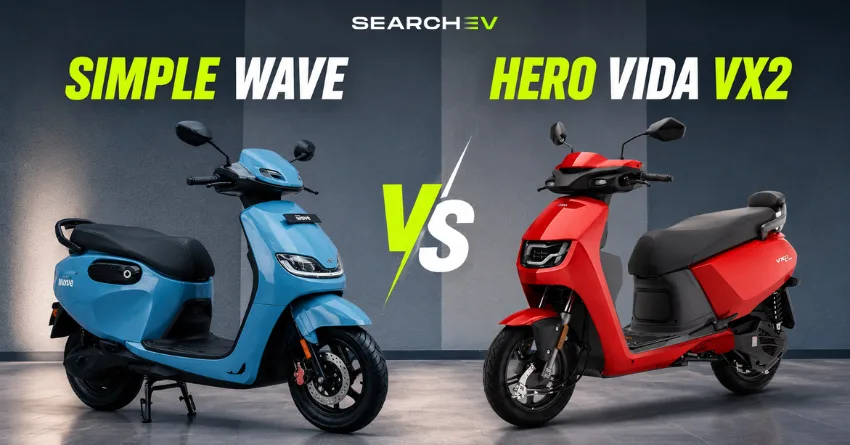
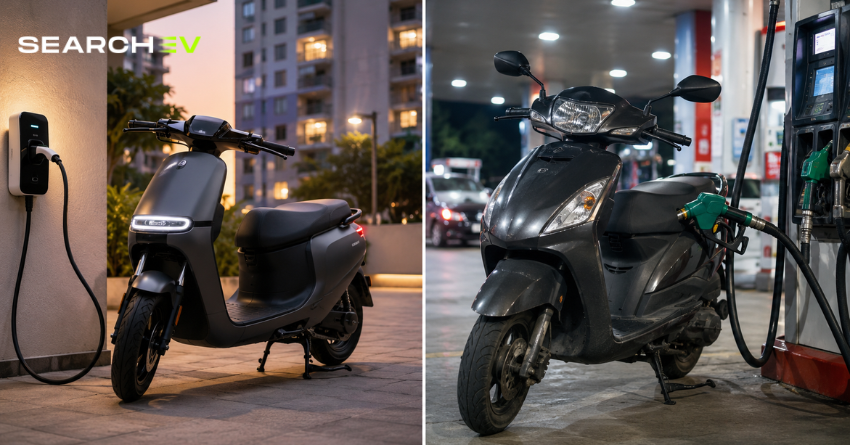
If you’re a college student or a daily commuter in India, here’s a conversation you’ve probably had at least once — “bhai electric le ya petrol?”
And every time, it circles back to the same thing. The electric one looks expensive upfront. The petrol one feels safer, familiar. You know how it works. Your dad has one. Your neighbour has one. Everyone has one.
But here’s what that conversation almost never includes — what you’re actually spending over two, three, five years. Because that’s where the real answer is. Not on the showroom floor.
Let’s do the math properly.
The Upfront Cost – Yes, Electric Is More Expensive. But Not By As Much As You Think.
Let’s be honest about this one. A decent petrol scooter — Honda Activa 6G, TVS Jupiter 125, Suzuki Access 125 — starts somewhere between ₹73,000 and ₹88,000 ex-showroom right now.
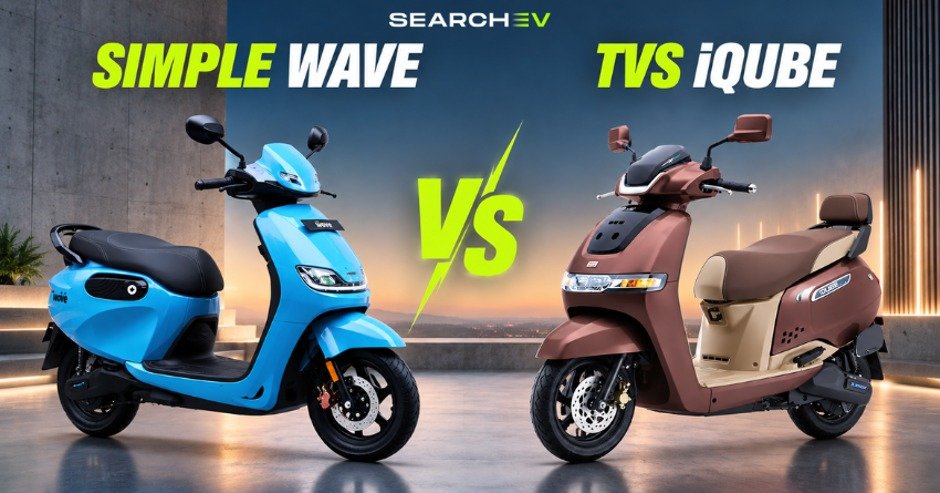
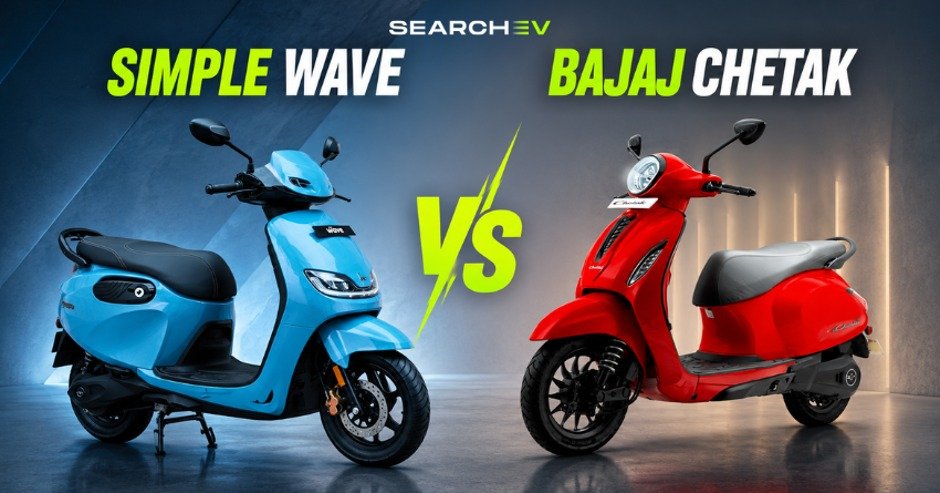
Popular electric options — Ola S1 X, TVS iQube, Bajaj Chetak — range from ₹85,000 to ₹1.25 lakh. So yes, higher sticker price. That’s real.
But here’s the part most people miss: government subsidies. The PM E-DRIVE scheme currently running until July 2026 knocks up to ₹5,000 directly off the purchase price of eligible electric two-wheelers. If you’re in Delhi, Maharashtra, Tamil Nadu, or Gujarat, state-level EV policies stack on top of that. After subsidies, the actual on-road difference between a comparable electric and petrol scooter in many cities is down to ₹12,000 to ₹25,000.
That’s it. That’s the gap you’re actually financing — not a lakh. Just that difference. And you’re going to recover it faster than you expect.
Running Cost – This Is Where Everything Changes
Petrol in most major Indian cities right now is sitting at ₹104 to ₹108 per litre. A typical 125cc scooter gives you around 45 to 50 km per litre in real-world riding. Work that out and you’re paying roughly ₹2.10 to ₹2.30 per kilometre every time you ride.
An electric scooter? A full charge costs ₹10 to ₹15 depending on your state’s electricity tariff. That gets you 80 to 120 km on most mid-range models. Per kilometre cost: ₹0.15 to ₹0.25.
Let that sink in for a second.
If you’re riding 30 kilometres a day — a pretty typical college commute or office run — here’s what your monthly fuel spend looks like:
- Petrol scooter: roughly ₹1,900 to ₹2,100 per month
- Electric scooter: roughly ₹150 to ₹225 per month
That’s not a rounding error. That’s a difference of nearly ₹1,700 to ₹1,900 every single month — money that was quietly leaving your pocket every time you stopped at a petrol pump.
Over a year, you’re saving somewhere between ₹20,000 and ₹23,000 on fuel alone.
Maintenance – The Hidden Cost Nobody Talks About Enough
This one is where petrol scooter owners get surprised when they actually sit down and add it up.
A petrol scooter needs engine oil changes every 3,000 kilometres — that’s three to four times a year. Then there’s air filter cleaning, spark plug replacement, belt inspection, carbeurettor servicing. Small things individually. Together, you’re looking at roughly ₹8,000 to ₹10,000 a year in routine maintenance.
An electric scooter has no engine oil. No spark plugs. No timing belt. No carbeurettor. Fewer moving parts means fewer things to service and fewer things to break. Typical annual maintenance on an electric scooter runs around ₹1,500 to ₹3,000 — mostly just brake checks and tyre rotation.
That’s another ₹6,000 to ₹7,000 a year you’re keeping in your pocket.
So When Does the Electric Scooter Actually Pay For Itself?
Let’s put the full picture together using real 2026 numbers.
Say you’re riding 30 km a day — about 900 km a month. You pick up an electric scooter at ₹95,000 on-road (after subsidies) versus a petrol scooter at ₹80,000. That’s a ₹15,000 upfront difference.
Your combined annual saving on fuel plus maintenance: roughly ₹27,000 to ₹30,000.
Break-even point: somewhere between 6 and 8 months.
After that, every kilometre you ride is putting money back that the petrol scooter owner is still spending. Over five years, the total saving lands at ₹70,000 to over ₹1 lakh — even accounting for one potential battery service down the line.
For a student managing a tight monthly budget, or a commuter trying to keep monthly expenses predictable, this isn’t a small deal. It’s actually a significant one.
What Electric Doesn’t Win At — Yet
Look, this wouldn’t be an honest comparison if we didn’t say this.
- Range anxiety on long trips. If you’re doing highway runs or travelling to areas with zero charging infrastructure, a petrol scooter is still more convenient. You find a petrol bunk anywhere in India. Charging points, while growing fast in cities, are still patchy in smaller towns and rural areas.
- Resale value. Petrol scooters have a deeper, more established second-hand market. Electric scooters are building that track record — brands like Ola, TVS, and Bajaj are improving on this — but if you’re planning to sell in 12 to 18 months, petrol still has an edge here.
- Charging time. Most electric scooters take 3 to 6 hours for a full charge. If you don’t have a charging point at home or at your hostel, this becomes genuinely inconvenient. The economics only work smoothly if you can charge at home overnight.
The Bottom Line For Daily Commuters
If you’re riding 25 km or more every day, charging at home is possible, and you’re planning to keep the scooter for at least two to three years — the electric scooter wins this comparison clearly. Not slightly. Clearly.
The upfront cost difference is smaller than it looks after subsidies. The running cost difference is bigger than most people realise until they calculate it. And the maintenance difference is the one that really adds up quietly over time.
The petrol scooter isn’t a bad choice. It’s just the more expensive one — it’s just that the expense is spread out in a way that doesn’t feel like it in the moment.
Stay on top of every EV ownership tip and technology update — SearchEV covers what actually matters for Indian EV owners.