3 Quick Reads
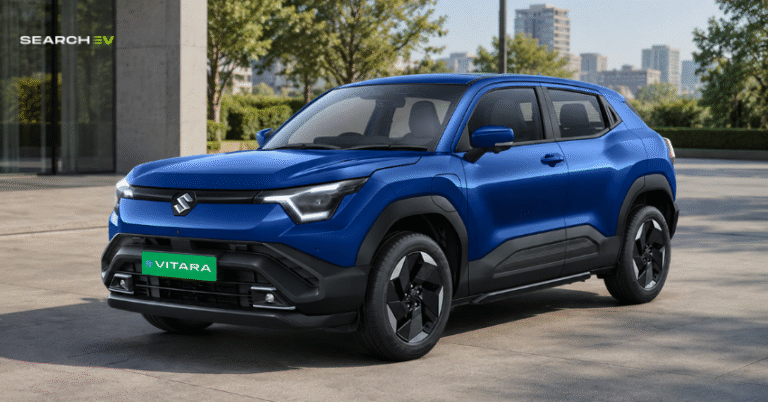
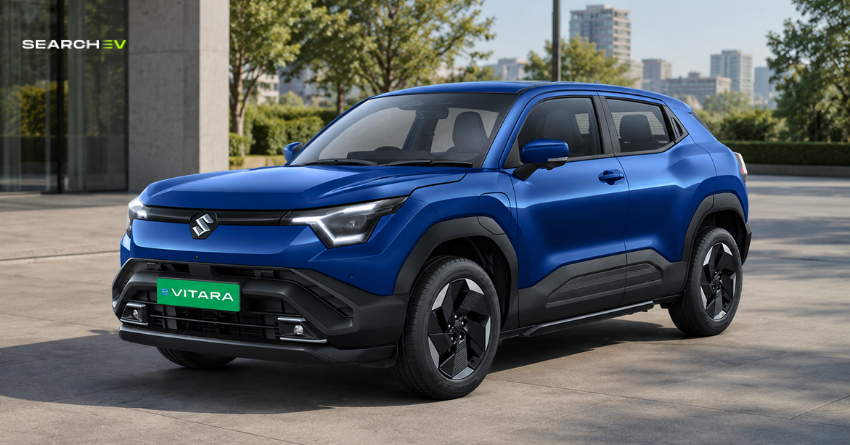
- Maruti Suzuki has rolled out the first price hike for its debut electric SUV, the e-Vitara, making it dearer by up to Rs 30,000 starting June 14, 2026.
- The mid-spec Zeta variant sees the maximum increase, while the entry-level Delta trim’s starting price remains entirely unchanged at Rs 15.99 lakh.
- The automaker officially cited rising input costs and ongoing inflationary pressures as the primary reasons for passing the financial burden onto customers.
Just a few months after officially launching in February, the Maruti Suzuki eVitara has already witnessed its first price hike. The hike isn’t exclusively introduced on the brand’s all-electric offering, as it has been done across the brand’s portfolio, including ICE cars. However, the e-Vitara is the one to see the largest hike of up to Rs 30,000, which is effective from June 14.
Variant-Wise Price Hike: What Has Changed?
The June price revision does not uniformly affect the e Vitara lineup. Maruti Suzuki has protected the entry-level Delta variant from the hike, thereby retaining the same starting price of Rs 16 lakhs. The mid-spec Zeta variant takes the hardest hit, while the top-end Alpha trim sees a slightly lower premium of Rs 20,000.
| Variant | Old Price (Ex-Showroom) | New Price (Ex-Showroom) | Price Increase |
| Delta (49 kWh) | Rs 15.99 Lakh | Rs 15.99 Lakh | None |
| Zeta (61 kWh) | Rs 17.49 Lakh | Rs 17.79 Lakh | Rs 30,000 |
| Alpha (61 kWh) | Rs 19.79 Lakh | Rs 19.99 Lakh | Rs 20,000 |
| Alpha Dual Tone | Rs 20.01 Lakh | Rs 20.21 Lakh | Rs 20,000 |
The BaaS (Battery as a Service) subscription variants have also reportedly seen proportional upward revisions. The base Delta variant under the Baas scheme is priced at Rs 10.99 lakh, with a battery rental plan costing Rs 3.99 per km. Meanwhile, the Zeta and Alpha variants have been revised to Rs 11.99 lakh and Rs 14.29 lakh, respectively, and come with a battery rental charge of Rs 4.39 per km.
Why the Price Hike?
This price hike has been officially acknowledged by Maruti Suzuki due to the constant hike in their input costs along with inflationary pressures. It is reported by Maruti Suzuki that it was managing the increased cost of production, but now it has become necessary for the carmaker to transfer some of its costs to the consumer side.
e Vitara Highlights: What Does It Offer?
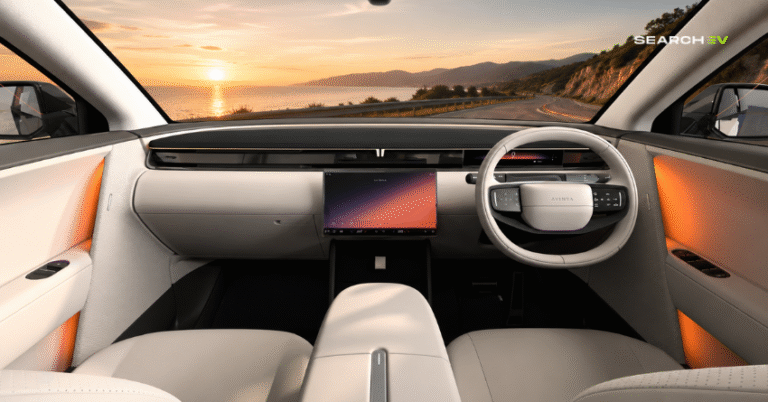
The e-Vitara offers two battery options, including a 49 kWh pack and a 61 kWh unit. The front-axle-mounted motor generates up to 172 bhp, with the larger battery claiming a driving range of up to 543 km on a single charge. Inside, the dual-tone cabin is highlighted by dual 10-inch screens for the infotainment and instrument cluster. The e-Vitara also comes fully loaded with a Level 2 ADAS suite, a 360-degree surround-view camera, seven standard airbags, a panoramic sunroof, and ventilated front seats.
Rival Price Comparison
Even with the Rs 30,000 price hike on higher variants, the e Vitara remains positioned aggressively against its core rivals.
| Electric SUV | Starting Price | Comparable Top-Spec Price |
| Maruti Suzuki e-Vitara | Rs 15.99 Lakh | Rs 19.99 Lakh |
| Tata Curvv EV | Rs 16.99 Lakh | Rs 19.19 Lakh |
| Mahindra BE 6 (with 7.2kW charger) | Rs 19.40 Lakh | Rs 27.40 Lakh |
| Creta Electric (with home charger) | Rs 18.02 Lakh | Rs 24.40 Lakh |