Quick Reads
- Spied undergoing high-altitude testing in Manali
- The test mule reveals a minimalist cabin equipped with a massive touchscreen and a fully digital instrument cluster.
- While Honda recently scrapped larger 0 Series EV projects globally due to cooling demand, the India-focused 0 Alpha remains fully on track for a commercial launch in early 2027
- The electric SUV will be manufactured at Honda’s Tapukara plant in Rajasthan, serving as a critical export hub for international markets, including the automaker’s home market of Japan.
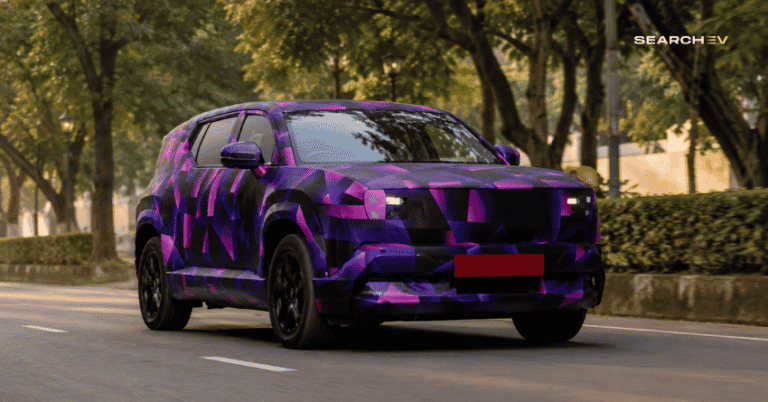
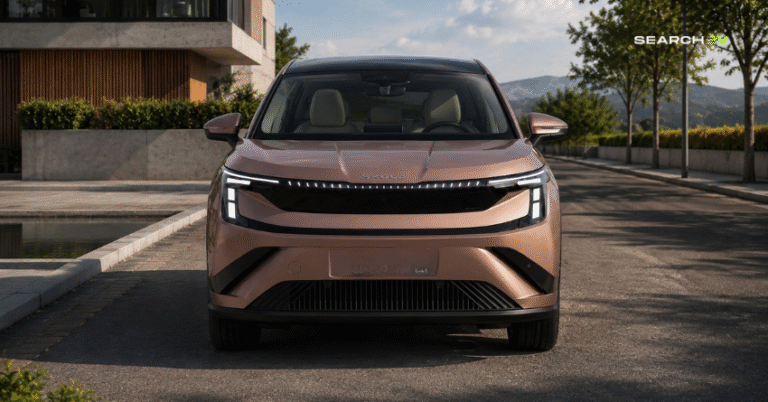
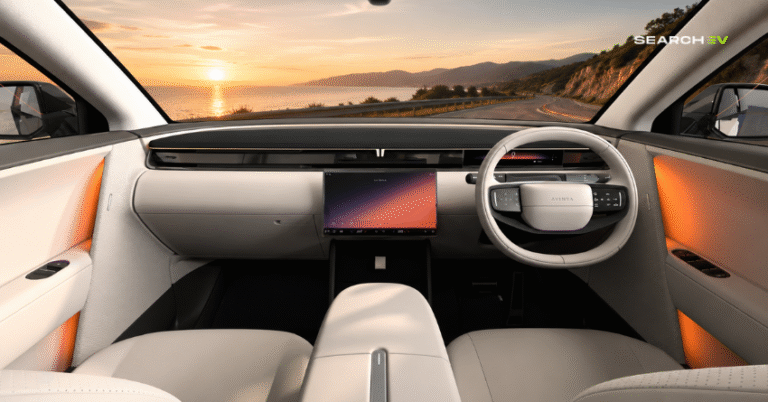
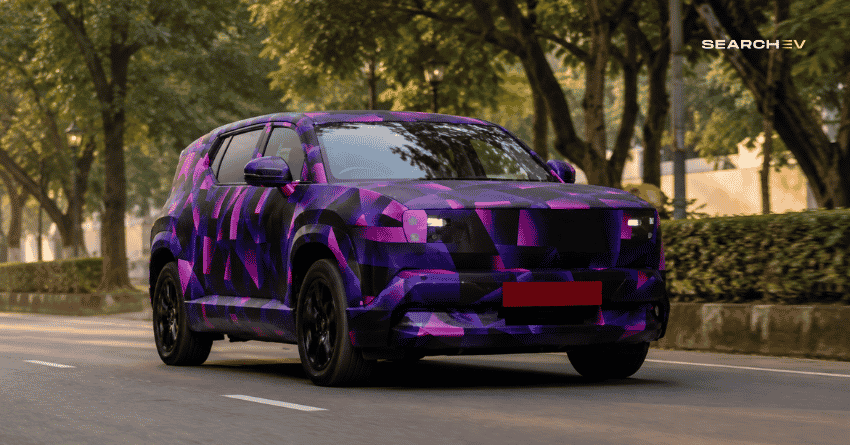
Honda Cars India is accelerating the real-world validation of its highly anticipated entry into the electric vehicle space. A heavily camouflaged prototype of the soon-to-launch Honda 0 Alpha EV has been recently spotted during a high altitude test drive in Manali, giving the first-ever glimpse of the interior layout of the SUV. This latest sighting has been done through a spy video uploaded on Instagram by a creator. In the cabin, the test mule gets a massive touchscreen infotainment system alongside a fully digital instrument cluster. The Honda 0 Alpha EV is a very important product for the electrification plans of the Japanese automobile manufacturer in India.
Honda 0 Alpha EV Interior and Exterior Details
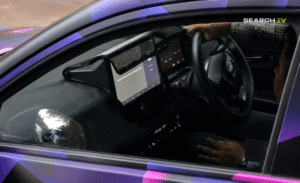
The latest spy shots provide a substantial glimpse through the prototype’s driver-side window, revealing an interior that aligns closely with the original “Thin, Light, and Wise” design philosophy of the Honda 0 Series concepts. The dashboard is dominated by a large, freestanding landscape-oriented touchscreen infotainment system. Noticeably larger than the units currently offered in Honda’s Indian ICE lineup, the display is expected to support connected car technology, wireless smartphone integration, and EV-specific telematics.
Positioned behind a newly designed, slightly hexagonal multi-function steering wheel is a dedicated fully digital instrument cluster. The overall dashboard adopts a clean, minimalist horizontal layout. Exterior glimpses, despite the heavy camouflage, show that the SUV retains the upright stance, boxy silhouette, and flat tailgate seen on earlier test mules, pointing toward a packaging strategy heavily focused on maximising interior space.
Surviving the Global Shakeup
Testing of the 0 Alpha EV model in India is especially interesting against the backdrop of the strategic shift of Honda on a global level. Earlier this year, the company stopped its three major projects aimed at developing electric vehicles, including the large 0 Series SUV and 0 Series Saloon, which were designed mainly for the US market. This was related to a changing situation on the global EV market.
However, amidst this restructuring, Honda officially insulated its Indian operations. The company identified India as a priority growth market, confirming that development and localised production for the smaller 0 Alpha SUV remain strictly on schedule.
India as a Global Export Hub
The 0 Alpha will be a localised product built from the ground up on a dedicated electric skateboard platform. Production will be handled at Honda’s Tapukara manufacturing facility in Rajasthan. Crucially, the SUV is not being developed solely for domestic sales; Honda has confirmed that India will serve as the global manufacturing hub for the 0 Alpha, with export plans firmly targeting international regions, including their domestic market – Japan.
Honda 0 Alpha EV Specs and Market Positioning
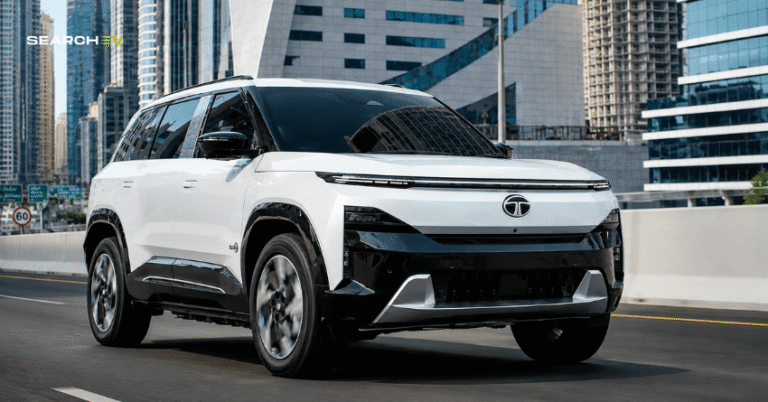
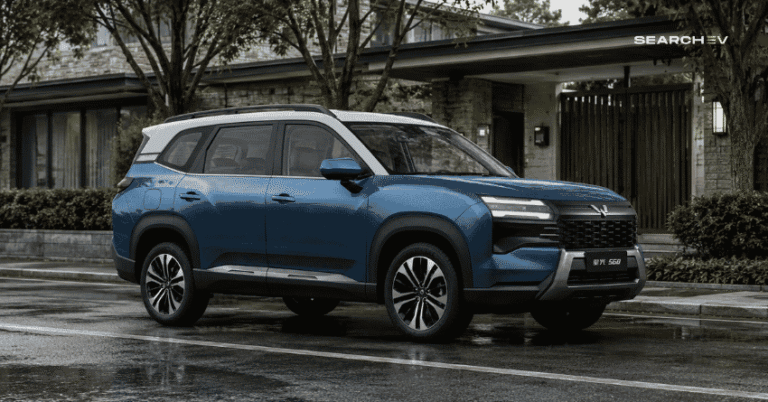
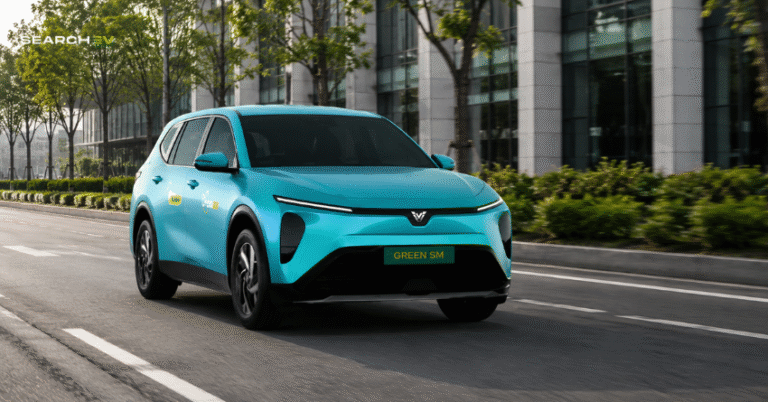
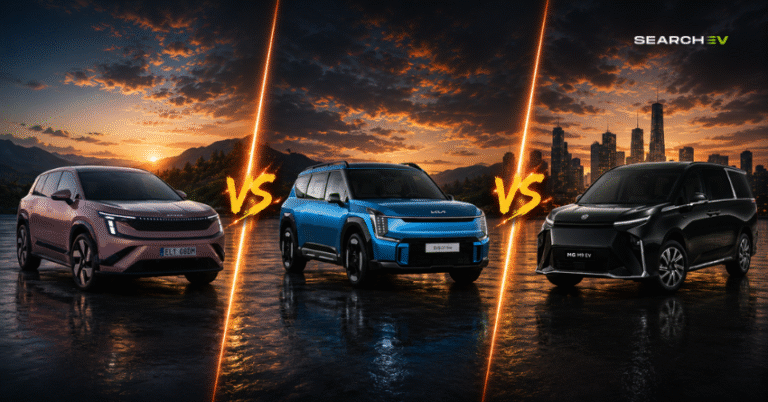
When it arrives in early 2027, the Honda 0 Alpha will enter the fiercely competitive premium mid-size electric SUV segment. It will go head-to-head against upcoming heavyweight rivals, including the Hyundai Creta Electric, Maruti Suzuki e Vitara, Mahindra BE 6, and the Tata Sierra EV.
Although technical specifications are not publicly available, it is clear that the 0 Alpha will come with batteries with capacities varying between 60 kWh and 75 kWh. The top variants of the car are projected to cover a real world distance of around 450 km per charge due to the emphasis on air dynamics and local cooling systems for battery packs. Moreover, the car’s system is going to be compatible with high-speed DC charging, which will provide charging from 15% to 80% of battery capacity in less than 20 minutes.