Quick answer: Most electric cars in India gets a battery warranty of 8 years or 1.6 lakh km, whichever comes first, usually with a floor of 70% battery health. Some models go further, with “lifetime” cover for the first private owner. The warranty protects you from defects and excessive capacity loss. It does not cover accidents, flood damage, misuse or unauthorised repairs.
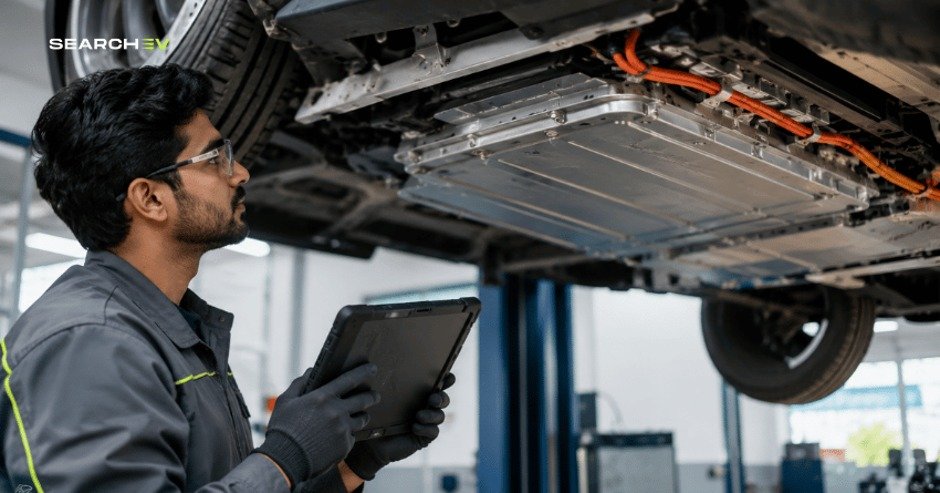
The battery is the most expensive part of an electric car, and that is exactly why the warranty matters. Replacing one out of warranty can run from roughly ₹3.6 lakh for a pack for one of the most affordable EV cars in India to well over ₹12 lakh for a large one, going by 2026 estimates.
Yet plenty of owners never read the booklet. They assume “8 years” means anything that goes wrong is fixed for free. It doesn’t. Here is what the cover really says.
The standard cover: years, kilometres and the 70% rule
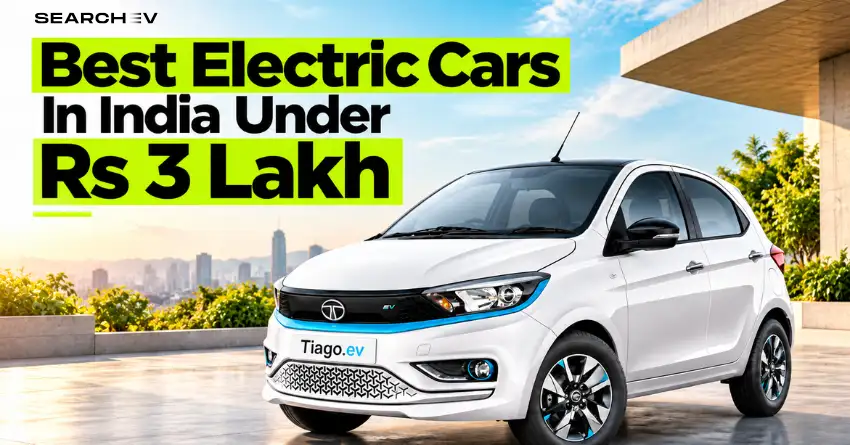
For most mass-market EVs, including the Tata Nexon EV and Tiago EV, Hyundai Creta Electric and Mahindra XUV400, the battery is covered for 8 years or 1,60,000 km, whichever arrives first. Some brands set a lower distance cap. The MG ZS EV is usually quoted at 8 years or 1,50,000 km, and the smaller MG Comet at 8 years or 1,20,000 km.
Most warranties also include a minimum state of health, commonly 70%. In plain terms, if the pack’s usable capacity falls below that level within the warranty period, the maker should repair or replace it. If it slips from 100% to 80%, that is considered normal wear and you aren’t owed anything.
The vehicle itself has a separate, shorter warranty, typically around 3 years, with kilometre limits that vary by brand. Many makers cover the traction motor alongside the battery, but check the wording rather than assuming. If you are still choosing a car, our guide to the best electric cars under ₹20 lakh is a good place to compare models.
“Lifetime” battery warranties: read the small print
A growing number of makers now advertise lifetime cover. Tata offers it on models such as the Nexon.ev 45 kWh and Curvv.ev, defined as 15 years with unlimited kilometres for the first registered owner. Newer launches may follow, so keep an eye on the upcoming Tata EV cars. Mahindra and MG have also offered lifetime battery cover on selected electric models for first private owners.
The catch is what happens when you sell. Lifetime cover usually drops to a fixed term for the second owner. Tata reverts to 8 years or 1.6 lakh km on its Nexon and Curvv, while Mahindra’s newer electric SUVs move to 10 years or 2 lakh km. Eligibility can also depend on the variant and on private (not commercial) registration, so confirm the exact terms for the car you are buying. Our roundup of the top 5 best electric cars under ₹30 lakh is a handy starting point for comparing models.
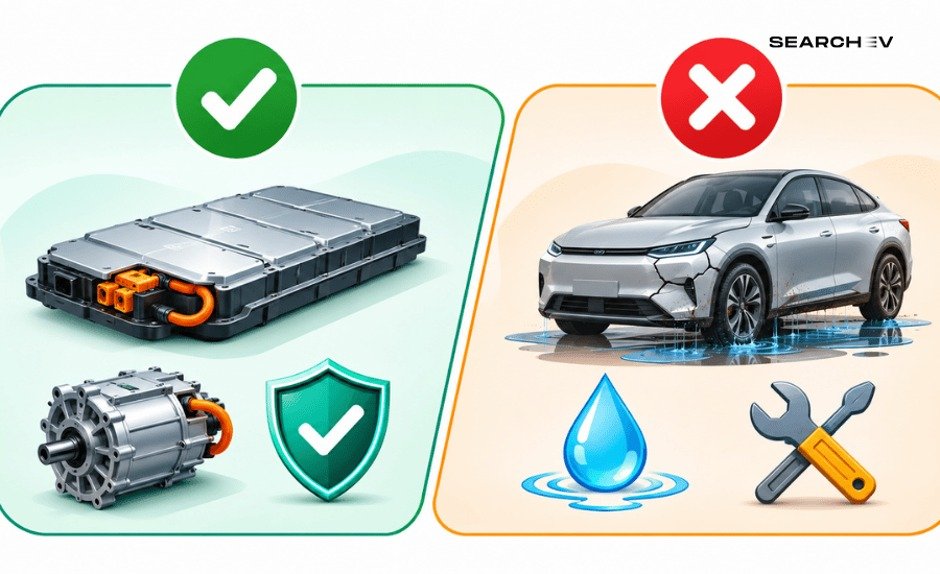
What’s covered
- Manufacturing defects in the battery pack, cells and battery management system
- Capacity falling below the stated threshold (commonly 70%) within the warranty period
- Repair or replacement of the pack by an authorised service centre
- In many cases, the traction motor under the same 8-year terms
What isn’t covered
This is where most disputes start. Warranties typically exclude:
- Damage from accidents, impacts or underbody strikes
- Water ingress from flooding or driving through deep water
- Repairs or modifications made outside authorised service centres
- Use of unapproved chargers or tampering with the battery system
- Normal capacity loss that stays above the stated threshold
- Neglected servicing, if the booklet makes cover conditional on it
Accidents, fire and flood damage are generally matters for your motor insurance, not the warranty. It is worth asking your insurer whether they offer a battery cover add-on, since the pack is such a large share of the car’s value.
What happens when you buy or sell a used EV
Standard 8-year warranties usually transfer with the car, though some makers charge a small administrative fee or need the transfer registered at an authorised dealership. Lifetime warranties are mostly a first-owner benefit, as covered above.
If you are buying used, ask for the service history and the original registration date. The 8 years start counting from the first registration, not from the day you collected the keys.
Your pre-purchase checklist
- Ask for the warranty booklet and read the battery section before you pay.
- Note the exact years, the kilometre cap and the state-of-health threshold.
- Ask what counts as a breach, such as non-approved chargers or third-party repairs.
- Check how transfer works if you sell, and what the second owner receives.
- Find out what the battery health report looks like and who runs the test.
- Keep all service records. They are your evidence if you ever need to claim.
Frequently asked questions
- How long does an EV battery warranty last in India?
Most last 8 years or 1,60,000 km, whichever comes first. Some premium or newer models go to 10 years, 2 lakh km or “lifetime” for the first owner.
- What does the 70% battery health clause mean?
It sets the minimum usable capacity your battery should keep during the warranty period. Fall below it and you can ask for a repair or replacement. Staying above it is treated as normal ageing.
- Does the battery warranty cover accidents or flooding?
Usually not. Physical damage and water damage generally fall under motor insurance rather than the manufacturer’s warranty.
- Can I claim battery warranty if I charge at a public station?
Yes, provided you use approved chargers and the unit isn’t faulty or modified. Check your booklet for any specific charger conditions.
- How long does a modern EV battery really last?
Plenty of guides suggest 10 to 12 years of useful life, ending with around 70% to 80% of original capacity, though this depends on climate, charging habits and use.
The bottom line: treat the battery warranty as your safety net, not a blank cheque. Read the terms, keep your records and charge sensibly, and you will be well covered if something does go wrong.