Quick Reads
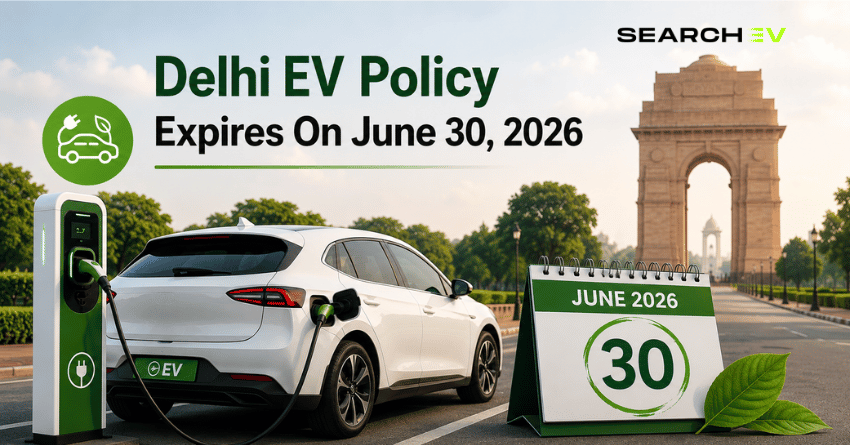
- Delhi EV Policy 2.0 is currently a draft and not yet finalised
- New petrol two-wheelers may no longer be allowed to register from April 1, 2028\
- CNG and petrol auto-rickshaw registrations could end from August 2025
- Buyers may receive purchase incentives, scrapping benefits and tax exemptions on EV purchases
- This policy could significantly reduce pollution in the capital, and increase EV adoption rates
The Delhi government released the draft of the new EV Policy 2.0 for public and stakeholder feedback, outlining a roadmap to be followed for transitioning into a cleaner mobility ecosystem. While headlines have largely focused on the proposed petrol two-wheeler ban, the policy contains several measures that affect motorcycles, scooters, auto-rickshaws, commercial vehicles and even private car buyers. We explain it all in detail:
No New Petrol Two-Wheeler Registrations From 2028
The biggest proposal in the EV policy 2.0 is that from April 1, 2028, only electric two-wheelers are allowed to be registered in Delhi. This means buyers would no longer be able to register a new petrol-powered motorcycle or scooter within the capital limits.
However, existing petrol two-wheelers will not be banned from the roads. Owners can continue using their vehicles as per the existing vehicle-age and fitness regulations. This proposal only affects registrations of new petrol two-wheelers.
Why Is Delhi Doing This?
According to the policy draft, two-wheelers account for nearly 68 % of all registered vehicles in Delhi. This number also makes them one of the largest contributors to transport-related emissions. By banning petrol two-wheelers, the government has hopes of improving air quality and reducing fossil fuel usage. However, the effectiveness of such measures, still remains questionable given the multiple sources that contribute to Delhi’s pollution crisis.
Incentives For EV Buyers
The draft policy also proposes a bunch of interesting incentives for new EV buyers. Electric two-wheelers buyers could receive benefits of up to Rs 30,000 on new purchases, depending on implementation timeline. Other significant benefits include registration fee waiver, road-tax exemptions and additional scrappage incentives for replacing older vehicles with EVs.
Auto-Rickshaws And Commercial Vehicles Also Affected
The proposed policy not only affects motorcycles and scooters, but also new registrations of CNG and petrol-powered auto-rickshaws. From January 01, 2027, only electric auto-rickshaws will be permitted. Similar electrification targets are planned for commercial fleets and public transport vehicles as well.
Industry Concerns
Not everyone is convinced by the proposal. SIAM (Society of Indian Automobile Manufacturers) which is an important and major automotive organization in India, has already expressed concerns that modern BS6-compliant petrol two-wheelers are already significantly cleaner than older vehicles. Apart from this, questions about charging infrastructure availability, more upfront EV pricing and the impact on buyers who rely on affordable petrol motorcycles have also been raised.
Is The Policy Final?
No. The policy is still in draft form and the Delhi government is currently seeking feedback from citizens, automotive industry and other concerned organisations. But, we do think that the policy could be revised before the final draft is approved and implemented. We will keep you updated about this if we receive any more information.