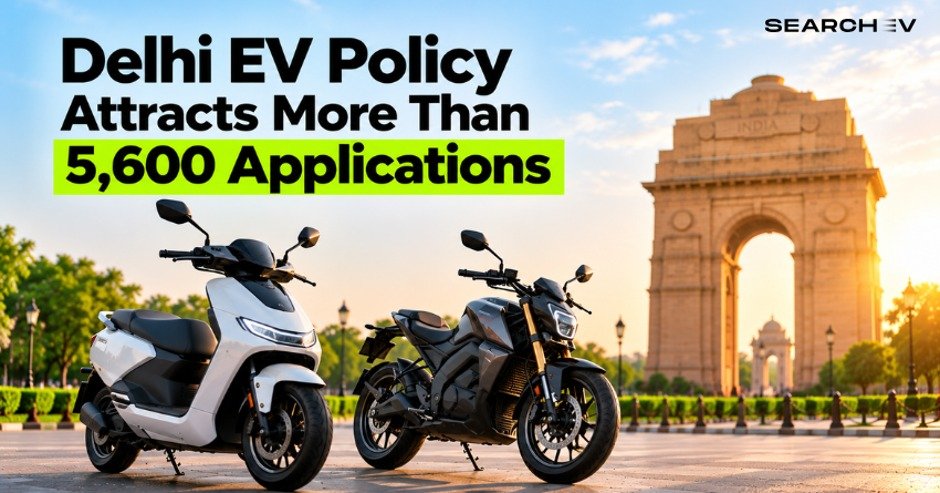
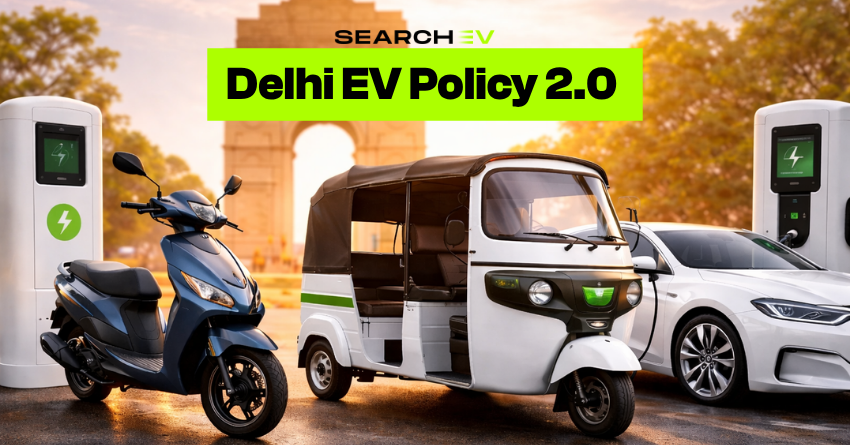
The Delhi government has proposed a draft for the Delhi EV Policy 2.0 to boost EV adoption in the region. In a significant move to combat rising vehicular pollution and cement its position as India’s electric vehicle (EV) capital, the Delhi government has released the draft for its Electric Vehicle Policy 2.0 (2026-2030). The new framework introduces aggressive financial incentives, including a complete tax holiday for electric cars under Rs. 30 lakhs (ex-showroom) and, for the first time, a notable olive branch to hybrid vehicle buyers.
Electric Cars Under ₹30 Lakh Get Full Exemption
All the electric cars under ₹30 lakh may be granted a 100% exemption on road tax and registration fees. This benefit is slated to remain in effect until March 31, 2030. The move is designed to make EVs more accessible to middle-income families and boost the adoption of mass-market models like the Tata Nexon EV, Mahindra XUV400, and upcoming budget electric SUVs.
Do note that this exemption will not be for the luxury electric cars that are priced beyond ₹30 lakh.
A Boost for Strong Hybrids
In a notable shift from the previous policy, the Delhi government has recognised “Strong Hybrids” as a transitional technology. The draft proposes a 50% exemption on road tax and registration fees for strong hybrid vehicles. This move is expected to benefit buyers who buy Hybrid Vehicles like the Toyota Innova Hycross and Maruti Suzuki Grand Vitara, providing a middle ground for those not yet ready to switch to full-battery electric Vehicles.
Other Notable Proposals Under The Delhi EV Policy 2.0
- The Delhi Government has also proposed a scrappage benefit of up to ₹1 lakh for those who retire their old BS-IV or older Delhi-registered vehicles in favour of a new electric car. This incentive is capped at the first 100,000 applicants.
- From January 1, 2027, only electric three-wheelers will be permitted for new registration in Delhi.
- Starting April 1, 2028, the registration of new petrol-powered bikes and scooters will be completely halted, making the segment 100% electric for new buyers.
- Delivery services and ride aggregators (like Ola and Uber) will be barred from inducting new petrol or diesel vehicles as early as 2026.
The draft is open for public review for a period of 30 days. Once implemented, it will replace the 2020 framework of the EV policy.