Quick Reads
- Zero Lompico patent images leaked
- To be built on the same platform as Hero Vida VxZ concept
- Will get a 30 kW electric motor and 8.8 kWh battery
- Production version might be unveiled later this year
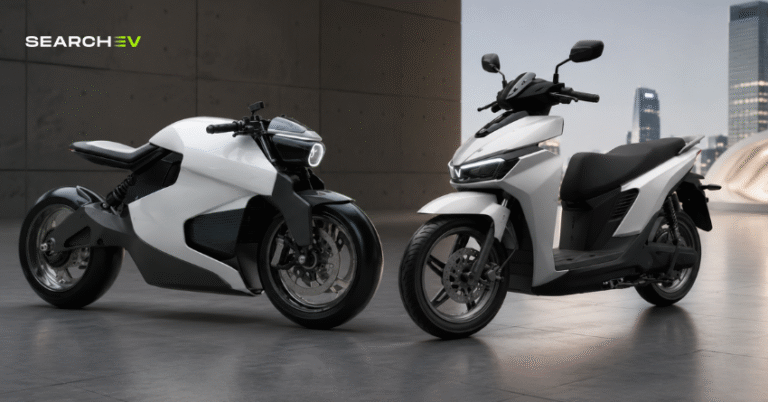
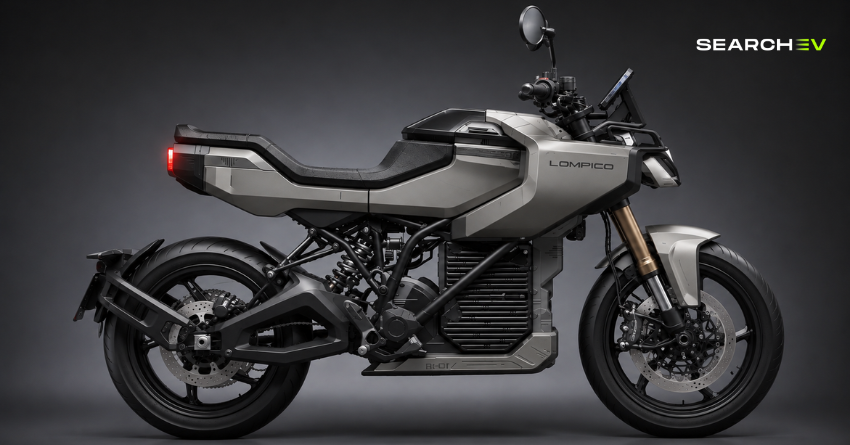
Last year in November, Zero Motorcycles revealed a concept electric bike – the Zero Motorcycles Lompico. Now, fresh patent images of the upcoming electric motorcycle have leaked online, which give us a much clearer look yet at how the production-ready model might look like. The leak not only reveals the bike’s design but also cements its connection to the Hero Vida VxZ concept, which was showcased at EICMA 2025.
Based On The Hero Vida VxZ
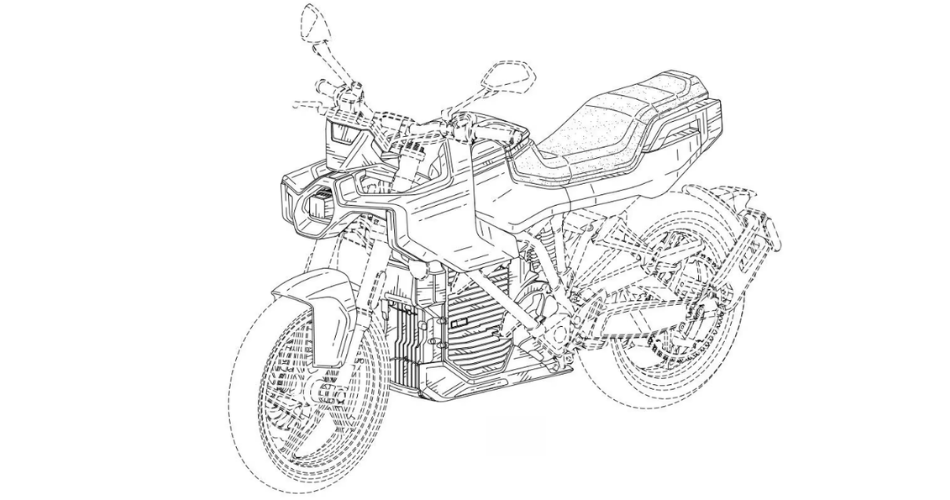
Image Source: CycleWorld
The biggest revelation from the leaked images is that the Lompico appears to share a lot of mechanical components with the upcoming Hero Vida VxZ. The chassis, battery pack, electric motor, suspension, brakes, swingarm and alloy wheels appear to be quite similar between the two electric motorcycles.
But even if they share a bunch of mechanical components, the Zero Lompico looks a lot more radical than the Vida VxZ, which gets a much more toned-down, streetfighter design. Patent drawings also show Lompico’s sharp body panels, creased design, winglet-like front panels and a distinctive lighting setup that makes the bike look closer to an electric concept motorcycle than a production-spec one.
Expected Performance
It is also confirmed that the Lompico will be powered by an 8.8 kWh battery pack, housed within its steel tubular frame. Connected to the battery pack is Zero’s Z-Force 75-5 motor, which puts out around 30 kW (40 hp) of peak power and 106 Nm of peak torque. This could be the same motor used in Zero Motorcycles FX, which is a dual-sport motorcycle sold in the United States Of America.
Could Be Built In India
The most interesting possibility is that, both the Hero Vida VxZ, and the Zero Lompico could be manufactured in India for the world, as Hero MotoCorp has extensive manufacturing capability. And, as these models share a lot of components, producing the bikes locally could definitely help reduce costs for both brands.