Quick reads
- Priced at Rs 1.35 lakh ex-showroom in Delhi
- Features a fixed 3 kWh battery pack just like the Honda QC1
- Certified Indian Driving Conditions range is 145 kilometres on a single charge.
- Fast charging allows the battery to reach 80% capacity in 2 hours and 40 minutes
- Comes equipped with a 5-inch TFT console, that gets smartphone connectivity with the RoadSync app.
- Has 32 litres of underseat storage and keyless ignition for everyday practicality
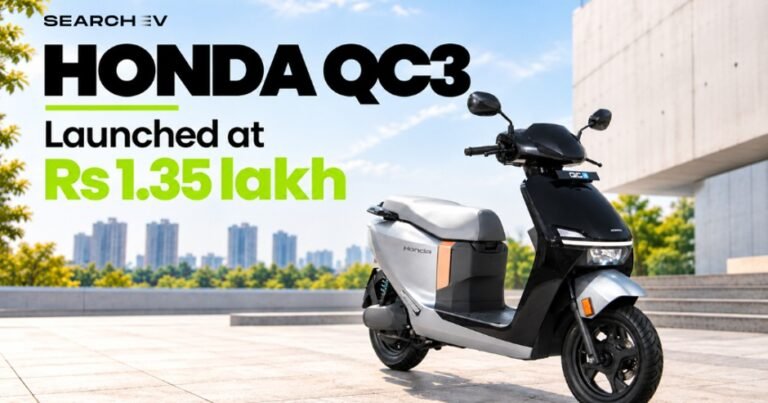
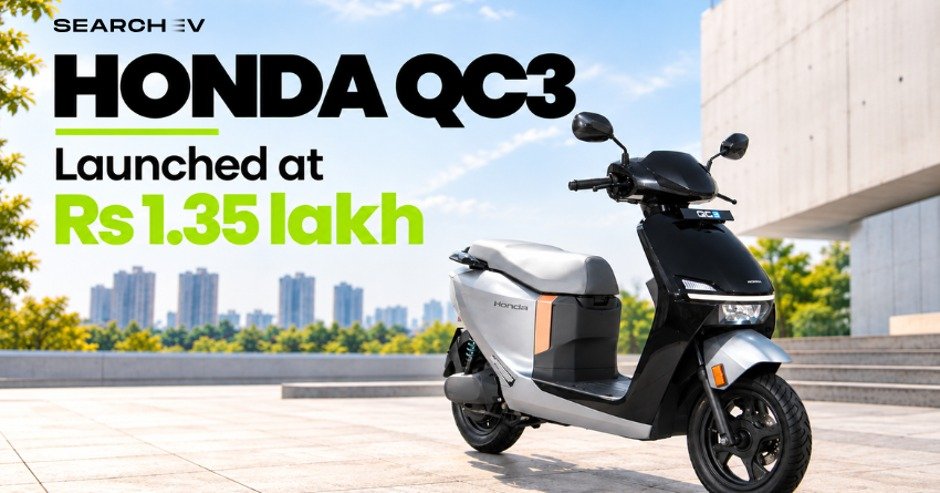
Honda has expanded its electric vehicle portfolio in India by launching the all-new Honda QC3 electric scooter. Priced at Rs 1.35 lakh ex-showroom in Delhi, this family-orientated scooter aims to tackle range anxiety and modern feature demands simultaneously, which were a letdown by the previous products, the Honda Activa e: and the Honda QC1.
By stepping up from its previous electric offerings, Honda is clearly targeting established rivals with a well-rounded mix of practicality, advanced technology, and usable riding range. Customers can currently book the scooter for a token amount of Rs 5,000 at their nearest RedWing dealerships.
Honda QC3 Battery and Range
The QC3 utilises a fixed 3 kWh battery pack. This fixed setup allows the scooter to deliver a competitive IDC-certified (Indian Driving Conditions) range of 145 km on a single charge. The battery goes from zero to 80 per cent in 2 hours and 40 minutes using a fast charger. A complete top-up from a standard home outlet takes approximately 4 hours.
Honda QC3 Design and Features
Honda opted for a modern minimalist design language for the QC3. The front apron houses a sleek LED headlight accompanied by a simple daytime running light (DRL) strip. The scooter rides on 12-inch alloy wheels at both ends, suspended by a conventional telescopic fork up front and twin shock absorbers at the rear. Braking duties are handled by a front disc and a rear drum setup supported by a Combined Braking System.
Technology takes center stage in the cockpit. Riders get a 5-inch TFT console equipped with Honda RoadSync. This system brings Bluetooth smartphone connectivity, turn-by-turn navigation, SMS alerts, and music controls directly to the screen. For daily utility, the scooter offers a massive 32 litres of underseat storage, keyless ignition, and a front USB charging port. Buyers can choose from four triple-tone paint schemes, which include Matt Photon Gray Metallic, Pearl Precious White, Pearl Shallow Blue, and Pearl Siren Blue.
Honda QC1 vs Honda QC3: Which One Should You Buy?
Before making a purchase decision, understanding how the QC3 stacks up against its smaller sibling is crucial. The QC1 serves as an entry-level commuter priced around Rs 90,000. It features a much smaller 1.5 kWh battery that offers only 80 kilometres of range and a restricted top speed of 50 km/h. It also lacks the advanced digital features and cavernous storage of the new model.
Buyers looking for a basic and highly affordable scooter for short neighbourhood grocery runs can find the QC1 perfectly adequate. However, for anything more, whether it is your daily commute that involves longer distances, fast-moving city traffic, and a need for navigation alongside ample storage space, the QC3 is the far superior choice. It is also the more value-for-money option currently. The premium paid for the QC3 brings a massive upgrade in battery capacity, a 145-kilometre range, a modern TFT display, and 32 litres of storage. This makes it the ideal primary vehicle for most households.
What Do We Think
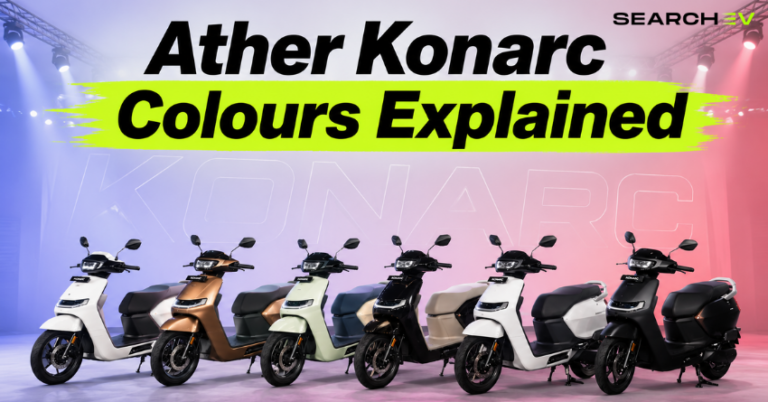
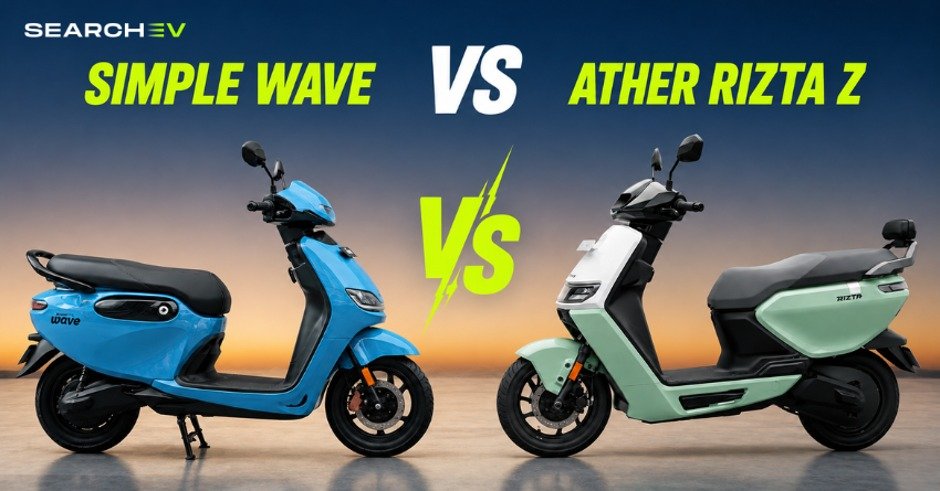
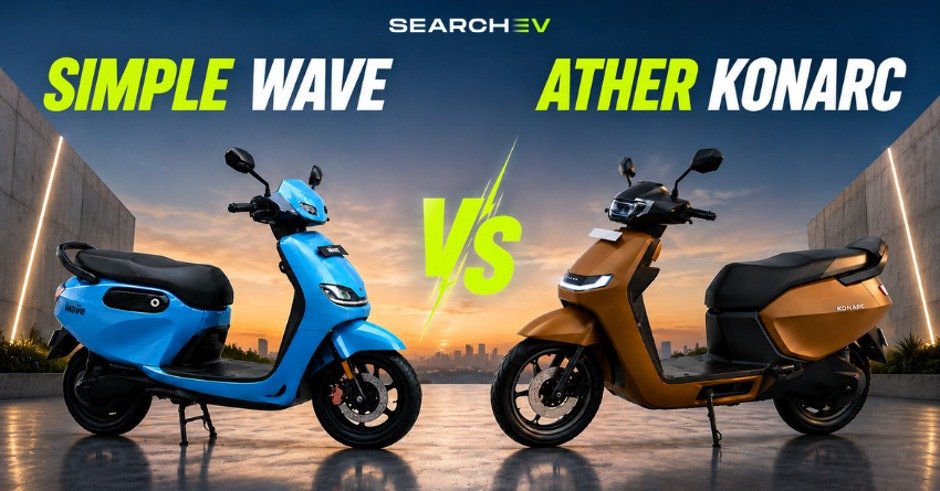
After the launch of the more-underwhelming options like the QC1 and Activa:E, the introduction of the Honda QC3 marks a more serious commitment from the Japanese manufacturer to dominate the Indian electric two-wheeler space. By offering a solid 145-kilometre range and modern connectivity features at Rs 1.35 lakh, Honda has crafted a machine that is actually ready to take on the established competition. Its primary rivals in the Indian market are the Ather Konarc, Ather Rizta, Ola S1 Pro, Simple Wave, Bajaj Chetak, and the TVS iQube.