Quick Reads
- Indian army to deploy silent electric bikes soon
- Low noise, and no significant heat signature, enhancing their
- Will be called ‘Silent Scouts’
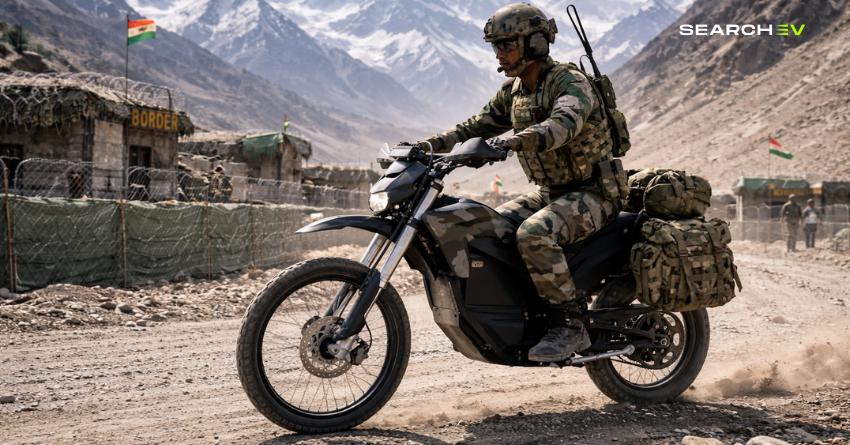
To make the frontline operations more stealthy, the Indian Army plans to deploy silent electric motorcycles on the frontline in sensitive zones and high-risk areas. These new-generation bikes will be called ‘Silent Scouts’ and will offer silent mobility, making them the perfect, nearly impossible-to-detect vehicles.
The tenders for these bikes closed in March 2026, hinting that the plan has entered its procurement stage rather than just being a concept. One tender specifies the requirements of two-wheelers for combat use, while the other one is for messenger bikes.
Earlier, an investment of Rs 175 crore was made by the army to deploy electric cars, buses and motorcycles across several peace stations. But the bikes will be one of the first electric vehicles to be deployed at the frontlines.
Why Electric Bikes?
Unlike conventional ICE (Internal Combustion Engine) bikes, which are powered by petrol or sometimes diesel engines, these electric bikes offer a significant tactical advantage. The near-silent operation and the minimal heat signature reduce the risk of being detected by enemies and make them harder to track, even with a thermal camera.
Also, these bikes make for perfect message transport vehicles in areas that require complete radio silence and physical message delivery where radio communication can be intercepted and compromised. Also, these motorcycles can help our soldiers in silent surveillance, changing positions fast without being detected and even patrolling the border. Also, the electric powertrain will make them suitable for movement in rough terrain with fast acceleration and quick manoeuvres. These bikes also eliminate the problems caused by low oxygen concentration, low pressure, and thin air at higher altitudes, which makes them a lot more capable.
Requirements For These Bikes
Apart from being stealthy, these electric bikes are meant to be capable enough for the difficult terrain our army works in. The Indian Army has asked vendors specifically for five years of lifecycle support for these bikes, ensuring effective functioning over the course of their usage.
Also, these bikes are supposed to carry soldiers with full tactical battle gear and communication devices that weigh around 120kg. This requirement also ensures that the bikes are function-focused rather than just troop carriers.
Apart from these, the army has also asked for the bikes to be fitted with V2L (vehicle-to-load) technology. This means that our soldiers can recharge or power their communication devices by plugging them into the motorcycles directly. Also, combat gear like night vision and other electronic devices can be charged directly from the bike, eliminating the need for spare batteries.
Our Opinion
We think this move highlights the practical use of electric vehicles, which is beyond civilian use and into the battlefield. This shift towards silent mobility also reduces our soldiers’ dependency on logistical fuel, which is hard to deliver in areas having bad or sometimes no roads.
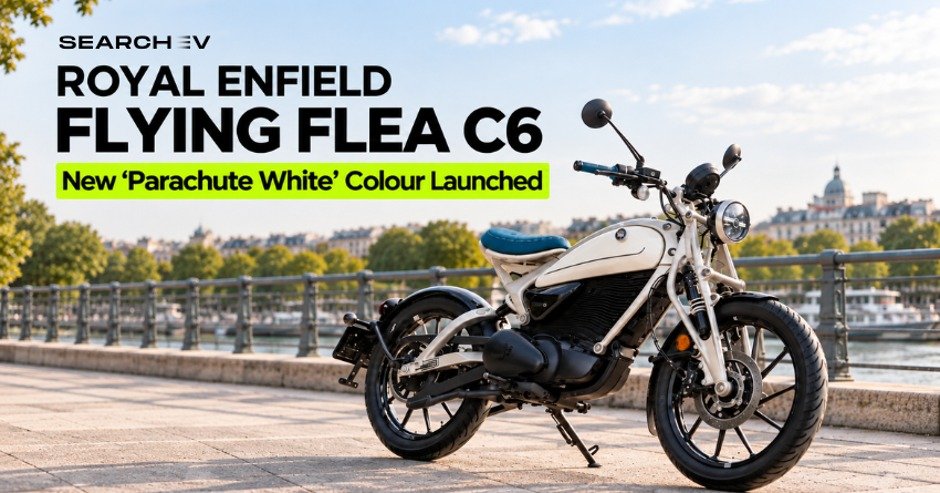
Also, Indian manufacturers like Royal Enfield have a significant presence in the army with models like the Royal Enfield Bullet 350. We could get to see the Flying Flea C6’s scrambler cousin – the Flying Flea S6, in the army. Apart from this, we could also see new bikes from brands like Hero, TVS and many more.
We think that with their silent nature and tactical advantages, these bikes could redefine how missions are carried out in future. Also, most of the time, defence vehicles are quite feature-packed and get innovative improvements, and some of them eventually do make their way into the civilian market. So, we also expect these improvements to be seen on Indian roads sometime in the future.