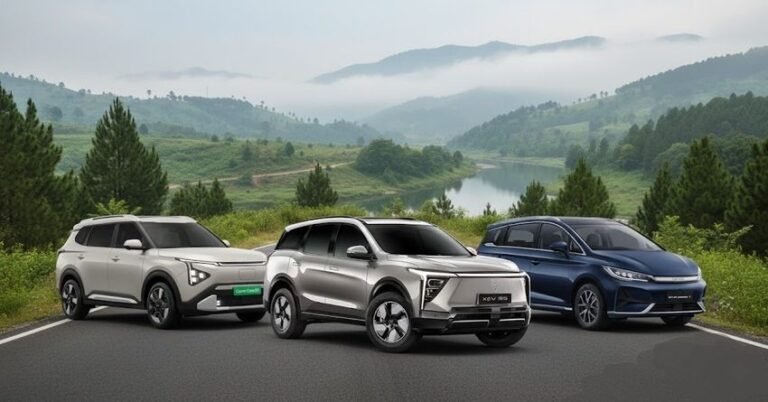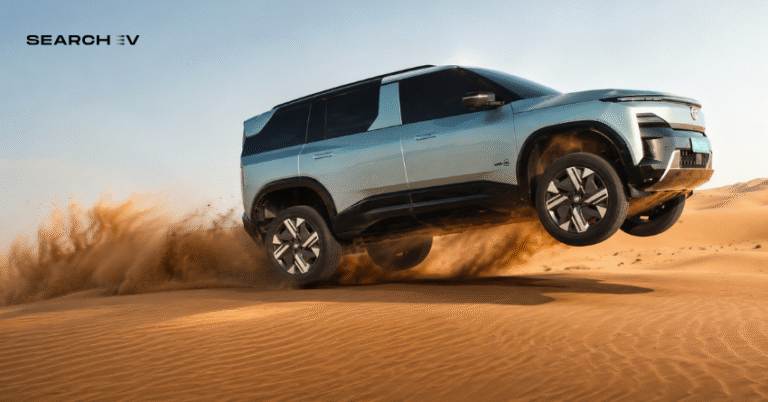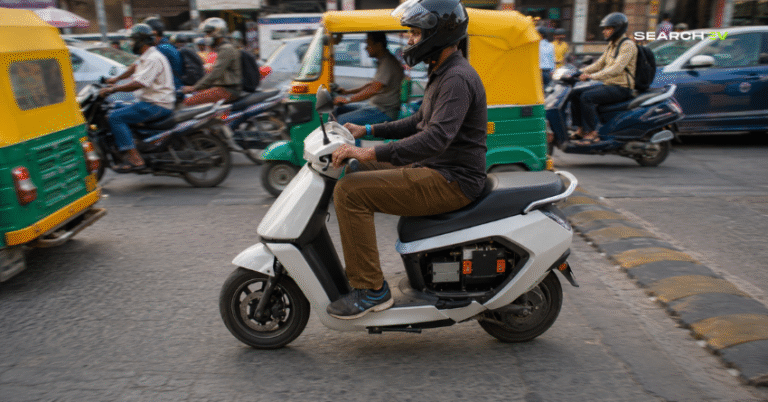
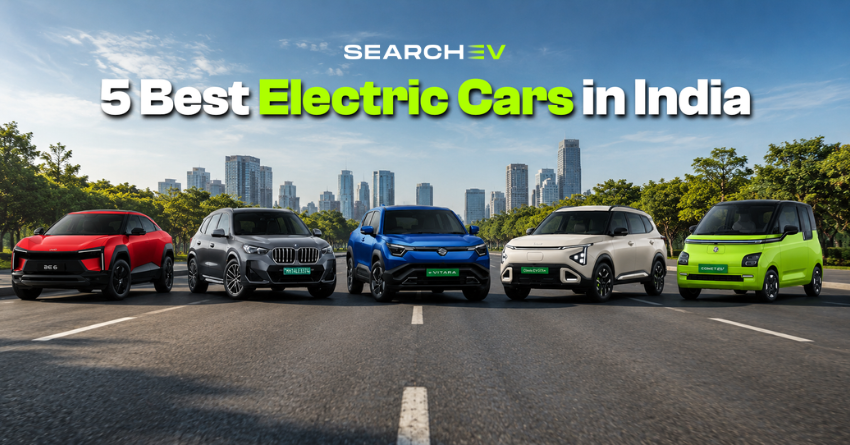
Whether you live in Old Delhi, which has narrow lanes, or are cruising the Mumbai-Pune Expressway, or have a large family that needs more space, there is an EV out there made for you. Here are our top 5 picks for the best electric cars in India for your daily commute in 2026.
MG Comet EV: The Urban Specialist
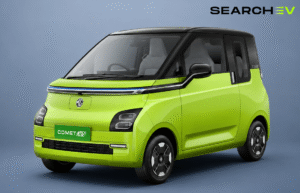
The MG Comet EV remains the most practical answer to India’s overcrowded city streets. While other manufacturers are building larger SUVs, MG has leaned into the “Big Inside, Small Outside” philosophy. It is designed for the person whose daily life involves tight U-turns and even tighter parking spots.
- Compact Agility: Its sub-3-metre length makes it shorter than even a Maruti Alto, allowing it to slip through traffic gaps that would leave other cars stranded.
- The Commute Factor: For a 30–40 km daily round trip, the Comet is unmatched. You don’t feel the fatigue of heavy steering or a bulky chassis.
- Cost Efficiency: With a small battery, it is one of the cheapest vehicles to “refuel” at home, costing less than a coffee for a full charge.
MG is also offering the Comet EV under their BaaS programme, which brings the upfront cost down to around just Rs 4.99 lakhs!
Cons for MG Comet
- Limited Versatility: Because of its tiny size and 2-door layout, it’s strictly a 4-seater. It cannot serve as your primary family car, especially since there is almost zero boot space when all seats are up.
- Highway Confidence: Its lightweight and small tyres make it feel nervous at higher speeds. It is strictly meant for the city and isn’t ideal for frequent highway runs or long-distance travel.
| Specification | MG Comet |
| Range (claimed) | 230km |
| Charging Time | 7 hours (0-100% via 3.3kW AC charger) |
| Length | 2,974 mm |
| Price | Rs 7.50 lakh – Rs 9.56 lakh |
Mahindra BE 6: The Speed Charger
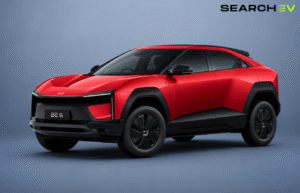
If you prioritisze cutting-edge design and the absolute latest in charging technology, the Mahindra BE 6 (part of the new “Born Electric” range) is the star of 2026. Built on the purpose-built INGLO platform, it is designed from the ground up to be a high-performance EV that respects your time. It represents the pinnacle of homegrown fast-charging capabilities.
- Ultra-Fast Charging: The BE 6 is engineered to handle high-capacity DC fast chargers. It supports up to 175kW charger, which takes about 20 minutes to charge it from 10% to 80%, making it one of the quickest in the segment.
- Futuristic Cockpit: The interior features a massive wrap-around digital console that looks more like a cockpit than a car dashboard, perfect for those who love a tech-heavy commute.
- Dynamic Performance: You get a rear-wheel-drive setup and the instant torque of an electric car, which turns your boring office drives into much more fun rides.
Cons for Mahindra BE6
- Polariszing Design: The “Born Electric” look is very aggressive and futuristic, and it can be a bit ‘too much’ for some buyers who prefer a classic, understated SUV look.
- Rear Seat Comfort: You can feel a bit cramped in the rear seat, thanks to the sloping roofline, which compromises on the headroom, especially for taller adults.
| Specification | Mahindra BE6 |
| Range (claimed) | Up to 500 km |
| Charging Time | ~20 mins (10-80% via DC Fast Charger) |
| Length | 4,371 mm |
| Price | Rs 18.90 lLakh – Rs 28.49 lLakh |
BMW iX1: The Premium Statement
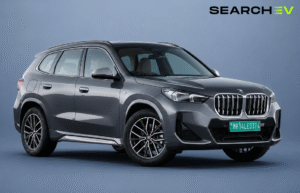
For those who want to transition to electric without losing the prestige of a luxury badge, the BMW iX1 is the gold standard. It is the perfect daily driver for the executive who wants a spirited driving experience in a package that is still manageable in city traffic.
- Driving Dynamics: True to BMW’s heritage, the iX1 is quick and responsive. It doesn’t feel like a heavy battery-on-wheels; it feels like a sports SUV.
- Curved Display: You will be greeted with BMW’s latest iDrive system with a stunning curved glass display that integrates navigation and media seamlessly.
- Compact Luxury: You get the premium feel that comes with BMW, especially the iX, but the compact size makes it much easier to navigate through the tough Indian traffic and roads.
Cons for BMW iX1
- Stiff Ride Quality: To maintain BMW’s sporty handling, the suspension is tuned on the firmer side. This means you’ll feel sharp bumps and potholes more clearly than in more comfort-oriented luxury cars.
- Fiddly Controls: Most physical buttons have been replaced by the touchscreen. Adjusting things like the air conditioning or fan speed while driving can be distracting and less intuitive than using a simple knob.
| Specification | BMW iX1 |
| Range (claimed) | 531 km |
| Charging Time | 30 mins (10-80% via 130kW DC) |
| Length | 4,500 mm |
| Price | Rs 49.90 lLakh |
Maruti Suzuki eVitara: The Reliability King
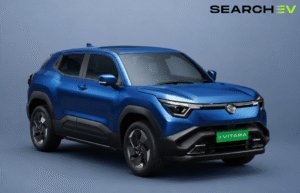
The Maruti Suzuki eVitara is perhaps the most significant EV launch for the “common man”. Its biggest selling point isn’t just the car itself, but the peace of mind that comes with it. And, not to forget, you’re never a few kilometeers away from help, thanks to Maruti Suzuki’s massive service network. This is what the Indian dads love about Maruti.
- Rugged Build: Maruti understands the Indian roads like no other, and this is why they have given you a higher ground clearance, and the suspension setup is also tuned to give you the best comfort.
- AWD Capability: It is one of the few EVs in its price bracket to offer an All-Wheel Drive (AWD) variant, making it capable of handling monsoon-flooded roads or light trails.
- Ease of Ownership: Because of the brand’s footprint, insurance and spare parts are readily available, keeping the long-term cost of ownership extremely low compared to imported rivals.
Cons of Maruti Suzuki eVitara
- Interior Materials: While practical and durable, the cabin doesn’t feel as “futuristic” or high-end as rivals like the Mahindra BE 6. You’ll find more hard plastics here than in other cars at this price point.
- Charging Speed: While reliable, its maximum DC charging speed is slightly lower than some competitors, meaning it might take a bit longer to top up during highway road trips.
| Specification | Maruti Suzuki eVitara |
| Range (claimed) | 426 km – 543 km |
| Charging Time | 45 mins (0-80% via 100 kW DC) |
| Length | 4,275 mm |
| Price | Starting at Rs 15.99 lLakh |
Kia Carens Clavis EV: The Family Favorite
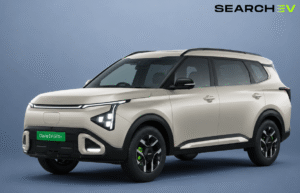
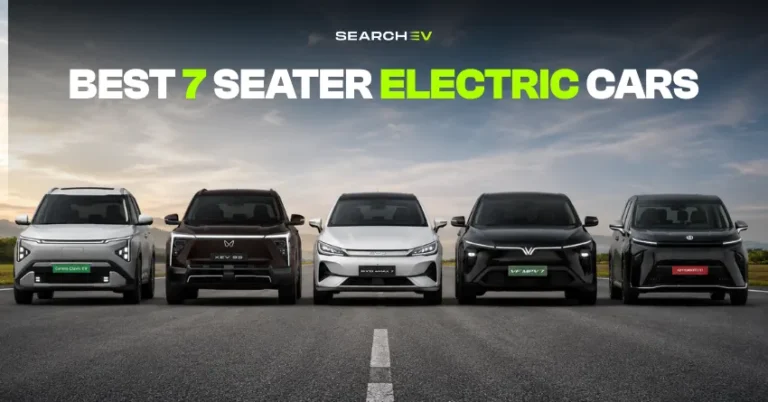
The Kia Carens Clavis EV is the ultimate solution for someone looking for a family car, those who needs to drive their kids to school and their parents to the doctor, all in one day. It is a dedicated 3-row electric vehicle that refuses to compromise on space or comfort.
- Three-Row Versatility: You can choose between a 6-seater (with captain seats) or a 7-seater configuration. The “One-Touch Electric Tumble” makes getting into the third row effortless for children and elderly passengers.
- Passenger Comfort: It features roof-mounted AC vents for every row, ensuring that even the passengers in the very back stay cool in the Indian summer.
- Storage options: Even with all seats in use, the Carens offers decent boot space, which expands significantly when the third row is folded down, perfect for those weekend grocery runs or school projects.
Cons for Kia Carens Clavis EV
- Real-World Range with Full Load: While the range is great for a solo driver, it can drop significantly when you have all seven seats occupied and the AC running on full blast for everyone.
- Large Footprint for City Parking: Unlike the MG Comet, this is a long vehicle. Finding a parking spot for a 3-row MPV in crowded market areas or tight residential lanes can be a bit of a struggle.
| Specification | Kia Carens Clavis EV |
| Range (claimed) | 490 km |
| Charging Time | 39 mins (10-80% via 100kW DC) |
| Length | 4,550 mm |
| Price | Rs 17.99 lLakh – Rs 24.99 lLakh |
How to Choose the Right EV for Your Commute?
Choosing an EV in 2026 is about more than just the price tag. Here are three things you should consider before buying:
- Your Daily “Actual” Mileage: Most Indians commute less than 50 km a day. If you fall into this category, a car like the MG Comet is more than enough. However, if you frequently travel between cities or have a long office run from the suburbs, the 500+ km range of the Mahindra BE 6 or BMW iX1 becomes essential.
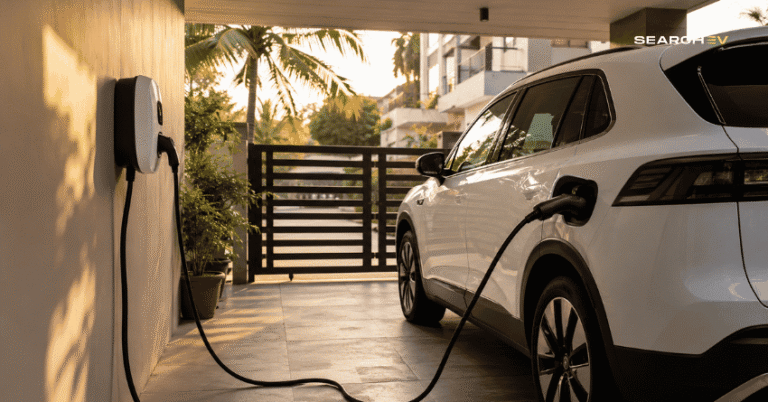
- Home Charging vs. Public Charging: If you live in an apartment with a dedicated parking spot, you can install a charger. This makes the “Charging Time” spec less relevant as the car recharges while you sleep. If you rely on public chargers, prioritisze cars with high-speed DC charging capabilities like the Mahindra BE 6.
- Resale and Service: While EVs have fewer moving parts than petrol cars, they still need maintenance. A brand with a wide footprint, like Maruti Suzuki or Kia, will always have a higher resale value and easier access to spare parts in the long run.