
The lure of switching to electric vehicles started with massive savings in running costs and zero tailpipe emissions but has now moved to consumers realising their near-silent operation, instant performance, and level of technology that was once reserved for premium segments.
In India, the sub-Rs 20 lakh category is the one with some serious action happening. Popular models such as the MG Windsor EV have demonstrated that buyers are increasingly willing to make the switch when the right balance of price, practicality, range, and features is on offer.
Let’s have a look at the top five upcoming electric cars in India under Rs 20 lakh that could prove to be a gamechanger.
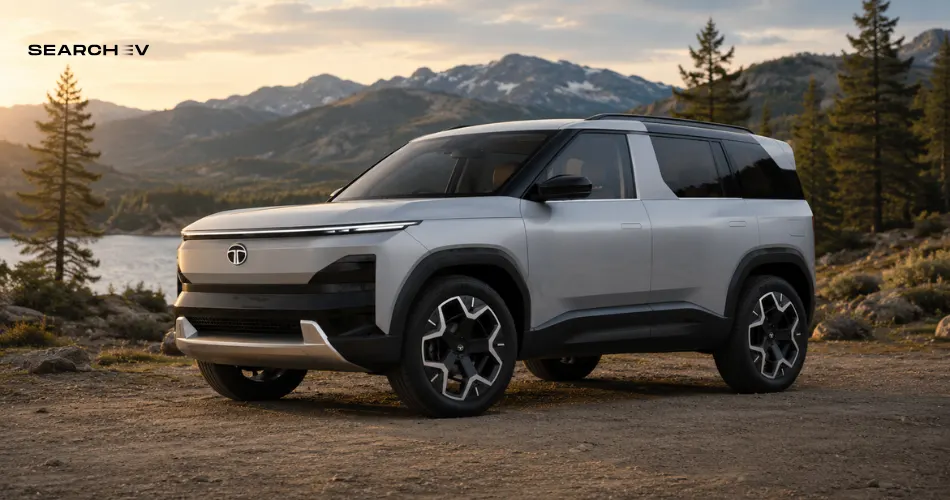
Tata Sierra EV
Expected Price: Rs 19 lakh to Rs 25 lakh (ex-showroom)
Expected Launch Date: Q2 FY 2027
Key Highlights
- Battery and Range: The Tata Sierra EV is expected to come with a 55 kWh battery pack, resulting in a claimed range of around 500 km on a full charge. Higher variants could get a larger 65 kWh battery pack.
- Performance: Tata is widely expected to equip the higher battery variants with a dual-motor, All-Wheel Drive (AWD) setup
- Architecture: The Sierra EV will be built on Tata’s dedicated Acti.EV+ electric skateboard platform.
- Tech: The cabin will feature a triple-screen layout, including a 10.25-inch digital driver display, a 12.3-inch central infotainment unit, and a dedicated passenger screen. It will also feature Level 2 ADAS, a 360-degree camera, and Vehicle-to-Load (V2L) technology.
Overview
The Sierra nameplate is making a comeback, and it is one of Tata Motors’ most awaited launches in recent years. While the ICE-powered Sierra has already entered the market, the all-electric version is soon expected to debut. Tata Motors has confirmed that the Sierra EV will arrive during the second quarter of FY2027.
The exterior of the Sierra EV retains the iconic 90s boxy silhouette and signature “Alpine” wrap-around rear glass, alongside EV-specific elements like a closed-off front fascia, LED light bars, and aerodynamic alloy wheel design.
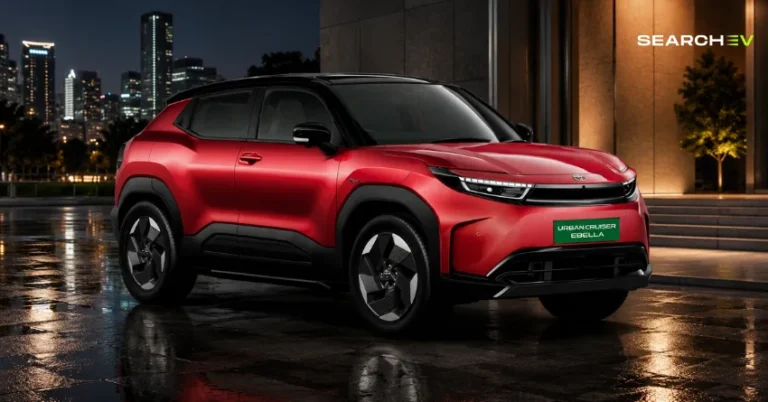
It will go head-to-head with rivals, including the Hyundai Creta Electric, Toyota Urban Cruiser Ebella, Vinfast VF6, and Mahindra’s BE lineup.
To avoid internal cannibalisation, Tata Motors recently repositioned the Curvv EV, slashing prices and introducing Series X trims to vacate the premium Rs 19 to 25 lakh corridor. The company may also introduce a Battery-as-a-Service (BaaS) option to aggressively lower upfront costs, leaning on the Sierra to secure absolute dominance in the premium bracket before the rollout of its high-end Avinya brand.
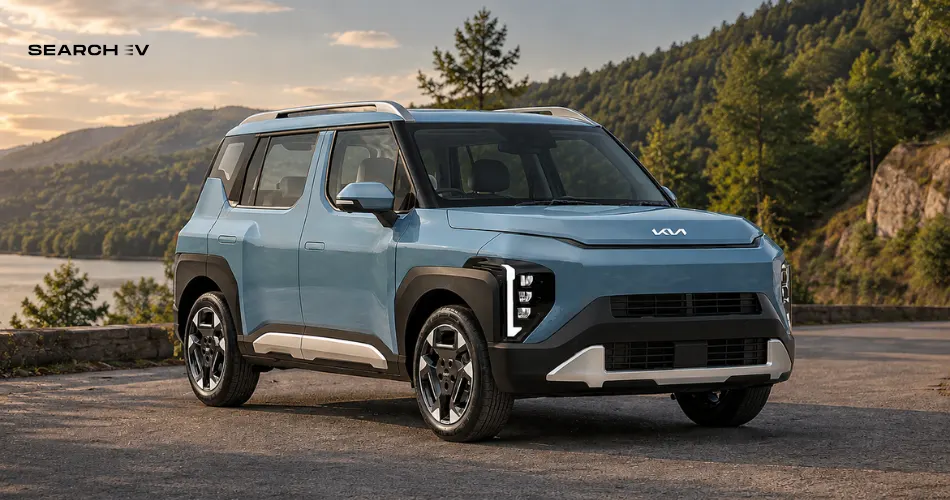
Kia Syros EV
Expected Price: Rs 14 lakh to Rs 18 lakh (ex-showroom)
Expected Launch Date: July 2026
Key Highlights
- Battery and Range: Expected to be offered with a standard 42 kWh battery pack, with a potential 49 kWh long-range option. It aims for a claimed range of 350-400 km.
- Powertrain and Platform: Will be built on the localised version of the K1 platform (shared with models like the Hyundai Inster EV), featuring a front-wheel-drive setup.
- Exterior Design: The EV will retain the tallboy, upright proportions of its internal combustion engine (ICE) version to maximise cabin space.
- Interior and Tech: The Syros EV will be loaded with features including a dual 12.3-inch screen setup (digital instrument cluster and infotainment). Other premium highlights include a panoramic sunroof, a 360-degree camera, a built-in dashcam, sliding rear seats with ventilation, Vehicle-to-Load (V2L) functionality, and a comprehensive Level 2 ADAS suite.
Overview
Confirmed for a July 2026 debut, the Syros EV is a strong push by Kia to get a hold of the mass-market electric segment in India, especially going against the likes of Tata Nexon EV, Mahindra XUV 3XO EV, and MG Windsor EV.
The Syros EV will be Kia’s second locally manufactured EV, produced at its Anantapur facility in Andhra Pradesh. This localisation is aimed at maintaining strict cost efficiency and aggressive pricing. While prices will be aggressive, the Syros EV will be benefitting from a premium cabin loaded with niceties, in line with the Kia brand expectations.
Mahindra Thar.e

Expected Price: Rs 20 lakh to Rs 25 lakh (ex-showroom)
Expected Launch Date: Late 2026 or Early 2027
Key Highlights
- Battery and Range: Likely to have a battery pack capacity between 60 kWh and 80 kWh, delivering a real-world driving range of 350 to 450 km on a single charge, to avoid any range anxiety during off-road excursions.
- Platform Architecture: The Thar.e completely forgoes its old-school ladder-frame chassis. It will be built on Mahindra’s dedicated INGLO-P1 EV platform, with a practical 5-door SUV body style.
- Off-Road DNA:
- The Thar.e will continue to offer strong off-road credentials. A high ground clearance of up to 300 mm, AWD, chunky all-terrain tires, and durable skid plates seem to be in the works
- Design and Styling: The new Thar.e will debut with an absolutely new design language, carrying a retro-futuristic theme.
Overview
The upcoming Thar.e is one of the most important launches for Mahindra’s electric division, reinventing the brand’s most iconic 4×4 lineage for the zero-emission era. First showcased as a concept in Cape Town in August 2023, the vehicle is now steadily marching toward a production-ready reality. The plug will be soon pulled on the internal combustion exclusivity for its flagship lifestyle SUV.
Due to its advanced electric drivetrain, 5-door dimensions, and sophisticated EV platform, the Thar.e will sit significantly higher on the price ladder than its ICE counterpart. When launched, the Thar.e will rival the Tata Harrier EV AWD version on price. However, the Thar will have a much stronger focus on off-road capability.
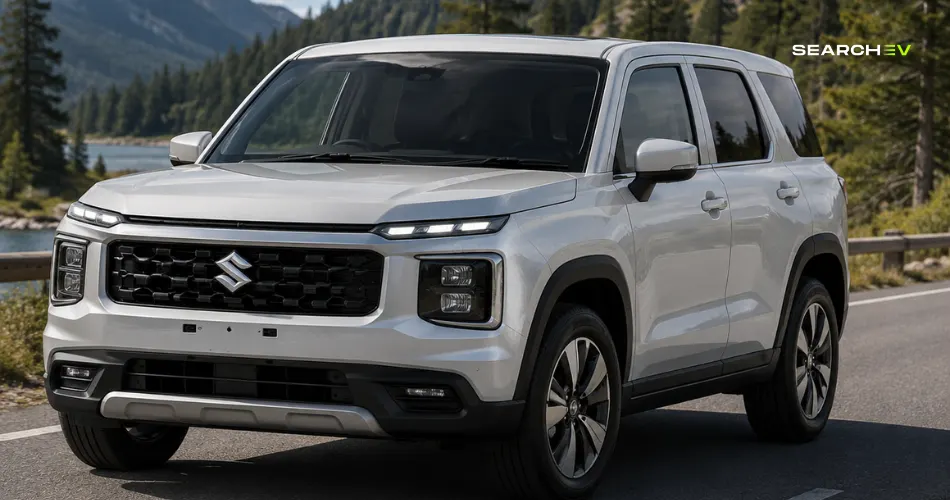
Maruti Suzuki YMC (Three-Row EV)
Expected Price: Rs 18 lakh to Rs 25 lakh (Expected to be priced competitively against mid-size electric MPVs)
Expected Launch Date: Global debut by late 2026, with a market launch in 2027
Key Highlights
- Battery and Range: The YMC will borrow its battery options directly from the e-Vitara. Buyers can expect a 49 kWh LFP pack for entry-level variants and a larger 61.1 kWh unit for higher variants. The maximum claimed range is expected to sit slightly below the e-Vitara’s 543 km figure because of the added weight.
- Platform Architecture: The maruti MPV will be built on the same dedicated born-EV platform as the e Vitara. This will also serve as the foundation for a future Toyota-badged derivative.
- Design and Styling: Measuring roughly 4.5 metres in length, the YMC features a boxy silhouette with upright front and rear sections specifically designed to maximise third-row headroom.
Overview
Fresh off the rollout of the e-Vitara, Maruti Suzuki is rapidly advancing its “Vision 3.0” electrification strategy with its first all-electric, three-row MPV, internally codenamed YMC. Recently spotted undergoing road tests, the vehicle confirms that India’s largest automaker is preparing to transition its historic dominance in the MPV sector (built on the Ertiga and XL6) into the electric mobility segment.
The YMC’s extended rear quarter glass and long roofline suggest a vehicle built strictly for passenger comfort and family hauling. When it eventually arrives on the market in 2027, the YMC will directly challenge electric people-movers, positioning itself as a practical, family-oriented alternative to the Kia Carens Clavis EV or a more accessible option against the high-end Mahindra XEV 9S.
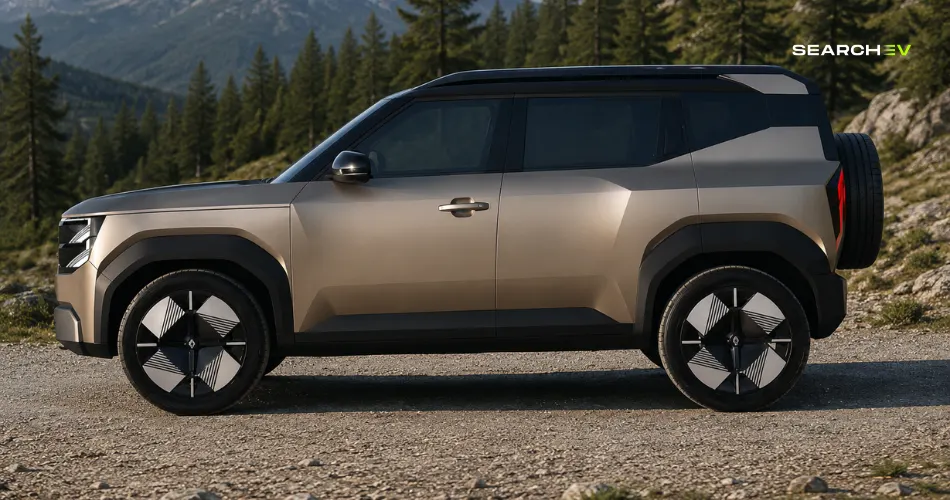
Renault Bridger EV
Expected Price: Rs 9 lakh to Rs 14 lakh (ex-showroom)
Expected Launch Date: Late 2027
Key Highlights
- Battery and Range: Battery capacity can be anywhere between 35-55 kWh, targeting an estimated driving range of up to 500 km. DC fast charging will be supported.
- Platform and Architecture: It will be based on the RGMP (Renault Group Modular Platform) architecture, which has been highly localised for the Indian market.
- Rugged Design Language: The Bridger EV will carry a distinctly boxy, Defender-like silhouette. It incorporates a flat front fascia with illuminated ‘RENAULT’ lettering, sharp LED DRLs, flared wheel arches with heavy cladding, and a segment-unique tailgate-mounted spare wheel.
Overview
Mass-market french carmakers like Renault have been missing out on the growing electric car market in India. This is expected to change with the Renault Bridger EV. Preceded by its internal combustion counterpart, the Bridger EV represents a core component of Renault’s “FutuREady” strategic roadmap. By designing and engineering the SUV heavily around Indian consumer preferences and manufacturing it at the Chennai facility, Renault is aiming for aggressive localised pricing.
What sets the Bridger apart in a crowded sub-four-metre segment is its uncompromised, off-road-inspired visual identity combined with high ground clearance. Once it hits the market, it will inject a highly differentiated, tough-looking alternative into an arena currently dominated by the Tata Nexon EV, Tata Punch EV, and Mahindra XUV 3XO.