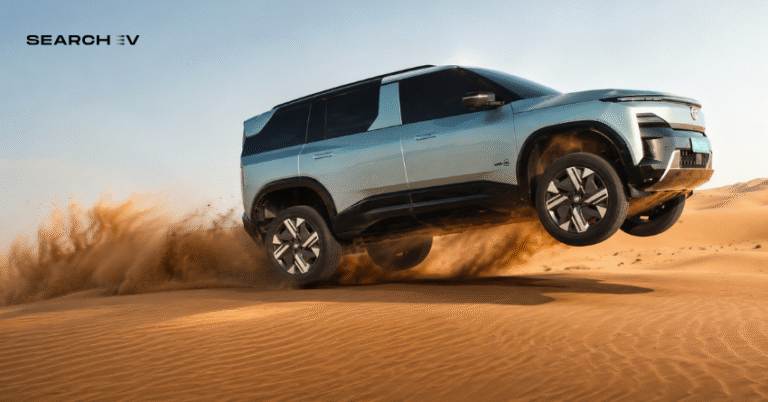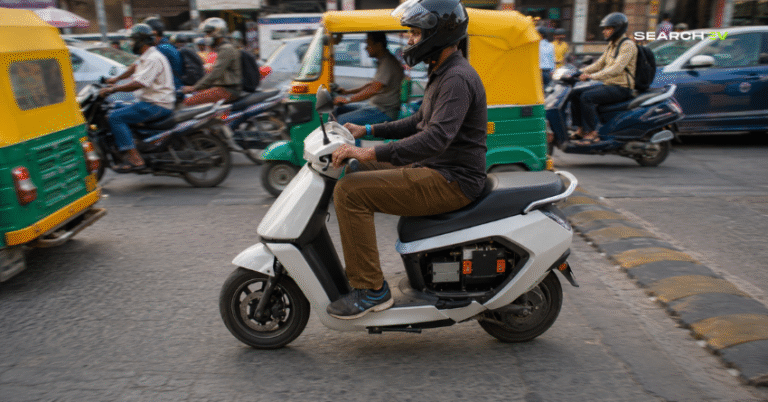
Driven by the increasing fuel prices, the rate of adoption of electric passenger cars is growing steadily, considering them as the next best alternative to traditional petrol and diesel-powered vehicles in India. In 2026, the passenger car mass market sees significant electric vehicle penetration. India’s major regional EV sectors are seen climbing past the sales ratings of traditional internal combustion engine (ICE) cars.
Moreover, for an everyday car buyer, considering the switch from ICE vehicles to EVs is no longer seen as a futuristic concept of adoption. That said, there are many other factors that need careful consideration by customers for long-term benefits. The ongoing infrastructure needs and higher financial requirements are to be considered before purchasing an EV. Weighing them, here are the pros and cons of buying an EV:
The Pros | Why Is India Focused On EVs?
1. Lower Running Expenses:
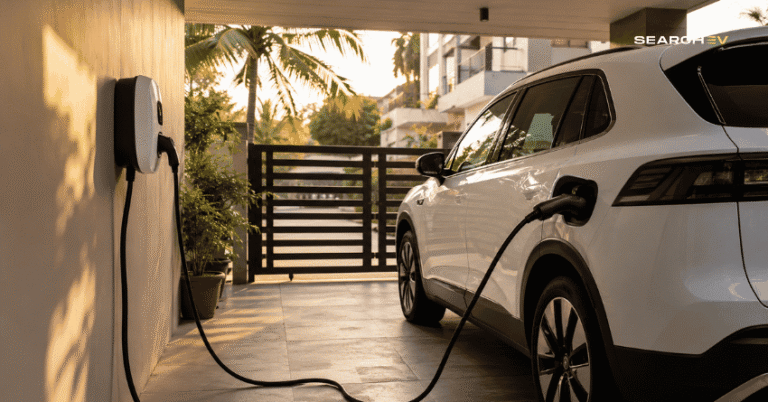
The main reason for the higher adoption of electric cars in 2026 is the lower total cost of ownership (TCO) or running costs in comparison to a petrol or diesel-powered car. The rising fuel costs mean the running fuel expenditures of ICE cars would burn a hole through the pocket. The per-kilometre costs of using an ICE car are around Rs 6 to Rs 9 per kilometre. In comparison, charging an electric car using a home charger averages roughly around Rs 0.80 to Rs 1.20 per kilometre.
This simply means that using an electric car for daily commutes in city driving environments covering over 50 km would require lower expenditures, ensuring higher monthly savings.
2. Lower Maintenance Requirements:
ICE cars come with the burden of servicing multiple complex mechanical components. During periodic services, ICE car owners require services for changing engine oil, spark plugs, cabin filters, and air filters. These recurring costs add up over time, alongside rising labour charges as the vehicle ages.
On the other hand, electric cars come with fewer complex mechanical components than ICE cars, which require services which can add up to huge amounts. Better said, EV owners do not require multiple engine-related workshop trips; this translates to 40 percent lesser service costs. Additionally, with a regenerative braking system in EVs, parts like brakes run longer with less wear.
4. Better Torque And Acceleration:
Electric cars offer better instant torque production from a standstill than ICE cars, which require an rpm bandwidth to generate enough torque. Unlike petrol or diesel cars that need to build engine revs (RPM or Revolutions Per Minute) to deliver peak performance, an electric motor unleashes 100 percent of its torque instantly. EVs do not need the engine-related mechanical process, as mentioned.
5. Low Noise And Smoother Performance:
Unlike an ICE car, electric cars do not have an engine that creates vibrations and noise; this means smoother operation with lower noise generation. This factor plays a key role in reducing the noise, vibration and harshness (NVH) levels in EVs in comparison to ICE cars. The seamless performance makes it an ideal solution for reducing noise pollution in urban environments.
6. Zero Tailpipe Emissions:
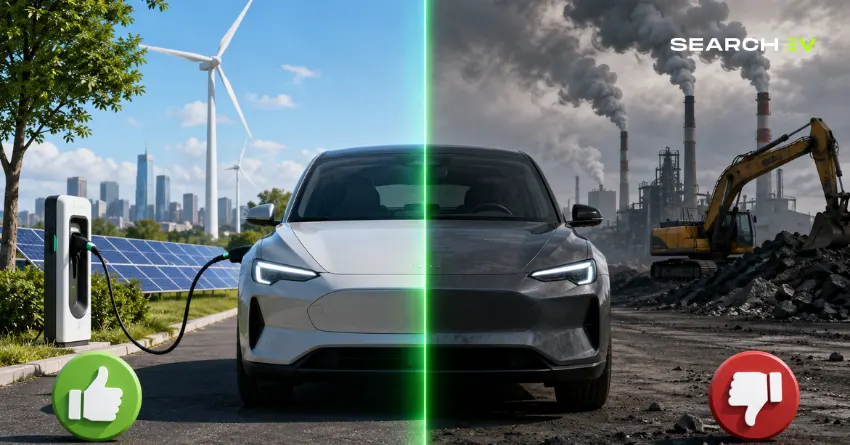
Electric vehicles produce zero emissions since they are powered by a battery and an electric motor. This plays a significant role in reducing air pollution, especially in metros like Delhi. EVs help reduce pollution and contribute to improving air quality in cities, school zones, and other places that are densely populated, replacing ICE cars.
The Cons | Roadblocks Affecting EV Adoption
1. Higher Upfront Costs:
While electric cars are ideal for reducing fuel expenditures over the long run, the upfront cost of buying an EV is significantly higher, since it is an advanced technology, than ICE vehicles. Prices for smaller electric cars start from Rs 6 lakh onwards. While this premium can drive away buyers, over a period of time, this amount can be recovered, according to manufacturers.
2. Requirement For More Charging Stations:
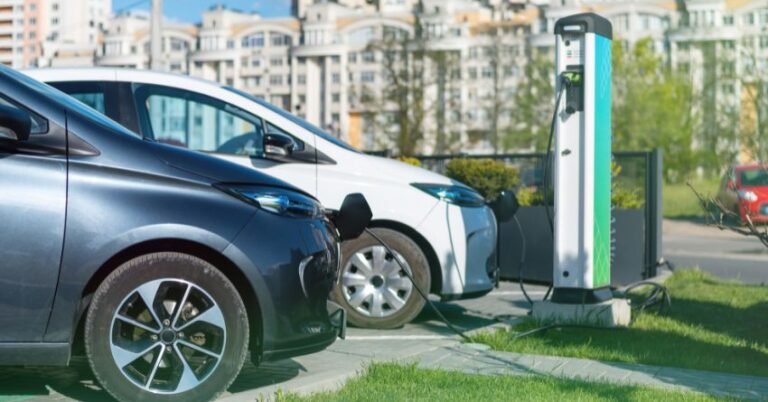
The next big concern is the need for more charging stations across India. While EV charging infrastructure is expanding near national highways and tier-1 cities, the EV charging network is fragmented across tier-2 cities and tier-3 towns in the country. Also, in apartments, setting up a charging outlet is a challenge due to logistics and the increasing concerns over parking spaces.
3. Long-Term Battery Concerns:
While range anxiety is slowly reducing in India, the present challenge with electric cars is the higher battery replacement costs incurred. Batteries cost roughly 40-50 percent of the car’s value. While modern liquid-cooled batteries handle Indian summers well, the lack of a mature used-EV market makes estimating long-term resale value a challenge for early adopters.
Conclusion: Should You Get An Electric Car Or Not?
If you have a dedicated EV home charging space, daily commutes involve driving around 40-50 kms within predictable city routes (knowing where to recharge the car), then an electric car is for you. That said, if your lifestyle requirements involve long-distance journeys, using an electric car can become a bit difficult, knowing that you need to plan effectively where charging stations are along the route.