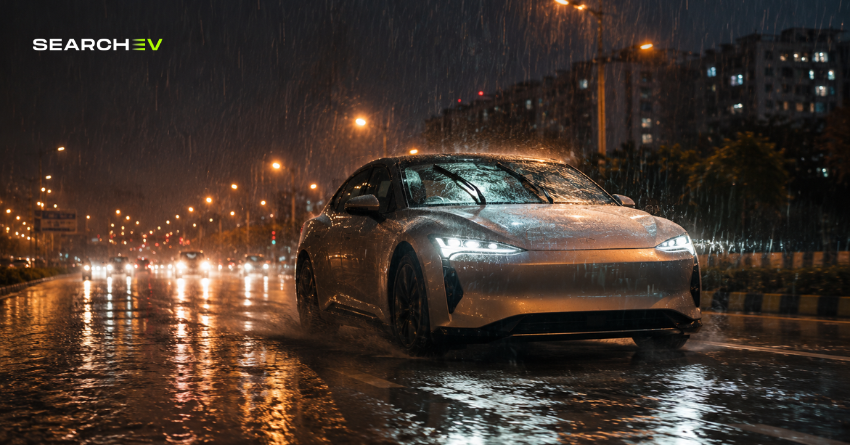
The first proper rain of the season feels great. Until you’re navigating a waterlogged street in Bengaluru at 8am, water creeping up around the wheels, wondering if you’ve just made a very expensive mistake.
Here’s the thing — you probably haven’t. Modern electric vehicles handle Indian monsoons far better than most owners assume. But a few careless habits during the rainy season can cause damage that simply didn’t need to happen.
No fluff — just what you need to know before the rains properly set in.
First, Understand What Your Vehicle Is Rated For
Check the IP rating on your vehicle’s battery and motor. Most owners never look at this, but it’s the single most important spec for monsoon season.
IP stands for Ingress Protection. For any electric vehicle in India, you want IP67 at minimum on the battery and drivetrain. IP67 means those components can handle submersion in up to one metre of water for 30 minutes — so rain, splashes, and shallow puddles are not a problem. Check your owner’s manual to confirm your vehicle’s rating.
What IP67 does not mean: driving through a genuinely flooded road. No rating protects against sustained deep-water exposure.
1. Avoid Waterlogged Roads
This is the most important tip — and the one people ignore most because going around takes longer.
Every electrical component in your EV is well-sealed, but none of it is designed for moving floodwater. If the road ahead is flooded and you can’t clearly see the surface, don’t go through it.
The damage often isn’t immediate either. Water getting into connectors or wiring causes corrosion that shows up weeks later as an unexplained fault. Not worth saving five minutes.
2. Charging in Monsoon — Get This Right
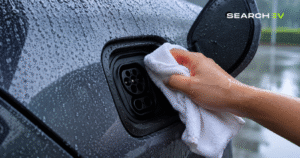
This is where things get genuinely dangerous if you’re careless.
- Never charge with wet hands or a wet charging port. After a rainy ride, wipe down the port with a dry cloth before plugging in. Every single time.
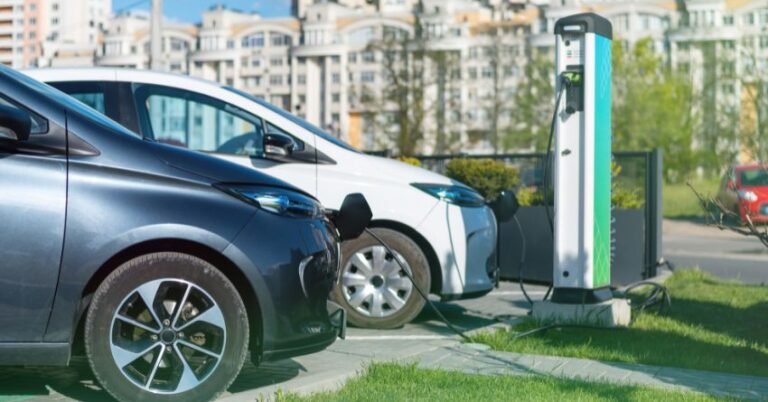
- Don’t charge outdoors in the rain. Your home charger needs to be under a covered area — garage, porch, or staircase overhang. If the charger gets wet during a storm, stop using it and get it inspected first. A compromised charger can short circuit — both a safety hazard and a guaranteed way to damage the battery.
- Always close the charging flap after every session. Easy habit to skip when you’re in a hurry. An open port in heavy rain is an open invitation for water damage.
- Skip uncovered public charging stations in heavy rain. If there’s no roof over the charger, find one that does.
3. Wipe Down After Every Wet Ride
Three minutes after a rainy ride prevents a much bigger problem later.
Wipe the vehicle with a dry cloth — around the charging port, bolts, frame joints, and any visible connectors. Standing water in these spots causes corrosion over time, even on well-rated vehicles. The IP rating keeps water out of internal components — it doesn’t stop surface rust from sitting moisture outside.
If you went through a bad stretch — deep puddles or flooded roads — listen for any unusual sounds the next time you start up. Catch something early and it’s a quick service visit. Leave it a few weeks and it could be considerably more.
4. Check Your Tyres Before the Season Starts
Electric vehicles are heavier than equivalent petrol vehicles. On wet roads, that extra weight directly affects braking distance and handling.
Check tyre tread depth before monsoon begins. A tyre that was fine in March can be a genuine risk on consistently wet June roads. Check pressure regularly too — temperature swings during monsoon cause fluctuations, and under-inflated tyres on slippery roads are a handling problem.
One more thing: regenerative braking behaves differently on wet surfaces. Lift off the accelerator gradually in rain rather than abruptly — sudden regen deceleration on a slick road can catch you off guard.
5. Don’t Underestimate Humidity
Monsoon isn’t just rain — it’s months of sustained humidity, and humidity reaches places direct rain doesn’t.
Electrical connectors, charging ports, and wiring joints are all susceptible to moisture ingress over time. A water-resistant spray on exposed connectors — the type used for marine electronics — adds solid seasonal protection. A few hundred rupees at any auto parts store, ten minutes to apply.
Watch your brakes too. Regenerative braking handles most daily deceleration, so physical brake pads get used far less. Light surface rust can develop on disc rotors after overnight parking in high humidity — this is normal and clears after a couple of brake applications. If it doesn’t clear, get it checked.
6. Park Under Cover Every Day
Covered parking during monsoon reduces cumulative humidity exposure over three to four months — not just direct rain. If you have access to covered parking, use it daily without exception.
No covered parking? A good quality waterproof vehicle cover is a worthwhile investment before the season starts. The protection it provides overnight adds up significantly over a full monsoon season.
The Bottom Line
Your electric vehicle is not fragile. With the right habits it handles four months of Indian monsoon without drama.
The things that actually cause damage aren’t the rain itself — it’s charging with wet ports, pushing through flooded roads, and skipping the wipe-down after wet rides. Get those three things right, and the rest is just normal monsoon driving.
Stay on top of every EV ownership tip and safety guide — SearchEV covers what actually matters for Indian EV owners.