Delhi is planning a new phase of its electric mobility strategy with the upcoming EV Policy 2.0, which is expected to introduce a structured system for handling used electric-vehicle batteries. As the number of EVs on the city’s roads continues to grow, officials are exploring ways to responsibly manage future battery waste and ensure recycling becomes a key part of the EV ecosystem.
The proposed policy may place the Delhi Pollution Control Committee (DPCC) at the centre of this effort, with the agency likely to supervise the collection, storage, and recycling of end-of-life EV batteries. By building a proper recycling framework early, the government aims to support long-term EV adoption while preventing environmental issues related to battery disposal.
Focus On Managing Future Battery Waste
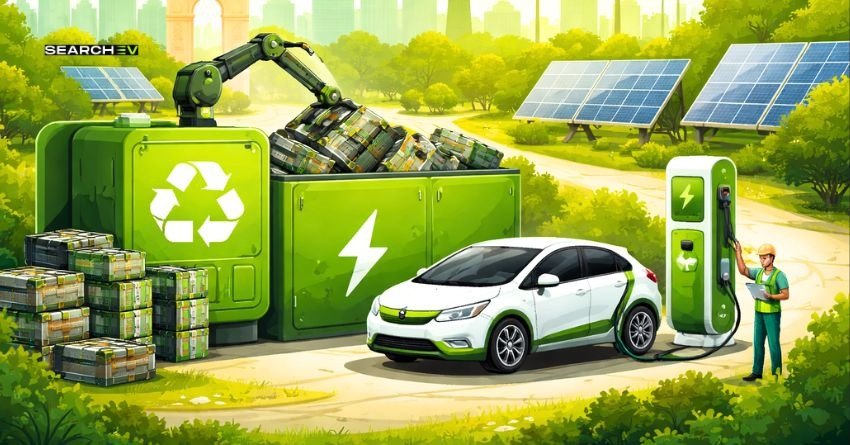
The move comes at a time when electric vehicles are becoming more common on Delhi’s roads. As EV adoption increases, officials expect battery waste to rise as well. An electric car battery typically needs replacement after around 10 to 12 years, which means the city will eventually have to deal with a large number of used batteries. Because of this, authorities are looking to put in place proper systems for their safe collection and recycling. The plan includes establishing battery collection systems and recycling facilities, and developing procedures that guarantee safe handling and processing of used batteries.
Possible Incentives Under EV Policy 2.0
Delhi’s current EV policy was first introduced in August 2020 and has since been extended multiple times. The policy is scheduled to expire at the end of this month.
Officials indicate that the government is likely to unveil EV Policy 2.0 during the upcoming Delhi Legislative Assembly budget session, which is expected to begin in the fourth week of March.
The new policy is also expected to include several steps to encourage more people to switch to electric vehicles. Officials say the proposals under discussion include exemptions from road tax and registration fees for electric and strong hybrid cars priced below ₹30 lakh. The policy can also include incentives for electric two-wheelers and plans to expand battery-swapping infrastructure. The city will establish special mobility zones to promote the use of environmentally friendly transportation methods. The initiatives will make electric vehicles suitable for everyday use while they help reduce Delhi’s pollution levels.
Battery Collection & Recycling Plans
The Delhi Environment Department will control all processes related to the disposal of electric vehicle batteries within the proposed system. All vehicle manufacturers and responsible parties must comply with the requirements of the Battery Waste Management Rules 2022.
They will also have to meet Extended Producer Responsibility (EPR) requirements and provide the required reports on battery collection, disposal, and recycling.
The draft policy also suggests establishing battery collection centres throughout the city of Delhi as a public-private partnership (PPP). The centres will collaborate with licensed recyclers and accredited organisations to receive used EV batteries and transfer them to the accredited organisations for safe recycling.
Expansion Of Charging Infrastructure
The government will ensure a network of electric-vehicle charging stations across Delhi, including both public and private stations. The idea is simple: if charging is easier to find, more people can feel comfortable choosing electric vehicles.
Officials also said that the Delhi Pollution Control Committee (DPCC) will prepare standard operating procedures (SOPs) for handling used batteries. These will explain how batteries should be collected, stored, transported, and eventually sent to authorised recyclers or producer responsibility organisations. The framework is meant to ensure that, as electric vehicles become more common in Delhi, there is also a clear system in place to handle used batteries safely.