Every month there’s a new EV launch in India. New name, new range claim, new “game-changing” battery. It gets tiring to keep up.
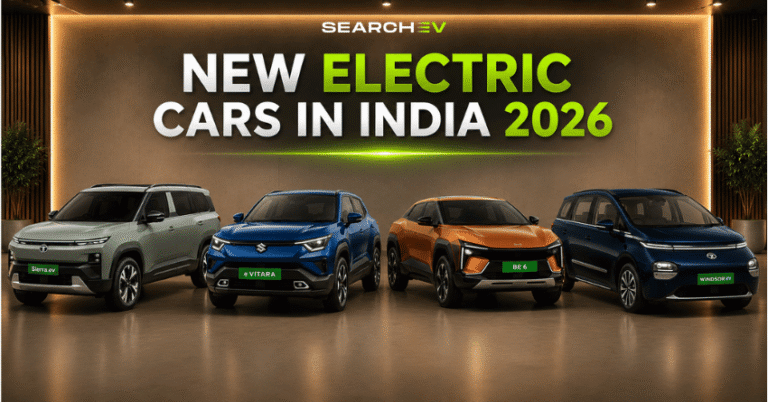
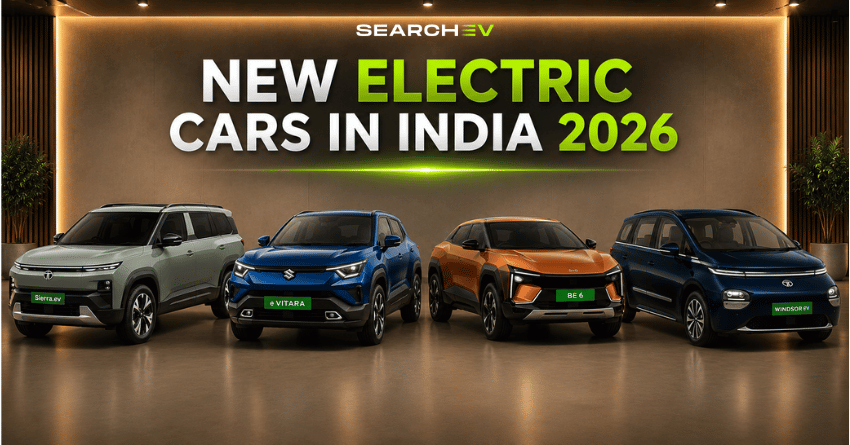
So here’s the honest version. No fluff, no marketing lines copied from press releases. Just 8 electric cars that have actually launched or are about to launch in India in 2026, what they’re good for, and who should think twice before buying one.
If you’re cross-shopping EVs right now, this list should save you a few showroom visits.
Quick Comparison Table
| Car | Price (Ex-showroom) | Real-World Range | Best Suited For |
| Tata Tiago EV | Rs 6.99 Lakh onwards | 160–215 km | First-time EV buyer, city-only use |
| Tata Punch EV | Rs 9.69 Lakh onwards | 260–355 km | Small family, daily office commute |
| MG Windsor EV | Rs 14.10 Lakh onwards (Rs 9.99 Lakh with BaaS) | 260–350 km | Buyers who don’t want big upfront cost |
| Hyundai Creta Electric | Rs 18.03 Lakh onwards | 350–450 km | Mid-size SUV buyer moving from petrol |
| Maruti e Vitara | Rs 15.99 Lakh onwards | 350–450 km | Maruti loyalists wanting long range |
| Mahindra BE 6 | Rs 18.90 Lakh onwards | 450–550 km | Buyers who want both performance and range |
| Tata Sierra EV | Rs 18.79 Lakh onwards | 440–550 km | Buyers who want a rugged SUV with good range |
| Mahindra XEV 9e | Rs 21.90 Lakh onwards | 450–550 km | Premium buyer wanting tech-loaded, family SUV |
Now let’s go one by one.
1. Tata Tiago EV — Prices Start At Rs 6.99 lakh
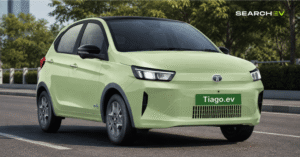
The Tiago EV is one of the most affordable electric cars sold in India. It starts under Rs 7 lakh, which puts it in direct fight with petrol hatchbacks like the Swift and Baleno.
Real-world range sits around 160-215 km, depending on how you drive it. That’s fine for city use, not so fine if you’re planning weekend trips
Who should buy this: Someone buying their first EV, mostly driving within the city, with access to home charging. Also a good fit if this is going to be your second car for daily office runs.
Who should skip this: Anyone who does frequent highway trips or lives in a building without charging access nearby. The smaller battery means more frequent charging stops on long drives.
Full Technical Specifications — Tata Tiago EV
| Spec | 19.2 kWh Variant | 24 kWh Variant |
| Battery | 19.2 kWh LFP | 24 kWh LFP |
| Power / Torque | 44.86 kW (61 PS) / 110 Nm | 55.16 kW (75 PS) / 114 Nm |
| Top Speed | 120 km/h | 120 km/h |
| AC Charging | 3.3 kW: 6.9 hrs (10-100%) | 3.3 kW: 8.7 hrs / 7.2 kW: 3.6 hrs (10-100%) |
| DC Charging | 30 kW: 35 mins (10-80%) | 30 kW: 35 mins (10-80%) |
| Claimed Range | 226 km | 285 km |
| Price (ex-showroom) | Rs 6.99 lakh onwards | up to Rs 9.99 lakh |
Tata Tiago EV Key features: 10.25-inch touchscreen, wireless Android Auto and Apple CarPlay, automatic climate control, cruise control, height-adjustable driver’s seat, 6 airbags, 360-degree camera, 4-level regen braking, and a lifetime battery warranty on the 24 kWh pack.
2. Tata Punch EV — Prices Start At Rs 9.69 lakh

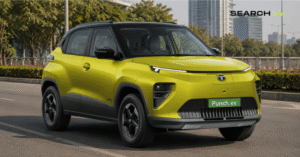
The Punch EV takes the popular Punch body style and adds an electric motor. It’s taller than the Tiago, has better ground clearance, and gets a bigger battery option that pushes range past 350 km.
It’s currently the best-selling EVs in India, and for good reason — it looks like a proper SUV without an SUV’s premium price tag.
Who should buy this: Small families who want an SUV-like stance but don’t need a huge battery. Great for people who drive 40-60 km a day and charge overnight at home.
Who should skip this: Buyers looking for a spacious cabin for 4-5 adults on long trips. Rear seat space is tight compared to bigger SUVs on this list.
Full Technical Specifications — Tata Punch EV
| Spec | 30 kWh Variant | 40 kWh Variant |
| Battery | 30 kWh LFP | 40 kWh LFP |
| Power / Torque | 65 kW (88 PS) / 154 Nm | 95 kW 127 PS (127 PS ) / 154 Nm |
| 0-100 km/h | — | 9.0 seconds |
| AC Charging | 7.2 kW: 4.5 hrs (10-100%) | 3.3 kW: 11.9 hrs / 7.2 kW: 5.3 hrs |
| DC Charging | 65 kW: 26 mins (20-80%) | 65 kW: 26 mins (20-80%), 135 km in 15 mins |
| Claimed Range | 365-375 km | 468 km |
| Price (ex-showroom) | Rs 9.69 lakh onwards | up to Rs 12.79 lakh (BaaS from Rs 6.49 lakh) |
Tata Punch EV Key features: HARMAN 26.03 cm HD touchscreen, wireless Android Auto/CarPlay, iRA.ev-connected tech (60+ features), voice-controlled sunroof, ventilated front seats, wireless charging, 360-degree camera, cruise control with hill descent, and lifetime battery warranty.
3. MG Windsor EV — Prices Start At Rs 14.10 lakh

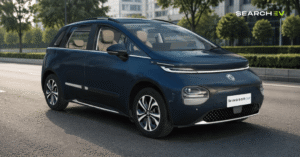
MG’s Battery-as-a-Service model is what makes the Windsor EV interesting. Instead of paying for the battery upfront, you pay a per-km subscription fee. This brings the on-road price down noticeably. Also, the biggest hurdle when buying an EV – the upfront cost – is eliminated.
Range is decent, and the cabin is roomier than most cars in this price bracket.
Who should buy this: Buyers who don’t want a huge upfront cost, or those unsure about long-term EV ownership and want flexibility. Also good if you drive a predictable number of kilometres each month.
Who should skip this: Buyers who prefer full ownership without recurring subscription costs, or people who plan to keep the car for 8+ years, where the subscription math may not work in your favour long-term.
Full Technical Specifications — MG Windsor EV
| Spec | 38 kWh Variant | 52.9 kWh Variant |
| Battery | 38 kWh | 52.9 kWh |
| Power / Torque | 100 kW (134 bhp) / 200 Nm | 100 kW (134 bhp) / 200 Nm |
| AC Charging | 3.3 kW or 7.4 kW: 6.5 hrs (0-100%) | 7.4 kW: 9.5 hrs (0-100%) |
| DC Charging | 45 kW: 45-50 mins (20-80%) | 60 kW: 50 mins (20-80%) |
| Claimed Range | 331 km | 449 km |
| Price (ex-showroom) | Rs 14.10 lakh onwards | up to Rs 18.60 lakh (BaaS from Rs 9.99 lakh) |
MG Windsor EV Key features: 15.6-inch touchscreen (one of the biggest in this segment), a panoramic Infinity View glass roof, Aero-Lounge rear seats with 135° recline adjustment, Level 2 ADAS (on the Essence Pro variant), a 360-degree camera, and 6 airbags.
4. Hyundai Creta Electric — Prices Start At Rs 18.03 lakh
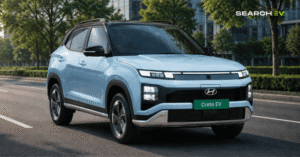
The Creta name already sells itself in India. The electric version keeps the same cabin quality and space Hyundai is known for, with a claimed range that comfortably covers 400+ km in real conditions.
This is aimed squarely at people who already like the Creta but want to go electric.
Who should buy this: Petrol Creta owners looking to switch or buyers who want a trusted brand name with strong service network support across India.
Who should skip this: Budget-conscious buyers. This isn’t the cheapest way to get into an EV, and there are similarly ranged options at lower prices on this list.
Full Technical Specifications — Hyundai Creta Electric
| Spec | 42 kWh Variant | 51.4 kWh Variant |
| Battery | 42 kWh | 51.4 kWh (Long Range) |
| Power / Torque | 100 kW (135 PS) / 255 Nm | 126 kW (171 PS) / 255 Nm |
| Top Speed | 160 km/h | 160 km/h |
| 0-100 km/h | ~8-9 seconds | 7.9 seconds |
| AC Charging | 11 kW: 4 hrs (10-100%) | 11 kW: 4.8 hrs (10-100%) |
| DC Charging | 50 kW: 58 mins (10-80%) | 50 kW: 58 mins (10-80%) |
| Claimed Range | 420 km | 510 km |
| Price (ex-showroom) | Rs 18.03 lakh onwards | up to Rs 24.70 lakh (BaaS from Rs 10.99 lakh) |
Hyundai Creta EV Key features: Dual 10.25-inch curved screens, Level 2 ADAS with 20+ features (Excellence trim), V2L (Vehicle-to-Load), Bose 8-speaker audio, ventilated front seats, panoramic sunroof, 6 airbags.
5. Maruti Suzuki e Vitara — Prices Start At Rs 15.99 lakh

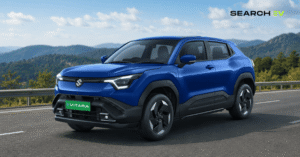
This is Maruti’s first serious electric car, and it comes with the brand’s biggest strength — India’s largest service network. The eVitara offers two battery options, with the bigger one claiming over 500 km on paper.
Real-world numbers will likely land lower, as they usually do, but even at 440 km, it’s one of the longer-range options here.
Who should buy this: Buyers who value service network reach over everything else, especially in smaller towns where other EV brands have limited presence.
Who should skip this: Early adopters wanting the latest tech features. Maruti tends to keep things simple, so if you want a loaded feature list, look elsewhere on this list.
Full Technical Specifications — Maruti Suzuki e Vitara
| Spec | 49 kWh Variant | 61 kWh Variant |
| Battery | 49 kWh LFP (BYD blade cell) | 61 kWh LFP (BYD blade cell) |
| Power / Torque | 106 kW (142-144 bhp) / 193 Nm | 128 kW (172-174 bhp) / 193 Nm |
| AC Charging | 7.4 kW: 7.5 hrs (10-100%) | 7.4 kW: 9 hrs (10-100%) |
| DC Charging | 100 kW: 45 mins (0-80%) | 100 kW: 45 mins (0-80%) |
| Claimed Range | ~440 km | up to 543 km |
| Price (ex-showroom) | Rs 15.99 lakh onwards | up to Rs 20.01 lakh (BaaS from Rs 10.99 lakh) |
Maruti Suzuki e Viatara Key features: a 10.25-inch touchscreen with wireless Android Auto/CarPlay, an Infinity premium sound system, a panoramic fixed glass sunroof, ventilated front seats, Level 2 ADAS (Zeta and Alpha trims), 7 airbags, and an 8-year/1.6 lakh km battery warranty.
6. Mahindra BE 6 — Prices Start At Rs 18.90 lakh
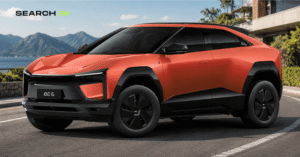
The BE 6 is Mahindra’s answer to buyers who want an EV that doesn’t feel slow or boring. It has a coupe-SUV shape, strong power output, and a real-world range that can cross 500 km with the bigger battery.
It genuinely feels different to drive compared to most EVs in this price range.
Who should buy this: Buyers who care about driving experience and want something that stands out on the road, not just on a spec sheet.
Who should skip this: Buyers who prioritise maximum boot space or a conventional SUV look. The sloping roofline does eat into cargo room a bit.
Full Technical Specifications — Mahindra BE 6
| Spec | 59 kWh Variant | 79 kWh Variant |
| Battery | 59 kWh LFP | 79 kWh LFP |
| Power / Torque | 170 kW (228 bhp) / 380 Nm | 210 kW (282 bhp) / 380 Nm |
| 0-100 km/h | — | 6.7 seconds |
| AC Charging | 7.2 kW: 8.7 hrs / 11.2 kW: 6 hrs (0-100%) | 7.2 kW: 11.7 hrs / 11.2 kW: 8 hrs |
| DC Charging | 175 kW: 20 mins (20-80%) | 175 kW: 20 mins (20-80%) |
| Claimed Range | 557 km | 683 km |
| Price (ex-showroom) | Rs 18.90 lakh onwards | up to Rs 28.49 lakh |
Mahindra BE 6 Key features: Twin 12.3-inch dual displays, illuminated 2-spoke steering wheel, panoramic glass roof, Level 2 ADAS, 16-speaker Harman Kardon audio with Dolby Atmos, paddle-shifter regen braking, 360-degree camera, and lifetime battery warranty.
7. Tata Sierra EV — Prices Start At Rs 18.79 lakh

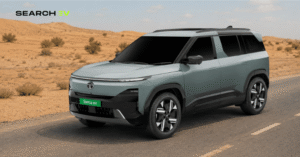
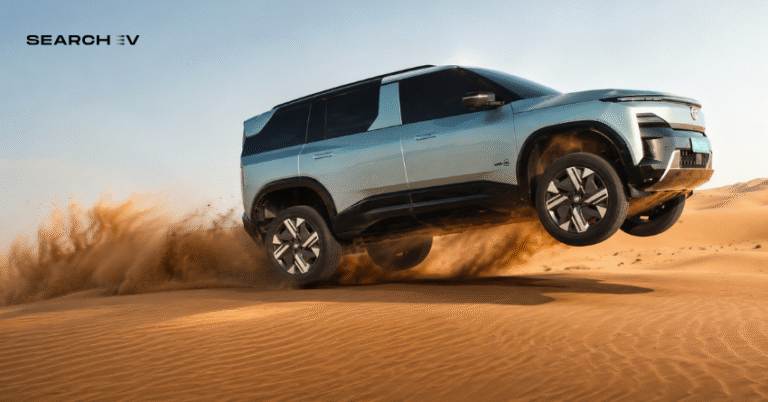
Tata brought back one of India’s most loved car names from the 90s, and the Sierra EV carries that boxy, distinctive look into an electric SUV.
It’s less about outright numbers and more about standing out from every other SUV shape on Indian roads right now.
Who should buy this: Buyers who want a car that looks different from everything else in the parking lot, and who remember (or love the story of) the original Sierra.
Who should skip this: Buyers focused purely on maximum range or lowest price per km. There are cars on this list that beat it on both counts.
Full Technical Specifications — Tata Sierra EV
| Spec | 63 kWh Variant | 75 kWh Variant |
| Battery | 63 kWh LFP | 75 kWh LFP |
| Power / Torque | 126 kW (253 bhp) / 315 Nm (RWD) | 154 kW (rear) + 103 kW (front) (349 Ps) / 504 Nm (dual-motor AWD available) |
| 0-100 km/h | — | 5.8 seconds (Boost mode, AWD) |
| AC Charging | 7.2 kW: 8.9 hrs (10-100%) | 7.2 kW: 10.5 hrs (10-100%) |
| DC Charging | up to 120 kW: 25 mins (20-80%) | up to 120 kW: 26 mins (20-80%) |
| Claimed Range | 535 km | up to 665 km |
| Price (ex-showroom) | Rs 18.79 lakh onwards | up to Rs 25.99 lakh |
Tata Sierra EV Key features: Triple-screen dashboard (10.25-inch cluster + 12.3-inch infotainment + 12.3-inch passenger display), Level 2 ADAS+ with 22 features, 540-degree surround camera, 6 terrain modes, V2L and V2V charging support, and lifetime battery warranty.
8. Mahindra XEV 9e — Prices Start At Rs 21.90 lakh

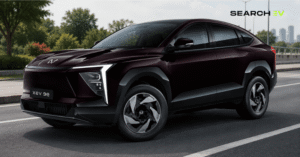
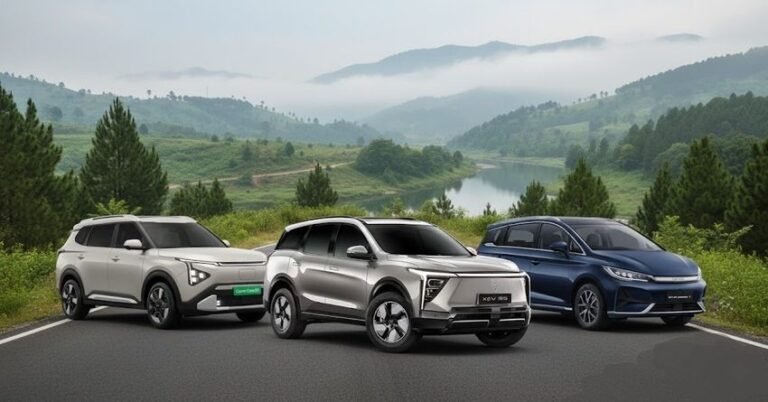
The XEV 9e sits at the top of Mahindra’s electric lineup, with a coupe-SUV design, big screens inside, and range figures that comfortably cross 500 km on the larger battery.
It’s priced higher than most on this list, but it also brings more tech and a properly premium cabin feel.
Who should buy this: Buyers who’ve already decided on an EV and want the most feature-rich option without going into luxury brand territory.
Who should skip this: First-time EV buyers testing the waters. This isn’t the car to start your EV journey with unless the budget is genuinely not a concern.
Full Technical Specifications — Mahindra XEV 9e
| Spec | 59 kWh Variant | 79 kWh Variant |
| Battery | 59 kWh LFP | 79 kWh LFP |
| Power / Torque | 170 kW (231 hp) / 380 Nm | 210 kW (282-286 hp) / 380 Nm |
| Top Speed | ~200 km/h | ~200 km/h |
| 0-100 km/h | — | 6.8 seconds |
| AC Charging | 7.2 kW: 8.7 hrs / 11.2 kW: 6 hrs (0-100%) | 7.2 kW: 11.7 hrs / 11.2 kW: 8 hrs |
| DC Charging | 140-180 kW: 20 mins (20-80%) | 140-180 kW: 20 mins (20-80%) |
| Claimed Range | 522 km | 656 km |
| Price (ex-showroom) | Rs 21.90 lakh onwards | up to Rs 31.25 lakh |
Mahindra XEV 9e Key features: Triple 12.3-inch screens, an augmented reality heads-up display, a panoramic sunroof with ambient lighting patterns, 16-speaker Harman Kardon audio, Level 2 ADAS, auto park assist, 7 airbags, and a lifetime battery warranty.
Note: Prices, charging times, and features change often as manufacturers update variants through the year. Always confirm the latest figures with the dealership or official brand website before making a final call.
Which One Should You Actually Buy?
Here’s the honest way to think about it:
- Tight budget, city-only driving → Tata Tiago EV
- Small SUV on a budget → Tata Punch EV
- Don’t want a big upfront cost → MG Windsor EV
- Already love the Creta → Hyundai Creta Electric
- Want Maruti’s service backup → Maruti e Vitara
- Want something fun to drive → Mahindra BE 6
- Want a car that turns heads → Tata Sierra EV
- Want the most premium package → Mahindra XEV 9e
There’s no single “best” EV in India right now. It depends on your budget, your daily kilometers, and whether you have easily accessible charging at home. Test drive at least two or three from this list before deciding, because the on-paper numbers rarely tell the whole story once you’re actually behind the wheel.