You may be considering purchasing an electric vehicle, or you may already have one. And somewhere in the back of your mind, this one question keeps coming up—what happens when the battery dies? & how much does EV Battery Replacement Cost in India?
It is a fair question. The battery is the heart of any electric vehicle. And yes, replacing it is not cheap. But the good news is that most people worry about this a lot more than they need to. Let us break it down simply.
How Long Does an EV Battery Actually Last?
Before we talk about replacement costs, let us clear something up. Most EV batteries today last anywhere from 7 to 10 years or more with normal usage. Modern lithium-ion batteries are built to handle thousands of charge cycles.
In real-world terms, if you charge and ride daily, you are looking at roughly 50,000 to 80,000 km before the battery starts showing any noticeable drop in performance.
So for most EV owners, battery replacement is not something they will deal with anytime soon.
What Does EV Battery Replacement Actually Cost in India?
Here’s where the variation begins for everyone, as the cost depends on the type of vehicle you own. Electric Scooters & Bikes Battery replacement cost in India for electric two-wheelers is generally between ₹45,000 and ₹1,20,000, depending on the brand and battery size.
Here is a rough brand-wise breakdown for 2026:
Electric Scooters
Model | Battery Size | Replacement Cost |
| Ola S1 Pro+ | 5.2 kWh | ₹1,10,000 – ₹1,20,000 |
| Ola S1 Pro | 4 kWh | ₹85,000 – ₹90,000 |
| Ather 450X | 3.7 kWh | ₹80,000 – ₹90,000 |
| TVS iQube ST | 5.1 kWh | ₹90,000 – ₹100,000 |
| TVS iQube (base) | 2.2 kWh | ₹45,000 – ₹50,000 |
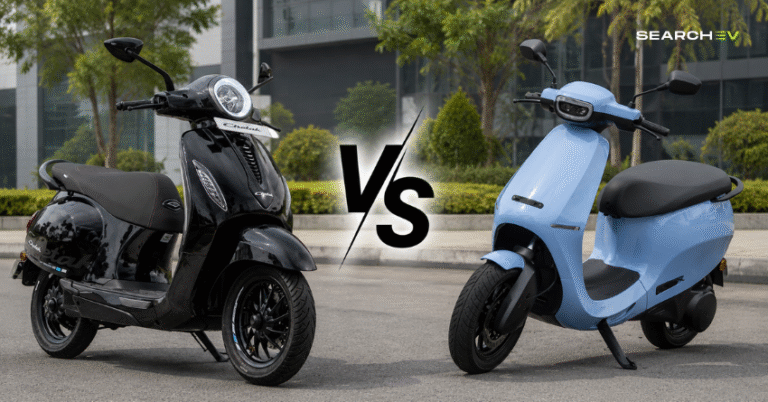
| Bajaj Chetak 3503 | 3.5 kWh | ₹75,000 – ₹80,000 |
| Hero Vida V2 Pro | 3.9 kWh | ₹80,000 – ₹85,000 |
Electric Cars
For electric cars, the battery is naturally bigger, so the cost is higher. In India, the replacement cost for EV car batteries works out to roughly ₹15,000 to ₹25,000 per kWh.
Model | Battery Size | Replacement Cost |
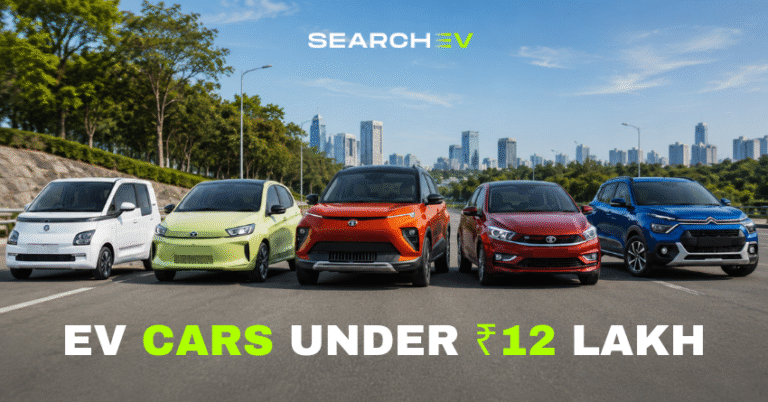
| Tata Tiago EV | 24 kWh | ₹3.5 – ₹4.5 lakh |
| Tata Nexon EV | 30.2 kWh | ₹6 – ₹7 lakh |
| Tata Punch EV | 35 kWh | ₹6.5 – ₹8 lakh |
| MG ZS EV | 44.5 kWh | ₹8 – ₹10 lakh |
| Hyundai Creta EV | 51.4 kWh | ₹9 – ₹12 lakh |
These are estimated figures. Always get an official quote from the brand’s authorized service center before planning anything.
Why Is EV Battery Replacement So Expensive?
There are many reasons for this
- The secret materials of many electric vehicle batteries, such as cobalt, nickel, and lithium, are expensive to mine and produce.
- It’s not just the battery. Replacing a battery also costs you labour, software pairing (the car needs to recognise the new pack), taxes, and sometimes the transportation of the old battery.
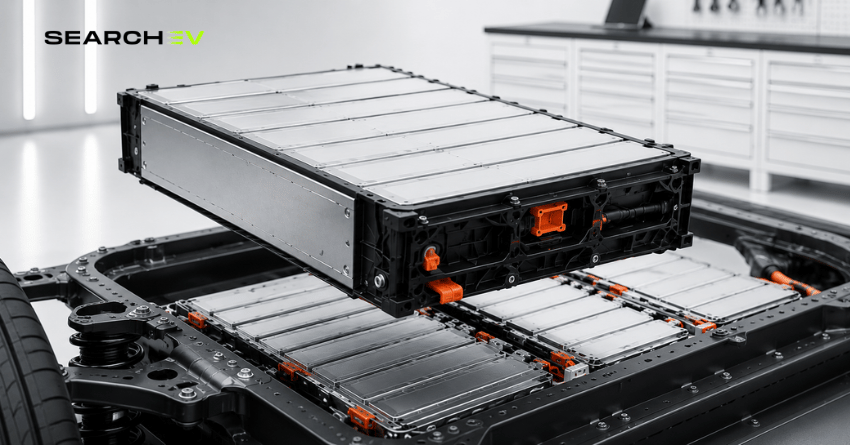
3. The battery system is the vehicle’s most sophisticated component, consisting of the cooling system, high-voltage wiring, battery modules, and battery management system (BMS). In order to deal with it, particular tools and people are needed.
Is Battery Replacement Covered Under Warranty?
Many Indian electric vehicle manufacturers provide a battery warranty that ranges from 3 to 8 years or a certain number of km, along with a minimal capacity stability guaranteed of 70 to 80%.
This means that if your battery’s performance falls below the set level within the warranty’s term, the firm will swap it out or fix it for low or no cost.
Important: Clearly mention whatever isn’t covered under the warranty. Most insurance companies frequently exclude coverage for flood damage, unauthorised repairs, incorrect payments, and physical injury. Stick to the price limits and keep your service records private.
How to Keep Your Electric Vehicle Batteries Longer?
- Proper care of the battery is a highly efficient way to increase its lifespan. These basic procedures have a significant impact:
- Charging around 20 and 80 % for regular use. Only charge to 100% before a long trip.
- Avoid running the battery down to 0% regularly.
- Do not rely on DC fast charging every single day. Use it when needed, not as a habit.
- Park in shade when possible. Heat is the biggest enemy of battery health.
- Keep up with scheduled servicing so any early signs of battery wear are caught in time.
Are Battery Prices Coming Down?
Yes, and the good news is Battery prices in India have fallen by approximately 22% since 2024, because of increasing domestic manufacturing under the government’s PLI initiative and more stable lithium pricing across the world.
This tendency is likely to continue. As more companies set up battery production inside India and newer battery chemistries like LFP (Lithium Iron Phosphate) become more common, replacement costs should come down further over the next few years.
What Is Battery-as-a-Service (BaaS)?
These days, some companies, like Hero Vida, have a model where you purchase the scooter without a battery and pay a monthly subscription in its place. This removes the big replacement cost worry entirely and makes the upfront price lower too.
If you want to upgrade your car in a few years or are cost-conscious, this is a wise choice.
Does EV Still Make Financial Sense Even With Replacement Cost?
Short answer — yes, for most people.
A typical petrol scooter owner in India spends around ₹1.5 lakh on fuel and maintenance over five years. An EV owner in the same period spends less than ₹15,000 on electricity. Even if you add a battery replacement at year seven or eight, the savings from fuel usually more than cover it.
For cars, the gap is even bigger. Petrol fuel costs are much higher, and EV running costs are significantly lower.
The math works in your favour if you plan to keep the vehicle for more than five to six years and have a reliable place to charge at home.
What to Check Before Buying a Used EV
If you are buying a second-hand electric vehicle, the battery condition is the most important thing to check. Ask for:
- State of Health (SoH) report from the brand service centre
- Charging history (slow vs fast charging pattern)
- Any warning lights or fault codes
- Accident or flood history
- Remaining warranty and whether it is transferable
- Do not skip this step. A battery in poor health can cost you lakhs and undo all the savings.
Final Thoughts
EV battery replacement cost is real, and it is not something to ignore. But it is also not the horror story some people make it out to be. Most batteries last well over seven years. Prices are falling. Warranties are getting better. And the savings on fuel and maintenance are significant.
Buy smart, charge smart, and your EV battery will take care of itself for a long time.