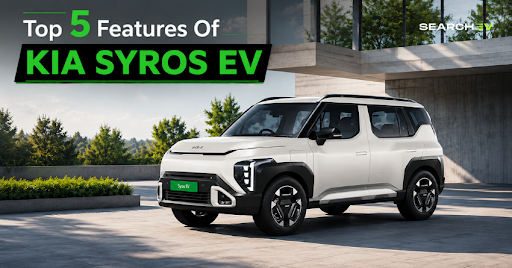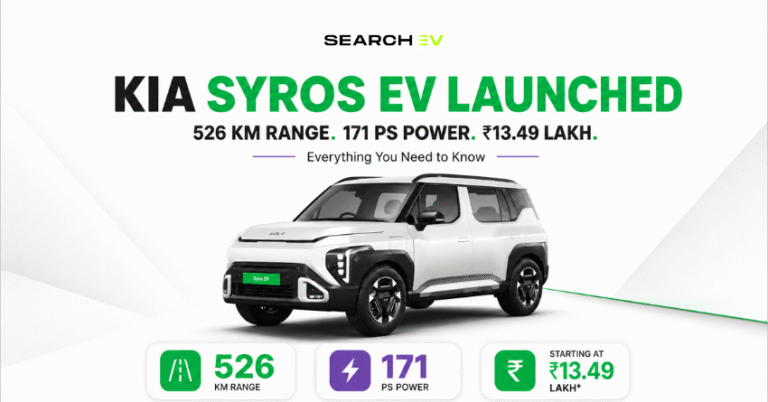
Kia is preparing to reveal its most aggressive volume driver yet. The South Korean automaker has officially confirmed in its 2026 investor presentation that the highly expected Kia Syros EV will make its market debut in July.
The Kia Syros EV will be Kia’s second locally produced electric vehicle, and will expand the brand’s Indian EV portfolio to a total of four models. It will establish Kia’s feet into the fiercely contested mass-market electric sub-compact SUV segment.
Positioning and Rivals
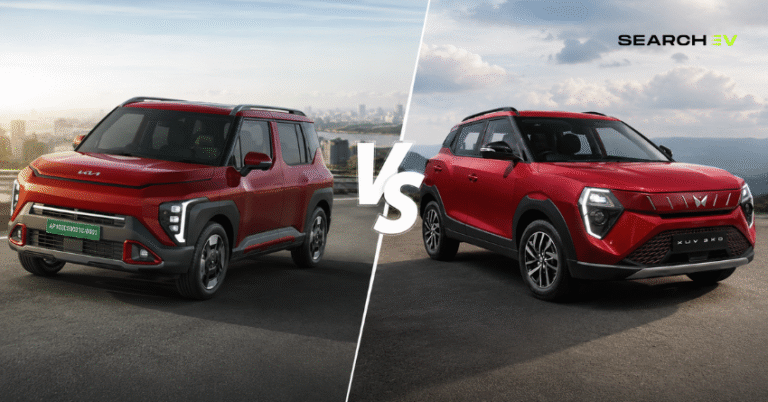
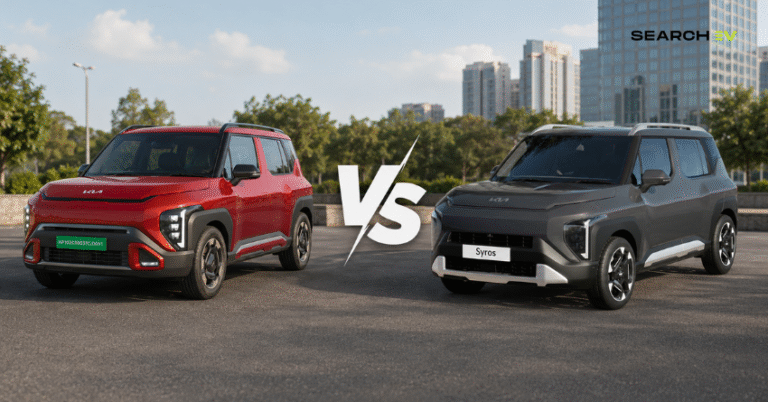
The segment that the Tata Nexon EV effectively birthed has rapidly expanded to accommodate strong contenders like the MG Windsor EV, and the recently introduced Mahindra XUV 3XO EV. This ₹12-₹18 lakh category serves as the ultimate transitional stepping stone for buyers moving away from internal combustion engines, offering highly practical upfront costs coupled with usable everyday range.
Positioning the Syros EV in this segment can unlock good volumes for Kia, which the ICE version couldn’t unlock yet. Sitting comfortably below the larger Carens Clavis EV, the Syros will essentially act as the brand’s most accessible, high-volume electric model.
Kia Syros EV: What to Expect
While it shares its name and basic silhouette with its ICE counterpart, the Syros EV is fundamentally different underneath the sheet metal. The vehicle is likely to be built upon a highly-localised version of the K1 platform, which we have seen on the global Hyundai Inster EV.
It will be a FWD setup with Kia likely to offer two battery pack configurations to suit diverse needs and budget requirements. For reference, the global Inster EV features a 42 kWh option and a larger 49 kWh pack. If the same specs follow the Syros EV, we can expect the vehicle to claim a maximum range of around 350 to 400 km on a single charge with the larger pack. .
Design, Interior, and Features
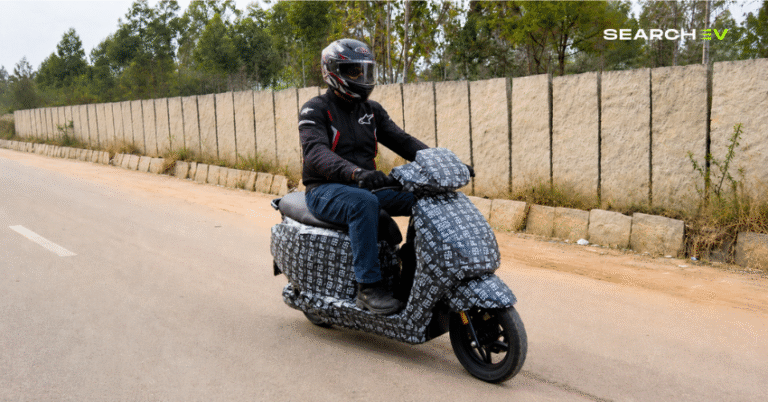
Recent spy shots of heavily camouflaged test mules reveal how Kia plans to visually separate the EV from the standard petrol and diesel models.
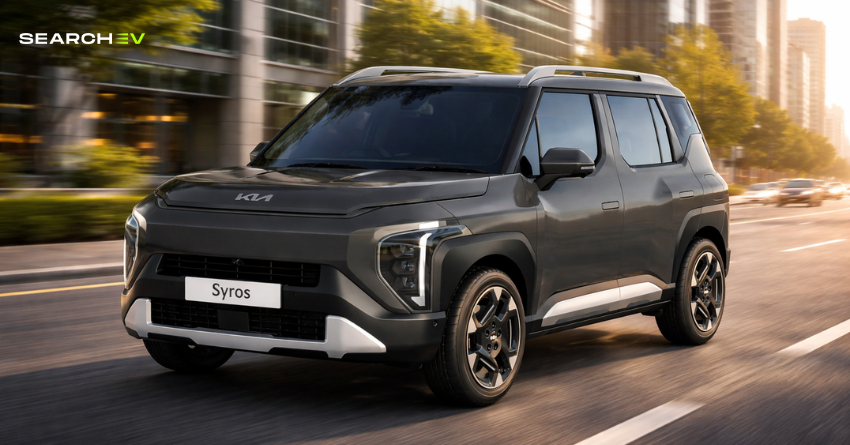
While the SUV retains the unmistakable vertically stacked LED headlights with L-shaped daytime running lamps (DRLs) and the upright, boxy stance of the standard Syros, it will adopt several EV-specific aerodynamic improvements. Buyers can expect a clean, closed-off front grille, a heavily revised front bumper, exclusive aero-designed alloy wheels, alongside EV badging.
Kia has built a reputation for over-delivering on cabin technology, and the Syros EV will be no exception. The interior is expected to carry forward the premium layout of the ICE model, featuring the massive dual 12.3-inch screen setup (digital instrument cluster and infotainment), a touch-based climate control panel, a wireless phone charger, and ventilated front and rear seats.
Safety remains a priority, with the vehicle expected to retain the comprehensive Level-2 ADAS suite (complete with front radar sensors and a 360-degree surround-view camera).
Crucially, the EV is expected to introduce EV-specific technologies, including Vehicle-to-Load (V2L) and Vehicle-to-Vehicle (V2V) capabilities.