Quick reads
- BYD will increase EV prices by 1-2% from July 01, 2026
- Existing prices are valid for May and June bookings till end of July 2026
- Forex fluctuations cited as the primary reason behind this hike
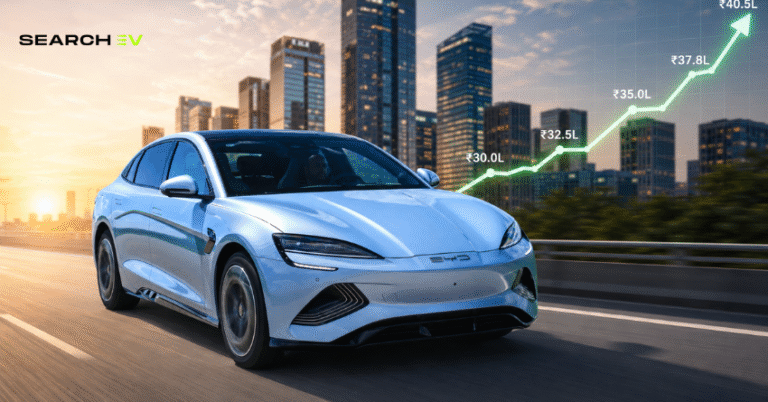
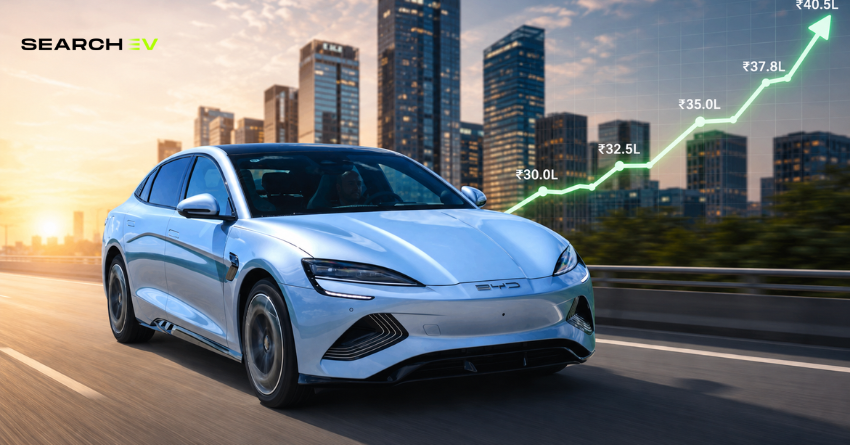
BYD India has confirmed a price hike across its EV lineup from July 01, 2026. The revised pricing will come into effect from July 01, 2026, impacting all the models that are currently sold by the brand.
According to the brand, the upcoming price hike, or revision, is done to compensate for the fluctuations in foreign exchange (Forex). In simpler words, the depreciating value of the rupee has been the major factor in this price change.
As per the brand, the price hike will be just 1-2% of the total ex-showroom price of its electric vehicles. But, when we consider the cost of BYD electric vehicles, the price hike could be somewhere between Rs 50,000 to Rs 1,00,000. Do note that the amount of the price hike will be dependent on the variant you choose.
BYD’s current EV lineup includes the BYD Atto 3, the BYD Seal, the BYD Sealion 7, and the BYD eMax 7. The BYD Atto 3 is the most affordable EV, and the Sealion 7 is the most premium one. Here’s a list of the latest prices with expected prices after the price hike:
| BYD Electric Vehicle | Current Price | Expected Hiked Price |
| Atto 3 | Rs 24.99 lakh | Rs 25.24-25.49 lakh |
| eMax 7 | Rs 26.90 lakh | Rs 27.17-27.44 lakh |
| Seal | Rs 41.00 lakh | Rs 41.41-41.82 lakh |
| Sealion 7 | Rs 49.40 lakh | Rs 49.90-50.39 lakh |
*(all prices are ex-showroom, and expected hiked price are approximate)
But wait, there’s good news as well. The brand has offered temporary relief for buyers who are planning to purchase a BYD EV soon. Customers who complete the booking formalities during the month of May, and June 2026, can still get their car at the same prices, but only if the delivery procedure is completed on or before July 31, 2026. Also, Any booking made after June 30, 2026 will fall under the new pricing structure.
Our Opinion
The move was made at a time when premium EV manufacturers in India are increasingly facing issues reducing manufacturing costs due to imported components, battery tech, and fluctuating exchange rates.
Since several components and technologies used in high-end EVs are globally sourced, changes in forex rates can significantly affect pricing in our local market. But, despite all of these challenges, BYD has managed to grow steadily in the Indian market.
In our opinion, this price hike will not affect the majority of the buyers, who are already shopping in the premium segment, but it does highlight the global sensitivity of the current EV industry. And customers already looking to buy a BYD, should make the booking soon, as it could save you some money.