Quick Reads
- The ADAPT architecture can spawn vehicles across four different types of powertrains
- Plug-in Hybrid Electric Vehicles (PHEVs) and Range Extender Electric Vehicles (REEVs) are part of the MG ADAPT strategy
- No pure ICE offered with the platform
- MG plans to launch one pure EV and one PHEV based on this platform before the end of the 2026-27 financial year.
Intro
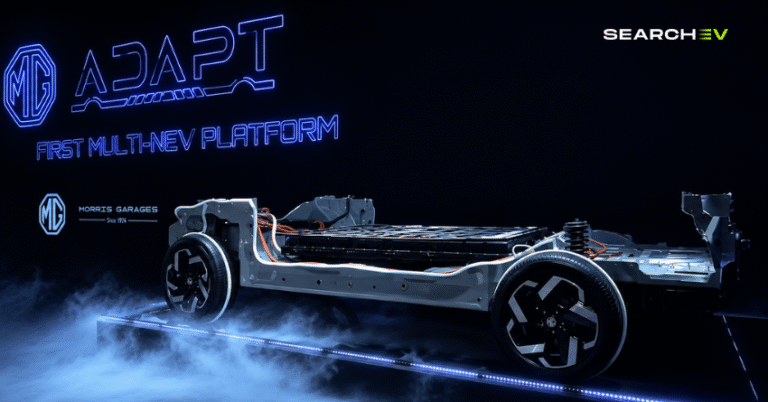
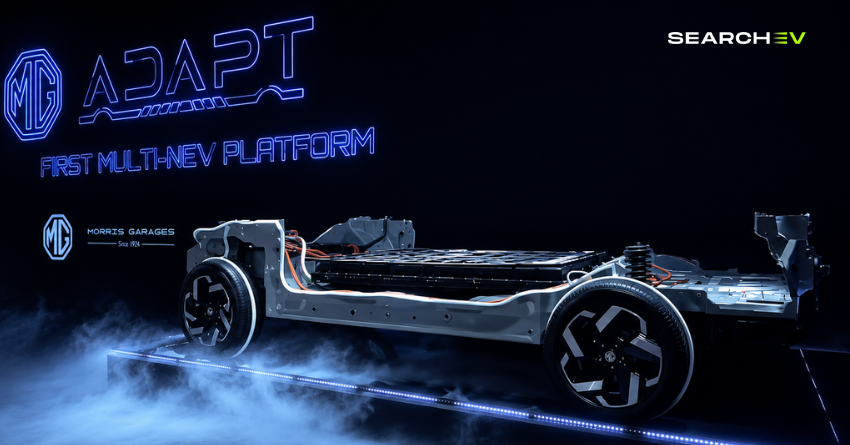
JSW MG Motor India has detailed its future product strategy with the reveal of a new vehicle architecture. Named ADAPT (Advance Drive Architecture Platform Technology), the platform functions as a modular base capable of underpinning a variety of electrified vehicles. A flexible architecture enables MG to balance its range between pure electric models and various hybrid technology versions as the Indian automotive market navigates infrastructure constraints and changing consumer preferences.
Understanding the ADAPT Technology
The ADAPT platform is structured around a multi-energy ecosystem. It skips internal combustion engine-only setups, focusing exclusively on four new energy vehicle (NEV) segments:
- Electric Vehicles (EVs)
- Hybrid Electric Vehicles (HEVs)
- Plug-in Hybrid Electric Vehicles (PHEVs)
- Range Extender Electric Vehicles (REEVs)
Purpose-Built Hybrid Powertrain
At the center of its hybrid applications is a purpose-built petrol engine paired with a dedicated battery system. MG claims this engine achieves an industry-leading thermal efficiency of 43.2 percent. The power delivery is managed by what MG calls the world’s first Electromagnetic Dedicated Hybrid Transmission (DHT). By using an e-clutch instead of a hydraulic setup, the transmission is said to offer 98.8 percent electrical control efficiency and faster shifting between modes.
Additionally, the platform incorporates a 10-in-1 Intelligent Electric Drive Unit. This compact system integrates multiple components to reduce weight, improve communication speed between electrical systems, and increase overall vehicle efficiency.
MG ADAPT Architecture: Intelligent Energy Management and Drive Modes
To maximise the hardware on plug-in hybrid vehicles, the platform is fitted with an intelligent energy management system that enables it to switch to modes depending on the road condition. In total, there are four modes in use for the hybrids on this platform:
- Pure Electric Drive: Works silently and responsively in urban areas.
- Series Hybrid Drive: The petrol engine works as a generator for charging the batteries while the electric motor moves the wheels.
- Parallel Hybrid Drive: Both the engine and the electric motor drive the wheels to provide maximum performance.
- Engine Direct Drive: Combustion engine is optimized for efficient driving on the highways
For its Range Extender (REEV) applications, the platform ensures the wheels are powered exclusively by electric motors, with the engine strictly functioning as a generator to reduce energy losses. Moreover, the EV part of the platform is compatible with 800-volt systems, which usually means fast charging rates. MG states that the EV battery has passed many tests for safety, including 180 degrees thermal shock test, short circuiting, and needle penetration.
What This Means in Practice
For MG, the modular nature of ADAPT spreads development costs across multiple models and reduces the time needed to bring new cars to market. For the consumer, it means a broader choice of propulsion types without compromising on structural safety. Buyers who want lower running costs but lack access to home charging can opt for a strong hybrid, while those needing a bridge between city commutes and long highway trips can choose a plug-in hybrid.
Upcoming Models and Powertrain Configurations J
SW MG Motor India has confirmed that the first two products to utilise the ADAPT platform will be an EV and a PHEV, both scheduled to launch by the end of FY2026-27.
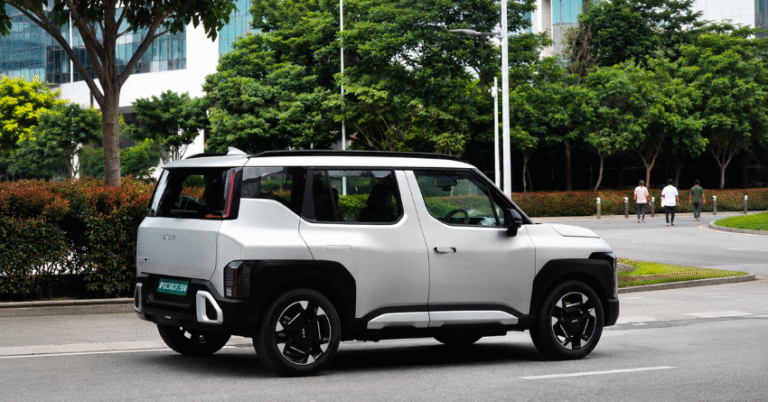
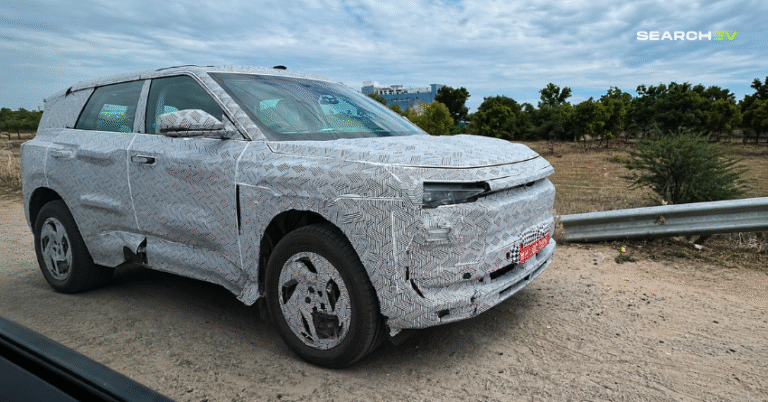
Industry reports suggest that the first PHEV could be a three-row SUV, potentially a rebadged version of the Wuling Starlight 560. This vehicle’s Indonesia-spec model features a 20.5 kWh battery pack, an electric motor, and a 1.5-liter petrol engine. With the petrol engine extending the overall combined range past the 1,000 km mark, range anxiety is completely eliminated. The SUV will compete with the Tata Safari and Mahindra XUV 7X0 in the premium three-row market when it is released.