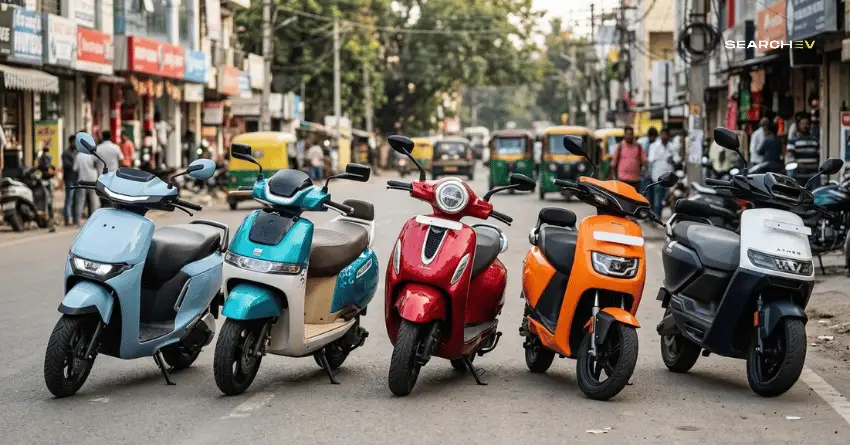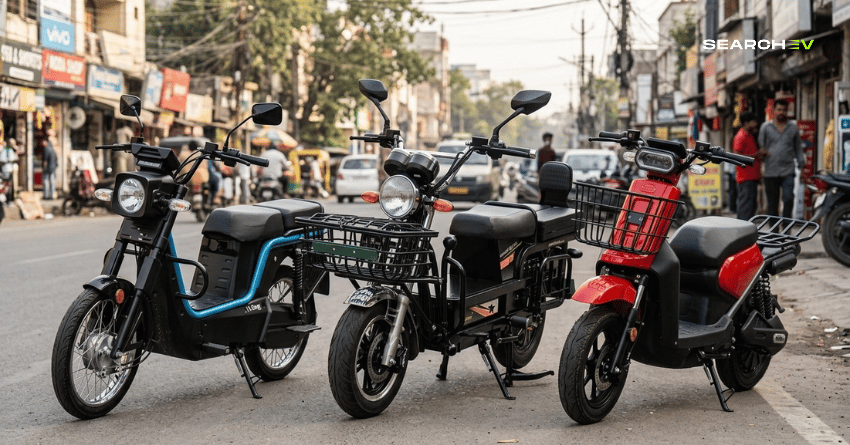
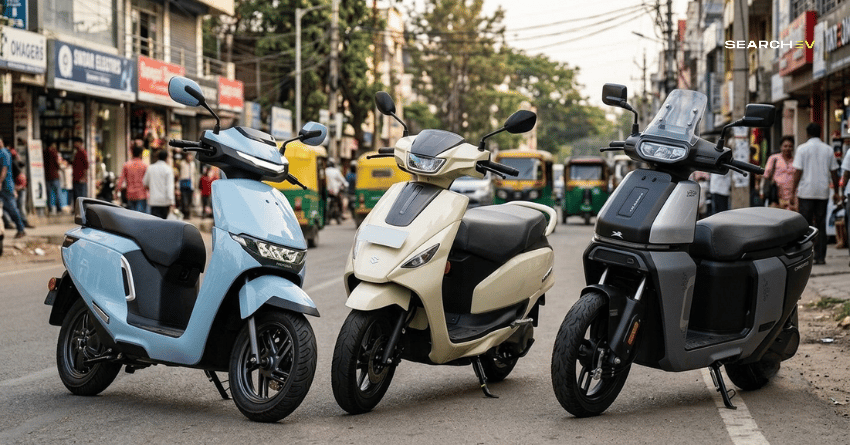
Buying an electric scooter for a senior citizen is not just about finding a model with a good range or an affordable price. The scooter should be easy to get on and off, comfortable to ride at low speeds and manageable when moving around a parking area.
For older riders, even small differences in seat height and vehicle weight can make a noticeable difference. A scooter that feels perfectly manageable to one person may feel too heavy or tall for another.
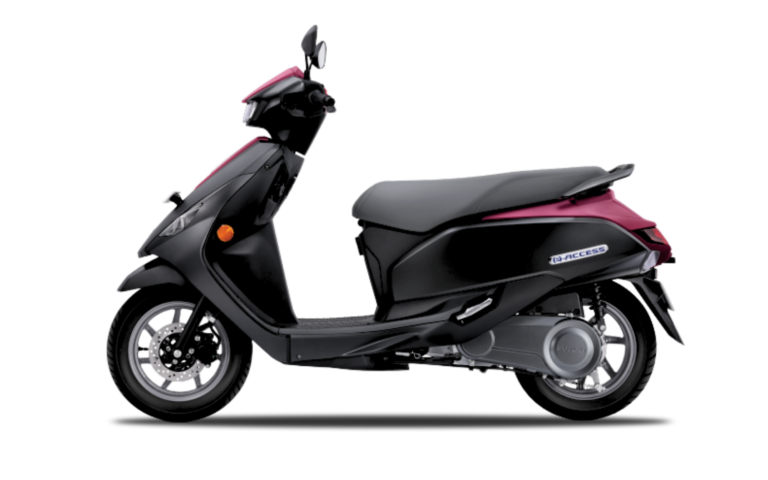
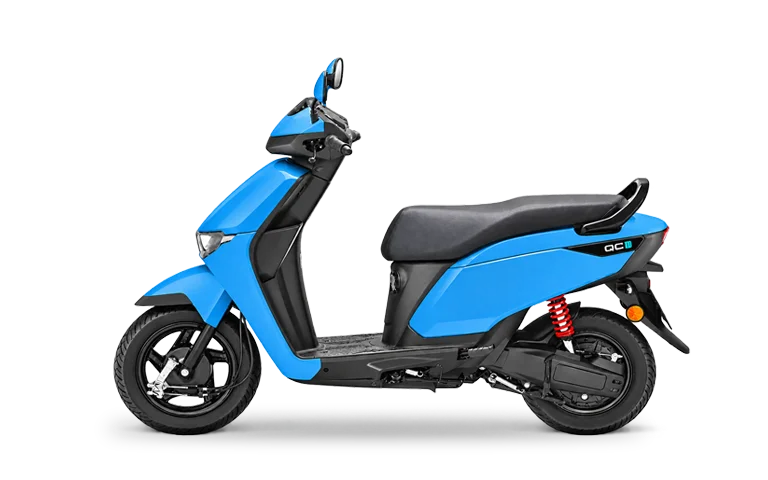
We have shortlisted three electric scooters in India that deserve consideration from senior citizens and families buying a vehicle for their parents: the Honda QC1, TVS Orbiter and Suzuki e-Access.
Rather than ranking them by battery size or top speed, this list focuses on accessibility, everyday comfort and practical usability.
Our Top 3 Picks at a Glance
| Electric scooter | Seat height | What makes it worth considering |
| Honda QC1 | 704 mm | Low seat and lightweight construction |
| TVS Orbiter | 760–763 mm, depending on published specification | Long seat, parking assistance and practical design |
| Suzuki e-Access | 765 mm | Conventional scooter layout and accessible seat height |
Seat-height figures are manufacturer or published specifications. A lower seat does not automatically guarantee easier handling; seat width, floorboard design and rider height also matter.
1. Honda QC1 – Best for a Low Seat Height and Easy Handling
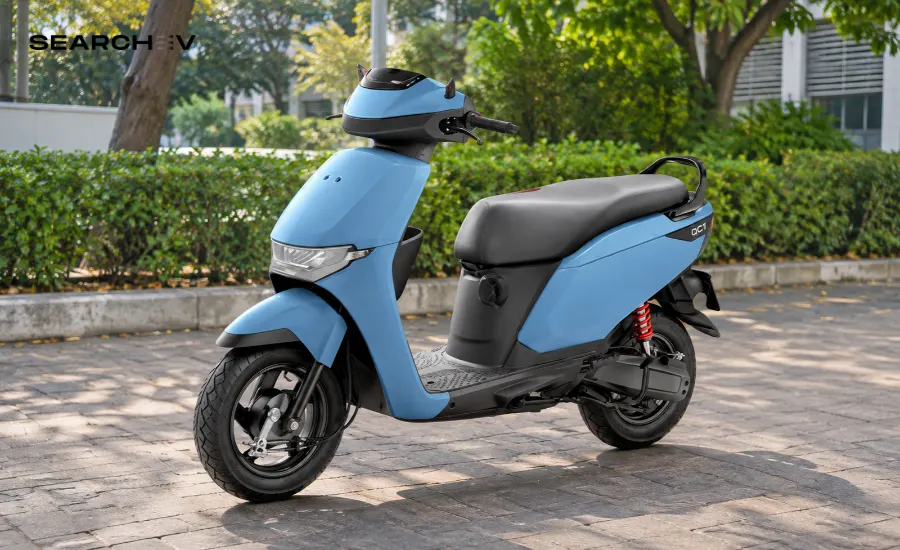
The Honda QC1 is our first recommendation for senior citizens who find taller or heavier scooters difficult to manage. Its biggest advantage is its accessible seating position.
The scooter has a seat height of just 704 mm and a kerb weight of 89.5 kg. Compared with many larger electric scooters, these figures make the QC1 a particularly interesting option for older riders who want something relatively light and easy to manoeuvre.
It is powered by a 1.5 kWh fixed lithium-ion battery and offers an IDC-certified range of 80 km. Its top speed is 50 km/h, which makes it more suitable for shorter city journeys than extended highway travel.
Key specifications:
- Battery capacity: 1.5 kWh
- Claimed IDC range: 80 km
- Top speed: 50 km/h
- Seat height: 704 mm
- Kerb weight: 89.5 kg
- Under-seat storage: 26 litres
Why it makes sense for senior citizens
The lower seat can make it easier to place both feet on the ground at traffic signals. Its relatively low weight can also help when manoeuvring the scooter in a garage or parking space.
The straightforward design and two riding modes are additional advantages for someone who does not need an elaborate feature package.
What to keep in mind: The QC1 has a fixed battery, so charging requires access to a suitable parking-area socket. Its suspension is also more basic than that of some higher-priced electric scooters. A test ride over familiar roads is important before buying.
2. TVS Orbiter – Best for a Spacious Seat and Everyday Practicality
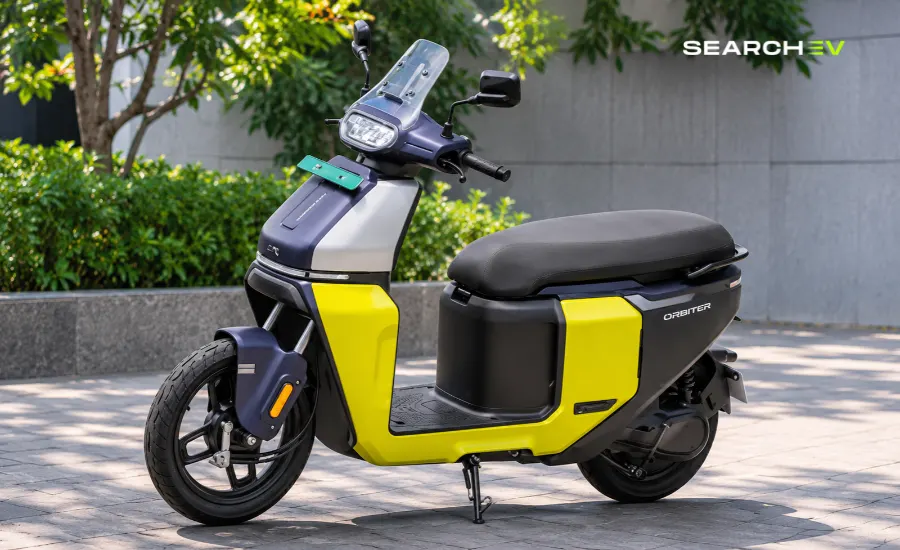
The TVS Orbiter is worth considering for senior citizens who want a comfortable, practical scooter for regular neighbourhood and city travel.
One of its key advantages is its long 845 mm seat. This can be useful for riders who prefer more seating room, although actual comfort will depend on the rider’s body proportions and preferred seating position.
The Orbiter is available in V1 and V2 configurations. The V1 uses a 1.8 kWh battery and has a claimed IDC range of 92 km, while the V2 uses a 3.1 kWh battery and has a claimed IDC range of 158 km.
Both versions offer forward and reverse parking assistance. This is a useful feature for anyone who finds it difficult to push or reposition a scooter in a tight parking area.
Key specifications:
- Battery options: 1.8 kWh and 3.1 kWh
- Claimed IDC range: 92 km and 158 km
- Seat height: approximately 760–763 mm, depending on published specification
- Kerb weight: 100 kg (V1) and 112 kg (V2)
- Seat length: 845 mm
- Parking assistance: Forward and reverse
Why it makes sense for senior citizens
The longer seat offers a spacious riding position, while parking assistance can make low-speed manoeuvring more convenient. Its two battery options also allow buyers to choose according to their daily travel requirements.
What to keep in mind: The V2 is noticeably heavier than the V1. Senior citizens who prioritise easy handling should test both versions rather than assuming the larger battery option is automatically better. Also check whether the seat height and floorboard feel comfortable when stopping.
3. Suzuki e-Access – Best for Riders Who Prefer a Familiar Scooter Layout
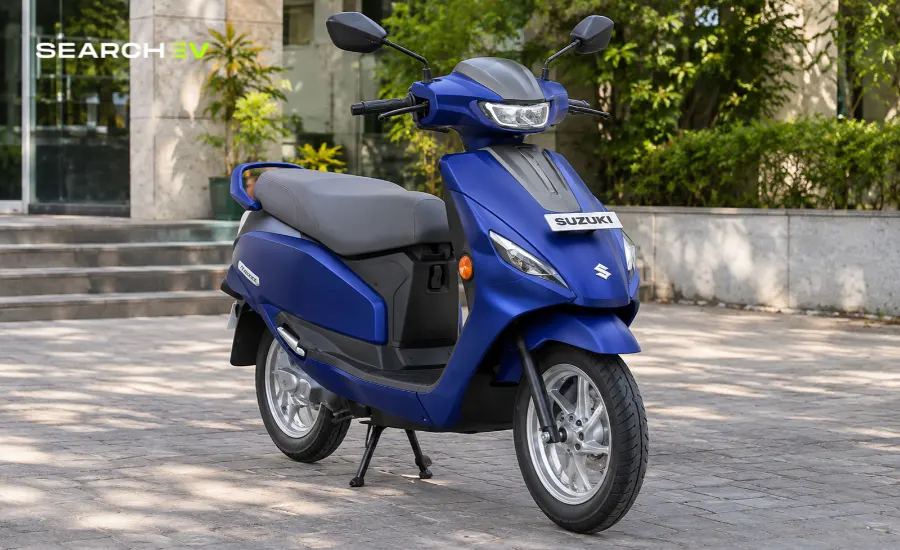
For someone who has spent years riding conventional petrol scooters, the Suzuki e-Access is another model worth considering.
Its traditional scooter proportions and familiar riding format may make the transition to electric mobility easier for riders who do not want an unfamiliar design.
The e-Access has a published seat height of 765 mm and a claimed IDC range of 95 km. It uses a fixed battery, so buyers should check their home or apartment charging arrangements before making a decision.
Key specifications:
- Claimed IDC range: 95 km
- Seat height: 765 mm
- Battery: Fixed lithium-ion battery
- Charging: Plug-in home charging
- Design: Conventional step-through scooter layout
Why it makes sense for senior citizens
Its familiar scooter layout may appeal to older riders who are already comfortable with traditional two-wheelers. The seat height is also within the range of several mainstream electric scooters currently available.
What to keep in mind: Its seat is higher than the Honda QC1’s. Riders who have difficulty placing their feet on the ground should take a proper test ride before considering it. Check the latest variant specifications and local service support as well.
Which of These Three Should You Choose?
The right choice depends on what the rider finds difficult and how the scooter will be used.
| Your priority | Model to test first |
| Lowest seat height | Honda QC1 |
| Lower vehicle weight | Honda QC1 |
| Longer seat and parking assistance | TVS Orbiter |
| More range options | TVS Orbiter |
| Familiar conventional scooter design | Suzuki e-Access |
| Short neighbourhood trips | Honda QC1 |
| Regular longer city commutes | TVS Orbiter V2 or Suzuki e-Access |
These are starting points for a test ride, not a guarantee that one model will suit every senior citizen.
5 Things Families Must Check Before Buying an Electric Scooter for Parents
A common mistake is for family members to select a scooter based on online specifications and then expect their parents to adapt to it. The person who will ride the scooter should be involved in the decision from the beginning.
Here are five checks that matter more than a long feature list.
1. Can the rider place their feet comfortably on the ground?
Ask the rider to sit naturally on the scooter with both hands on the handlebar. Check whether they can place their feet securely on the ground without stretching.
Do not consider seat height alone. A wide seat can make a scooter feel taller than its specification suggests.
2. Can they move the scooter without assistance?
Ask them to move the scooter forward and backward in a parking space. Check whether they can manage its weight when the motor is switched off.
This is particularly important for riders who park in narrow garages or need to reposition their scooter regularly.
3. Is the acceleration predictable?
Electric scooters can deliver torque immediately. A sudden response from the throttle may surprise someone who is not accustomed to electric vehicles.
Test how smoothly the scooter starts and whether its gentler riding mode is comfortable.
4. Are the brakes easy to operate?
Check whether the rider can reach and operate both brake levers comfortably. The scooter should stop predictably without requiring excessive hand strength.
5. Can they use the stand and parking features?
The side stand, centre stand and reverse function should not require more physical effort than the rider can comfortably manage. Try these operations during the dealership visit.
Are Low-Speed Electric Scooters Better for Senior Citizens?
Not necessarily. Low-speed electric scooters can be suitable for short neighbourhood trips, but their lower top speed does not automatically make them safer.
Buyers should check the vehicle’s braking system, tyres, stability, lighting, build quality and service support. They should also verify its legal classification and whether a driving licence, registration and insurance are required.
Only qualifying vehicles that meet the applicable Indian motor vehicle rules are exempt from the usual registration and driving-licence requirements. Do not rely solely on a dealer’s claim that a scooter is licence-free.
For senior citizens who regularly travel on roads with faster-moving traffic, a properly registered scooter with suitable performance may be more appropriate, provided the rider is comfortable and legally eligible to use it.
Final Word
The best electric scooter for a senior citizen is not necessarily the one with the highest range or the most features. It is the one that the rider can operate confidently without struggling to get on, balance, stop or park.
Our three recommendations cover different needs:
- Honda QC1: Start here if a lower seat and lighter weight are the main priorities.
- TVS Orbiter: Consider it for a longer seat, parking assistance and multiple battery options.
- Suzuki e-Access: Worth testing if the rider prefers a familiar scooter layout.
Before finalising the purchase, compare the electric scooters listed on SearchEV and use the SearchEV EV comparison tool to evaluate the models. Most importantly, let the senior citizen take the test ride themselves.
Frequently Asked Questions
1. Which electric scooter has the lowest seat height for senior citizens?
The Honda QC1 has a published seat height of 704 mm among the three models discussed here. It is worth considering for riders who prefer a lower seating position.
2. Is a lightweight electric scooter better for elderly riders?
A lighter scooter can be easier to move and reposition when parked. However, stability, seat design, braking and the rider’s ability to balance the vehicle are equally important.
3. Should I buy an electric scooter for my parents without a test ride?
No. The actual rider should test the scooter. They should be able to mount it, stop, turn, park and operate the brakes comfortably before a purchase decision is made.
4. Is the TVS Orbiter suitable for senior citizens?
The TVS Orbiter is worth considering because of its long seat and forward/reverse parking assistance. However, its weight differs between variants, so older riders should test the exact version they intend to buy.
5. How much range does a senior citizen need?
That depends on the daily travel distance. Someone travelling 10–15 km around their neighbourhood may not need a large battery, while a rider covering longer distances should consider additional range for traffic, detours and battery ageing.