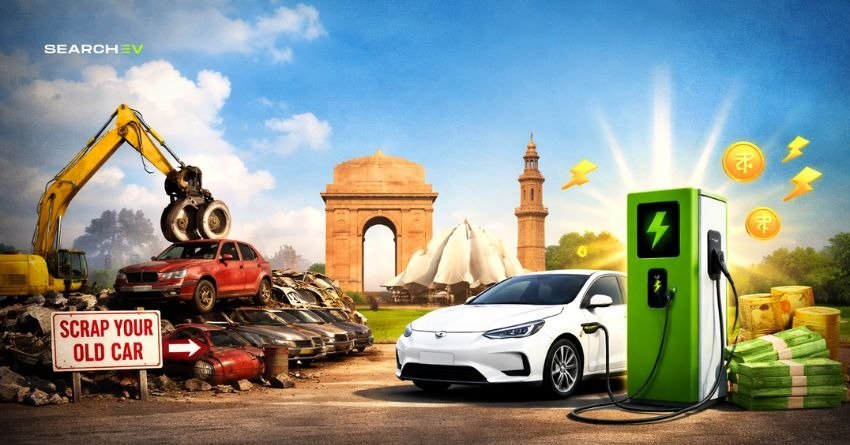
The highly awaited Delhi EV Policy 2.0 is officially out, and it fundamentally flips how electric vehicle subsidies are distributed in the national capital. Backed by a ₹200 crore budget allocation for 2026, the revised framework brings a massive “scrappage-first” approach, giving EV buyers financial benefits of up to ₹1 lakh. However, unlike the previous policy, these top-tier incentives are no longer unconditional handouts.
What is Delhi EV Policy 2.0 & Why is it Important?
The EV Policy 2.0 is a strategic pivot for the city. It shifts the traditional, relatively straightforward approach of subsidising the upfront cost of an EV to actively cleaning up the capital’s streets. By strictly linking the highest financial incentives to the scrapping of older, high-emission vehicles, the government is ensuring that every new subsidised EV actually replaces a polluting car on the road, rather than just adding to the city’s severe traffic congestion.
The Exact Policy Details
The headline number of “₹1 Lakh” isn’t a blanket application to all new EV purchases. There are some strict conditions to ensure the subsidies hit the mass market and genuine upgraders. Here is the exact breakdown:
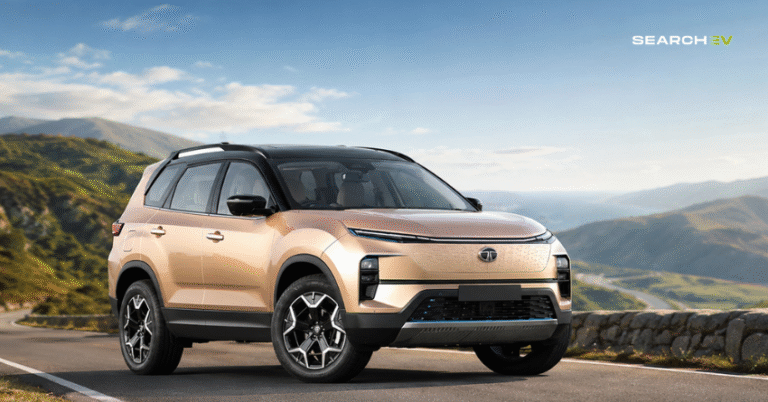
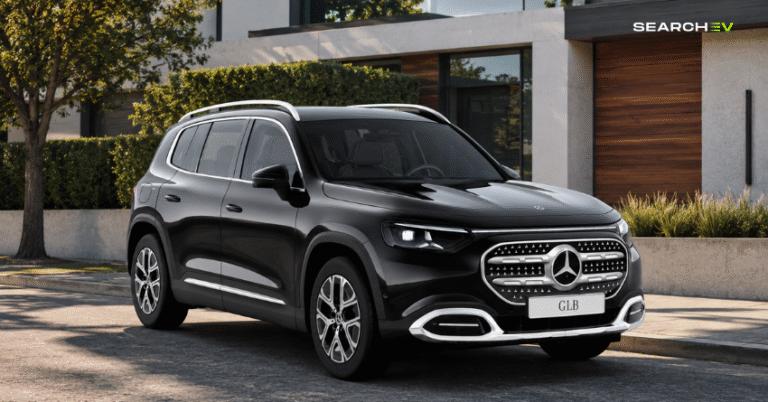
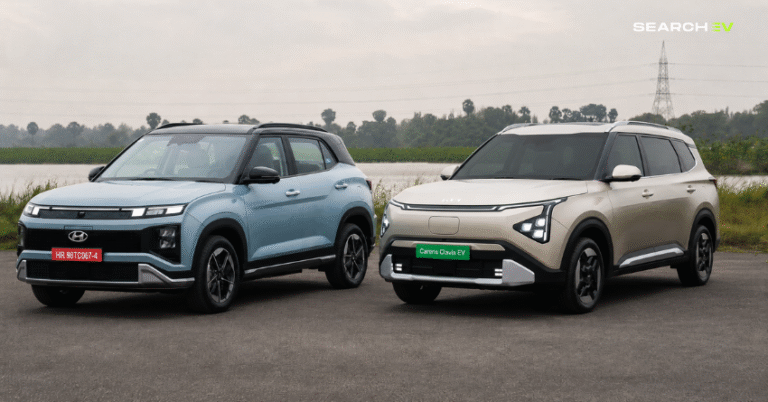
- The ₹1 Lakh Car Incentive: You can claim up to ₹1 lakh on a private electric car, but it must have an ex-showroom price of under ₹15 lakh. Furthermore, this benefit is capped at the first 1,00,000 applicants.
- The Scrappage Catch: To get the maximum benefit, you must submit a “Certificate of Deposit” proving you scrapped a Delhi-registered BS-IV (or older) petrol or diesel vehicle at an authorised facility. You then have six months from the certificate date to buy your new EV.
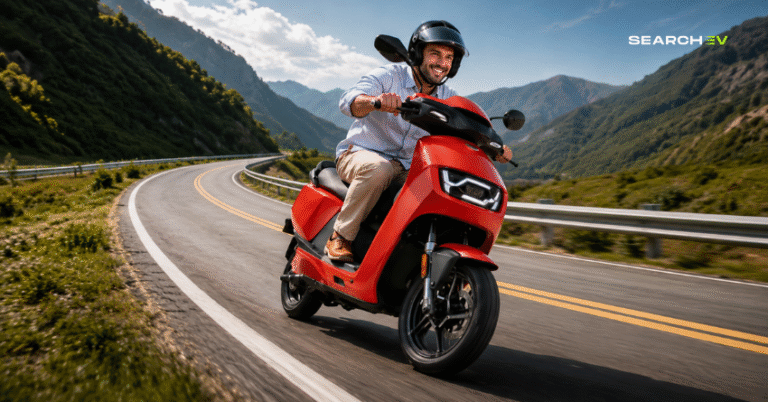
- Two-Wheelers & Three-Wheelers: The policy moves to a simplified flat subsidy structure. Buyers get a flat ₹10,000 for electric two-wheelers. On the other hand, the L5M category electric three-wheelers receive a flat ₹25,000 subsidy.
- Retrofitting Bonus: For buyers who are not willing to part ways with their existing ICE car, they get the option to receive a ₹50,000 grant when they convert their existing ICE car into an EV using a certified retrofit kit.
- Tax Waivers with a Ceiling: The older EV policy included a full waiver on road tax and registration fees. This incentive has been extended and will remain valid until March 31, 2030. However, the Delhi government aims to ensure that this benefit is provided only to those who truly need it. To achieve this, they have restricted the road tax waiver to EVs priced at up to ₹30 lakh, effectively closing the loophole that allowed luxury vehicles to qualify.
- Faster Payments: Direct Benefit Transfers (DBT) will be linked to Aadhaar-based e-KYC to cut payout wait times from over 40 days down to under a week.
EV Policy 1.0 vs. 2.0: What Changed and When Did It End?
Delhi’s original EV Policy 1.0 was launched in August 2020 and relied on straightforward, upfront purchase subsidies (for instance, linking two-wheeler subsidies to battery capacity). Its initial three-year term lapsed in August 2023, but it was extended multiple times to sustain market momentum. The final extension pushed the old framework through to March 31, 2026, giving the government time to undergo public consultations before officially rolling out this finalised 2.0 draft.
The Road Ahead
The new framework sets an aggressive roadmap for a greener capital. To tackle range anxiety, the government is pushing heavy infrastructure mandates, requiring all vehicle dealerships to install at least one public charging point, with a broader goal of establishing 18,000 charging stations by the end of 2026.
The Delhi EV 2.0 policy’s fundamental approach has been to not only push greener adoption with zero-emission vehicles, but also to phase out polluting vehicles. Therefore, the policy aims to freeze the registration of fossil-fuel-powered three-wheelers as early as August 2026, transitioning all permits to e-autos, and eventually expanding those bans to non-electric two-wheelers.