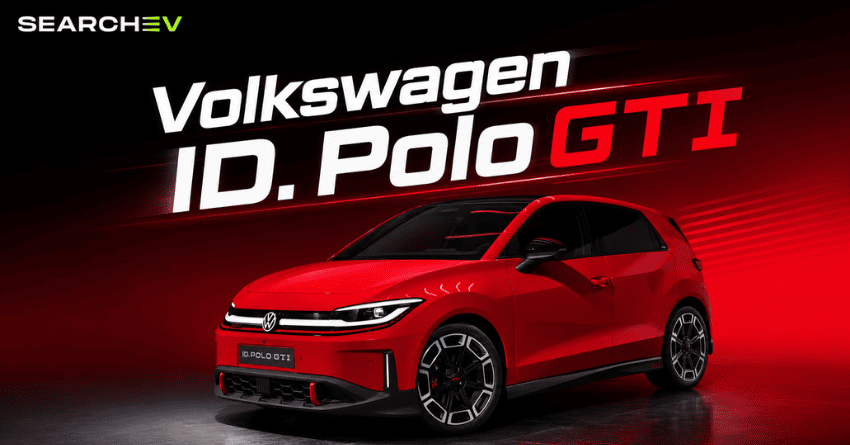
Exactly 50 years after the original Golf GTI birthed the hot hatch segment, Volkswagen is rewriting the rulebook. In a highly symbolic move, the German automaker officially pulled the covers off the ID. Polo GTI this weekend, debuting the vehicle amidst the high-octane atmosphere of the 24h Nürburgring endurance race.
Marking a historic pivot for the brand, the ID. Polo GTI is the very first pure-electric model to ever wear the coveted Gran Turismo Injection badge. While purists might mourn the absence of a turbocharged engine and a snappy dual-clutch transmission, the underlying technical specifications prove Volkswagen is entirely serious about adapting the hot hatch formula for the silent era.
Volkswagen ID. Polo GTI’s Powertrain: Instant Torque, Serious Speed
At the heart of the new ID. Polo GTI is a heavily upgraded, front-axle-mounted electric motor producing a punchy 166 kW (226 hp) of peak power and 229 Nm of instant peak torque. The result is an electric hot hatch that can pull to 100 kmph from a standstill in just 6.8 seconds. But, it can only reach an electronically limited top speed of 175 kmph.
Powering the motor is a 52 kWh Nickel-Manganese-Cobalt (NMC) battery pack that’s cleverly integrated into the MEB+ platform using advanced Cell-to-Pack technology to shave off excess weight. While it utilises the exact same battery capacity found in the higher-spec standard ID. Polo EV, the GTI deliberately sacrifices outright efficiency in favour of performance. It claims a provisional WLTP (Worldwide Harmonised Light Vehicles Test Procedure) driving range of 424 km, roughly 30 km less than its standard sibling. When it is time to plug in, the architecture supports up to 105 kW DC fast charging, allowing a 10 to 80 percent top-up in a highly practical 24 minutes.
Hardware Honed for the Corners
A true GTI is defined by its cornering ability, not just its straight-line acceleration. To ensure that the ID. Polo GTI handles the winding canyon as competently as it tackles a daily urban commute, Volkswagen has armed it with serious mechanical hardware.
The electric hatch comes standard with an electronically lockable front differential, which is a critical piece of hardware borrowed directly from the ICE-powered Golf GTI, designed to drastically reduce understeer and maximise front-end grip. Furthermore, the vehicle sits on a revised suspension setup featuring Dynamic Chassis Control (DCC) adaptive dampers.
Drivers can toggle a dedicated “GTI” driving profile that instantly tightens the chassis, sharpens steering response, and alters the powertrain mapping for maximum performance.
Design and Cabin Experience
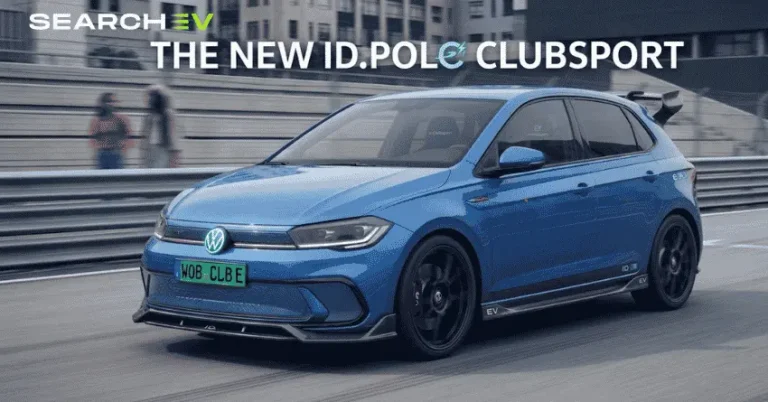
Visually, the ID. Polo GTI flexes its performance credentials without looking overly radical. It rides on massive 19-inch alloy wheels housed beneath redesigned, aggressive front and rear bumpers. Matrix LED headlamps, a new rear spoiler, and the traditional red GTI accents across the fascia successfully bridge the gap between retro charm and electric modernism.
Inside, the cabin is a deliberate nod to nostalgia while being wrapped in digital tech. It features a black-and-red interior theme alongside heavily bolstered sport seats. The equipment list is roughly identical to the standard Polo. The driver is greeted by a 10.25-inch digital instrument console featuring retro-themed virtual dials, complemented by a massive 12.9-inch central infotainment system.
Other notable features include a wireless phone charger and dual-zone climate control. For buyers seeking a more premium experience, Volkswagen offers an optional 10-speaker Harman Kardon sound system, a fixed panoramic glass roof, and 12-way power-adjustable front sport seats complete with a massage function.
Volkswagen ID. Polo GTI Price and Launch Date
Volkswagen has officially confirmed the ID. Polo GTI will hit the German market in the autumn of 2026. With a targeted starting price of just under €39,000 (approximately Rs 43 lakh).
Reportedly, a more powerful “Clubsport” variant is also in the works and is expected to join the lineup. The ID. Polo GTI Clubsport model is expected to deliver around 210 kW, up from 166 kW in the standard version.