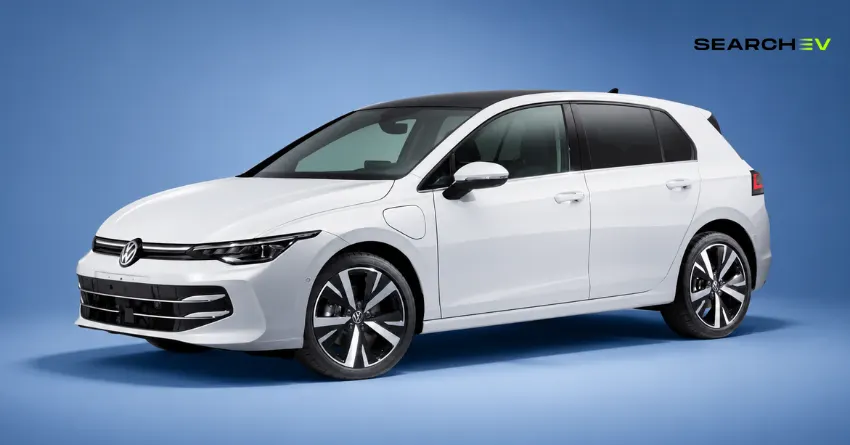
Volkswagen is realigning its electrification roadmap, as the brand has officially confirmed that the highly anticipated all-electric version of the Golf will not see the light of day until at least the end of the decade.
Originally speculated for a 2028 debut, the postponement of one of the world’s most recognisable automotive nameplates highlights the growing complexities legacy automakers face as they battle aggressive new rivals and complex software integrations. Speaking directly about the strategic shift, Volkswagen CEO Thomas Schafer stated they have a fantastic line-up already and don’t explicitly need an electric Golf in 2028.
The Math Behind the Delay: Scale and Margin Parity
The decision to put the electric Golf on ice is fundamentally driven by a vicious price war, heavily dictated by agile Chinese manufacturers who are aggressively undercutting traditional European brands.
To compete, Volkswagen realised it needed to fundamentally rethink its platform costs.
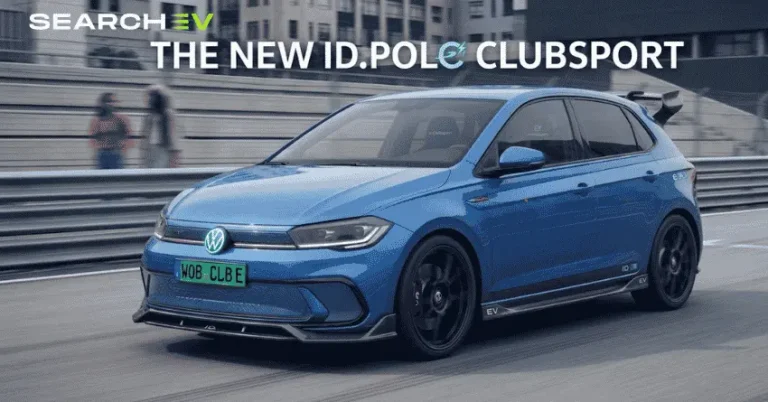
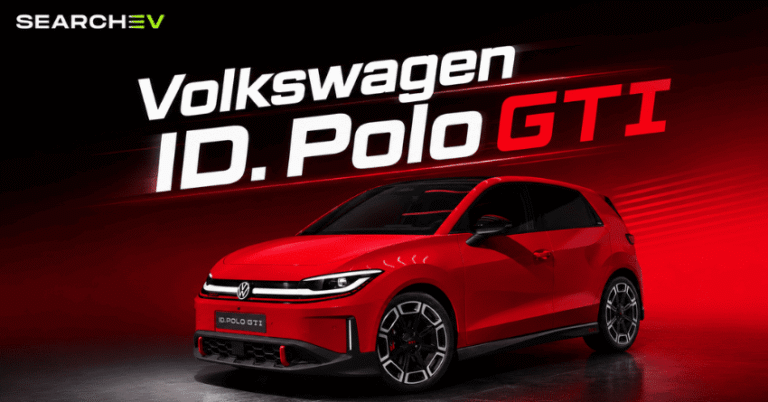
Schafer noted that to achieve margin parity between internal combustion engine (ICE) vehicles and EVs, the company must prioritise massive scale over rushed product launches. By holding back the Golf EV, Volkswagen is giving its current electric portfolio, specifically the recently refreshed ID.3 Neo, the upcoming ID. Polo, and the ID. Cross. It is essentially giving these models a breathing room to mature in the market and recoup development investments without cannibalising its own sales.
The SSP Architecture to be First Prioritised for Premium Models
The upcoming electric Golf is slated to be built on the Volkswagen Group’s all-new Scalable Systems Platform (SSP).
Designed to be the ultimate, unified architecture to eventually replace the current MEB and PPE platforms, the SSP promises an advanced 800V electrical architecture for ultra-fast charging, next-generation battery technology, and an entirely new software suite co-developed through VW’s joint venture with American EV-maker Rivian.
However, the rollout of this highly complex SSP platform is experiencing a change in strategy. When the platform is finally ready, Volkswagen plans to launch it on higher-margin premium vehicles from Audi and Porsche first, before trickling the technology down to mass-market models like the Golf.
What This Means for Enthusiasts and the Market
For the purists, the delay of the standard electric Golf inherently means that the electric GTI and Golf R variants are also pushed back deep into the 2030s. While Schafer has previously teased that the eventual electric GTI will be an absolute “monster,” enthusiasts will have to make peace with the ICE-powered Golf variants for the foreseeable future.