

| Specification | Kia PV7 |
|---|---|
| Body type | Electric van (purpose-built vehicle) |
| Seating | Up to 9 |
| Battery options | 71.5 kWh and 96.2 kWh lithium-ion |
| Claimed range | Up to 460 km (WLTP) |
| Power and torque | About 268 bhp, 420 Nm |
| Drive type | RWD or AWD, depending on version |
| Electrical architecture | 800V |
Kia PV7 Dimensions
| Dimension | Value |
|---|---|
| Length x Width x Height | 5,350 x 1,995 x 1,990 mm |
| Wheelbase | 3,500 mm |
| Doors | 4 doors plus a rear tailgate |
| Payload | Up to 1,200 kg |
| Ground clearance | Yet to be revealed |
| Kerb weight | Yet to be revealed |
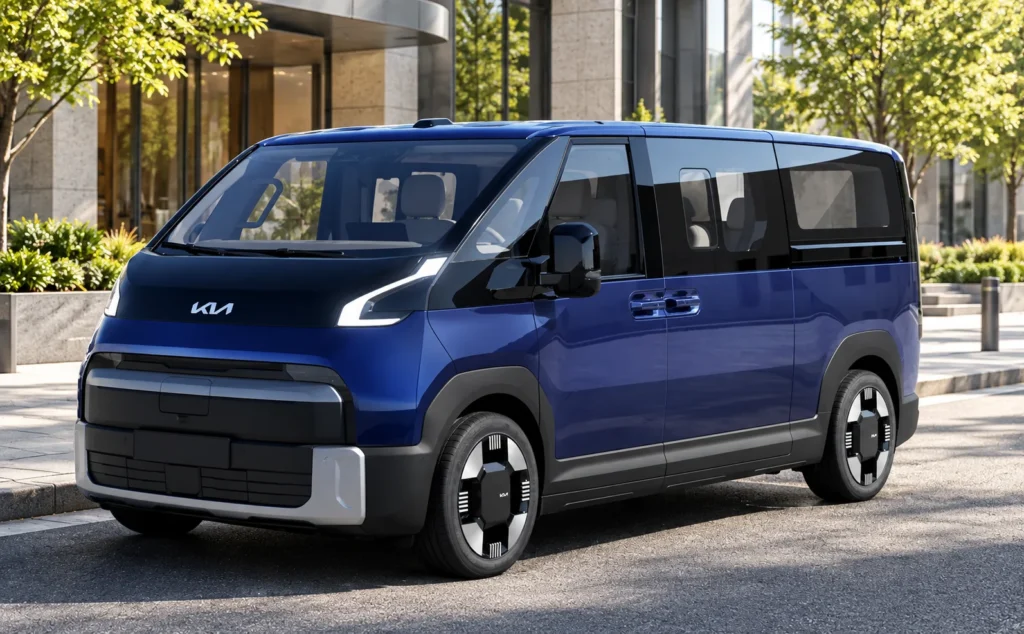
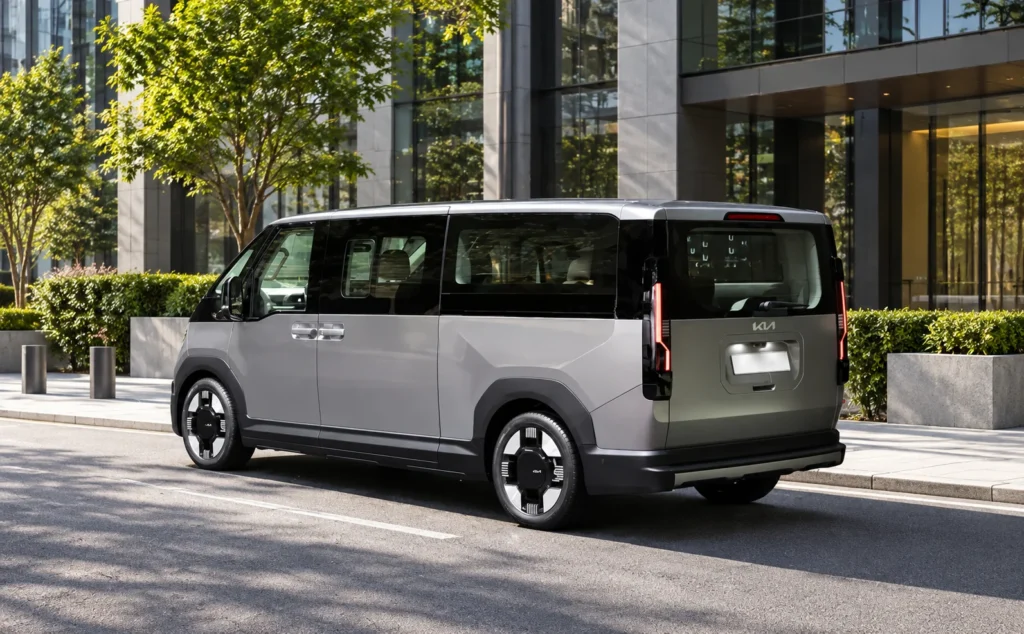
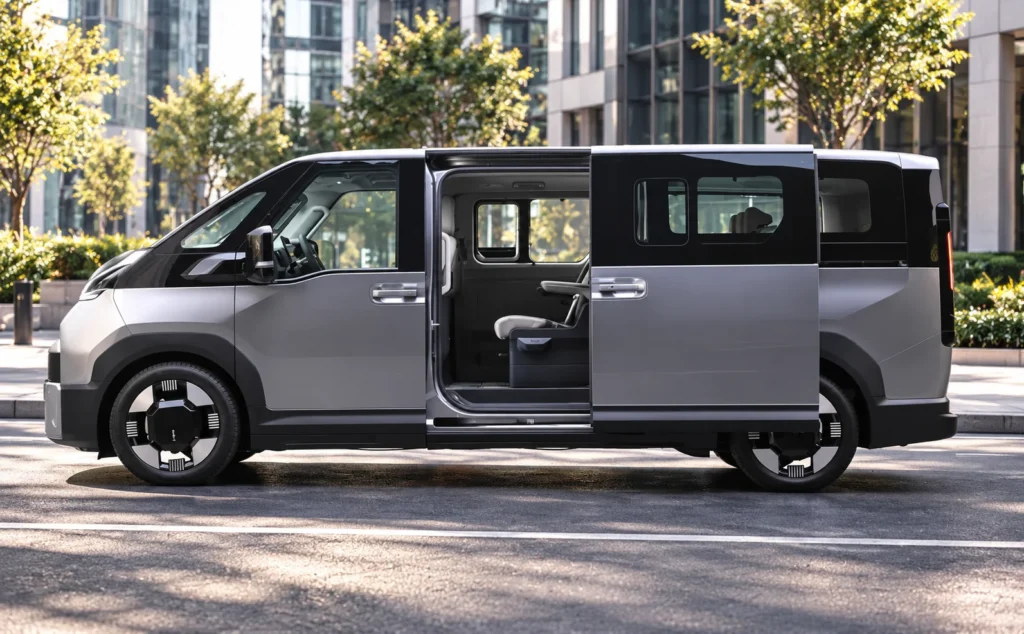
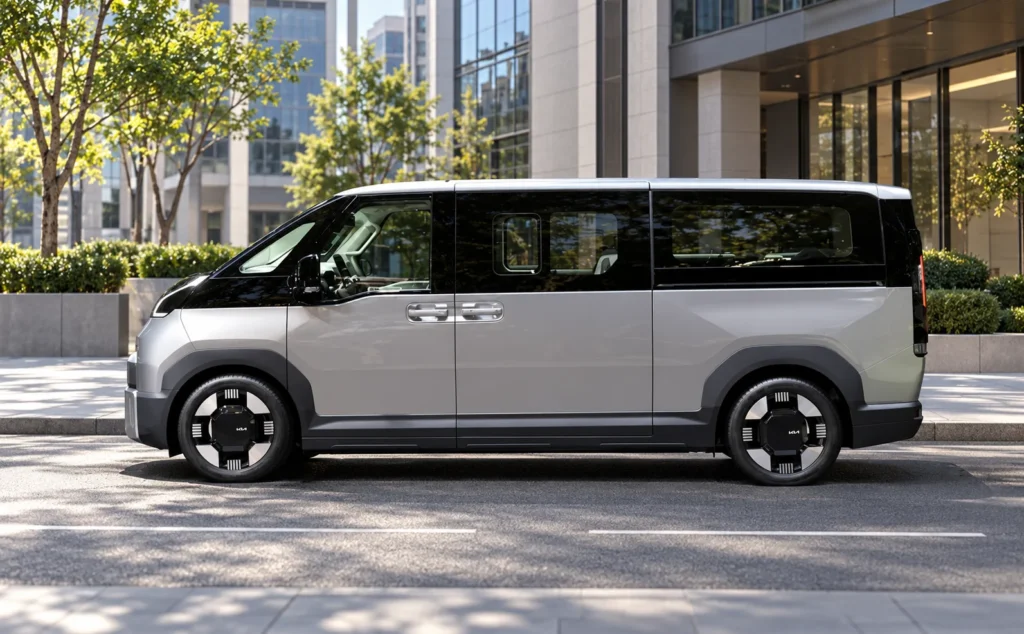
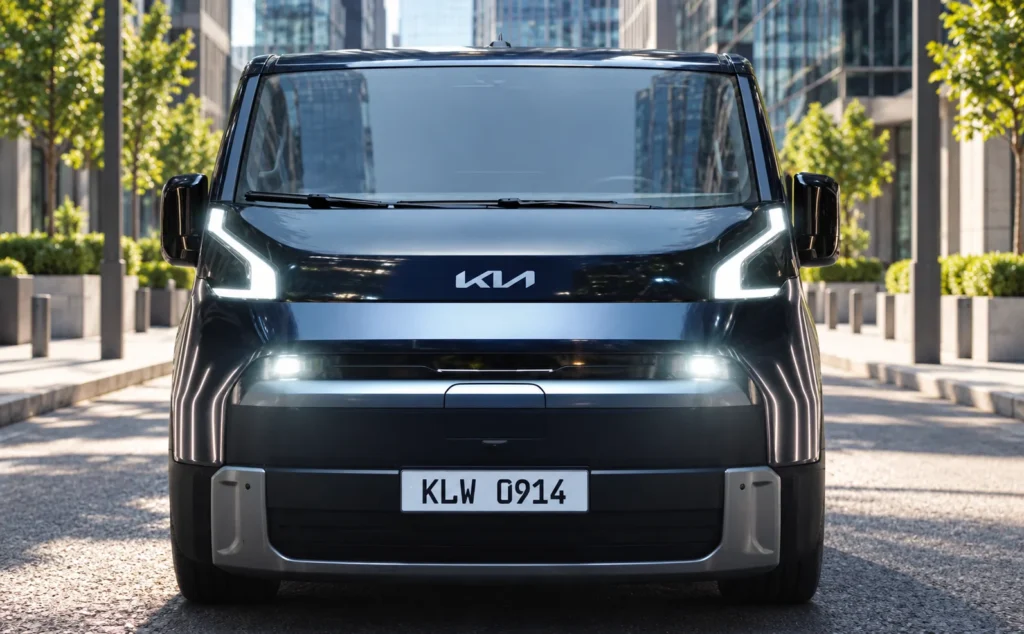
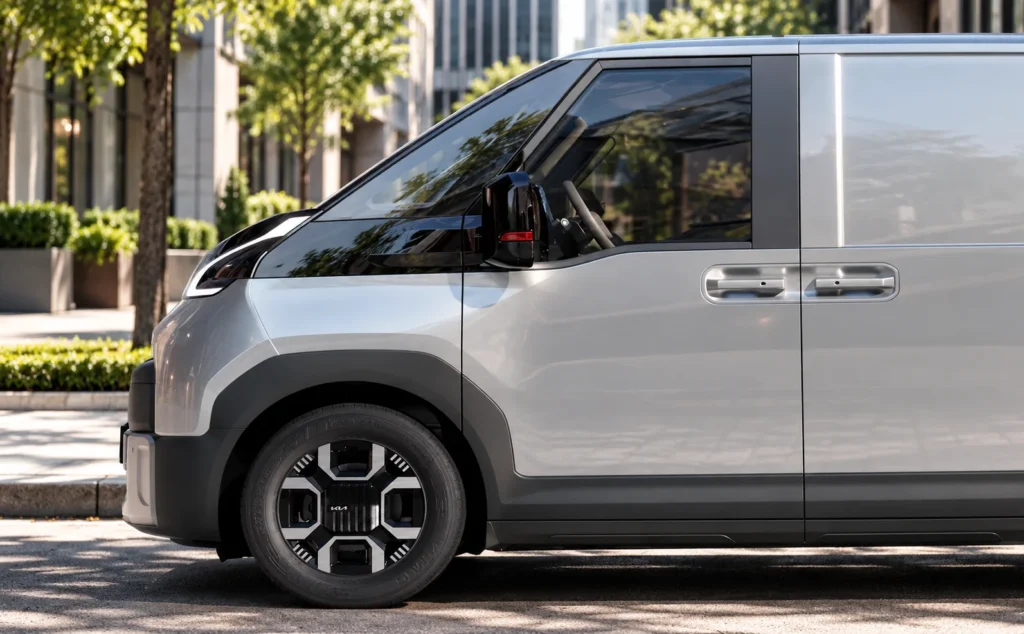
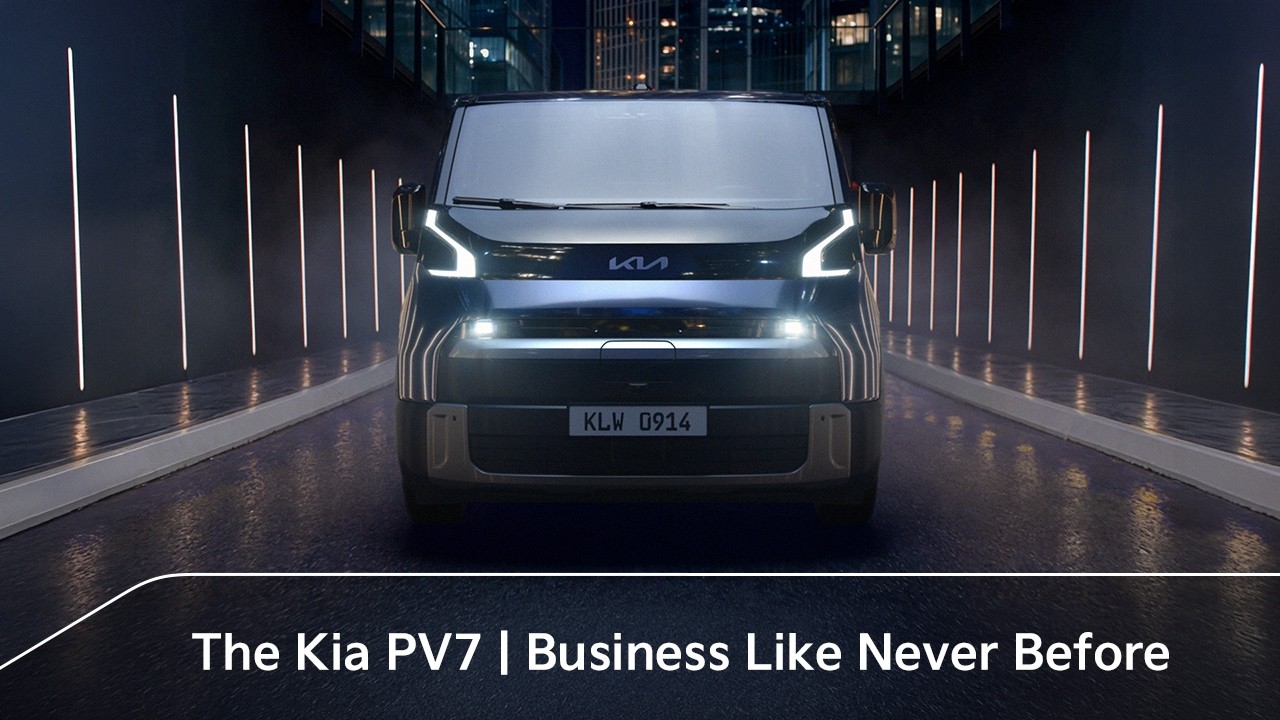
At 5.35 metres long and nearly 2 metres tall, the PV7 is far bigger than any electric SUV on sale in India. Moreover, its 3,500 mm wheelbase frees up room for three full rows of seats. As a result, it offers van-like space in a modern electric package. However, its size will make city parking and tight lanes more difficult.
Seating and Cargo Space
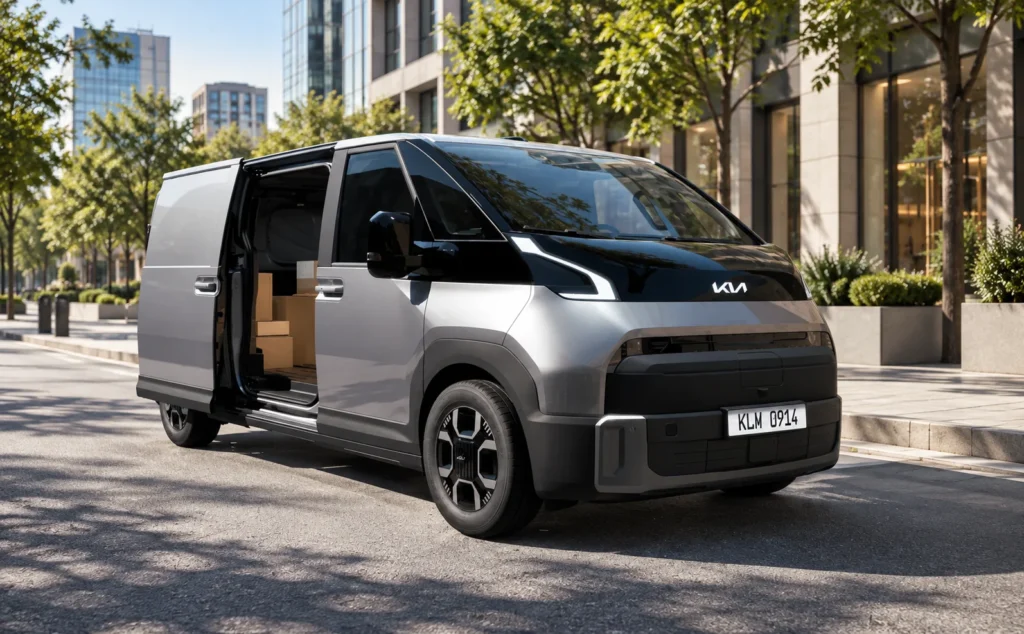
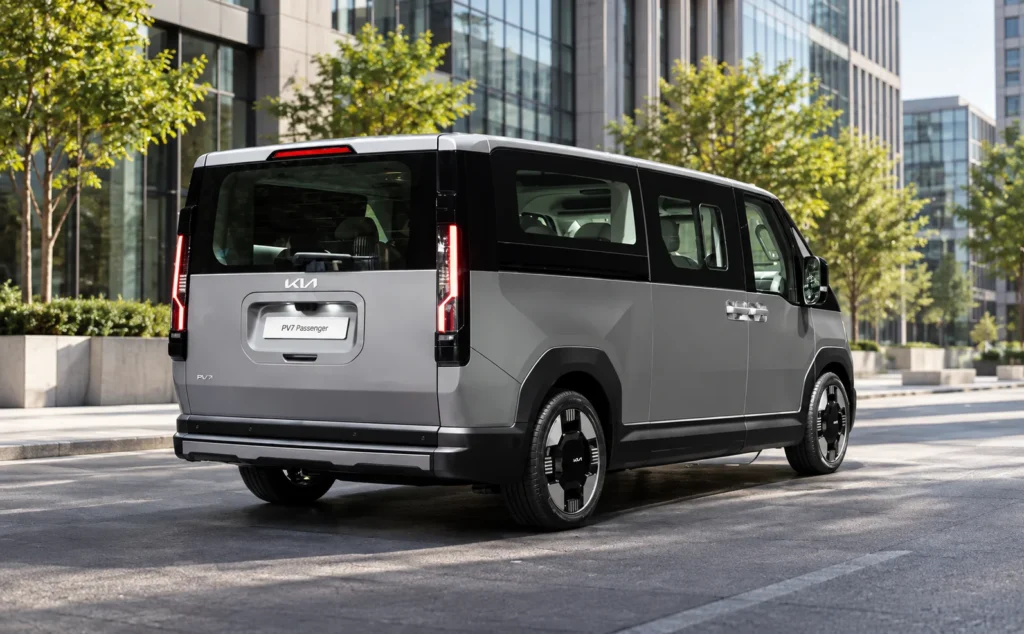
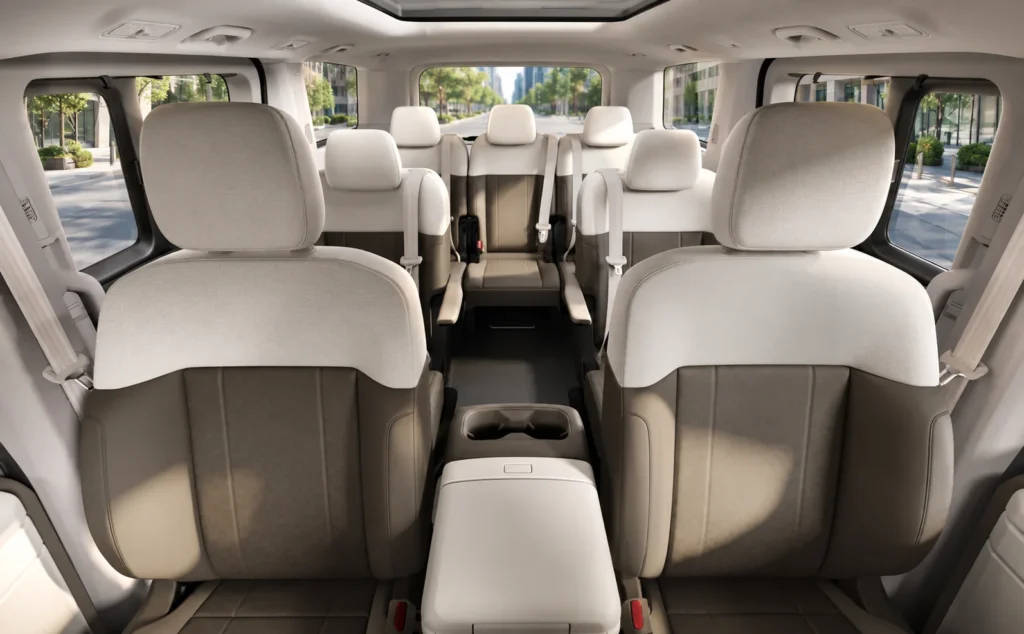
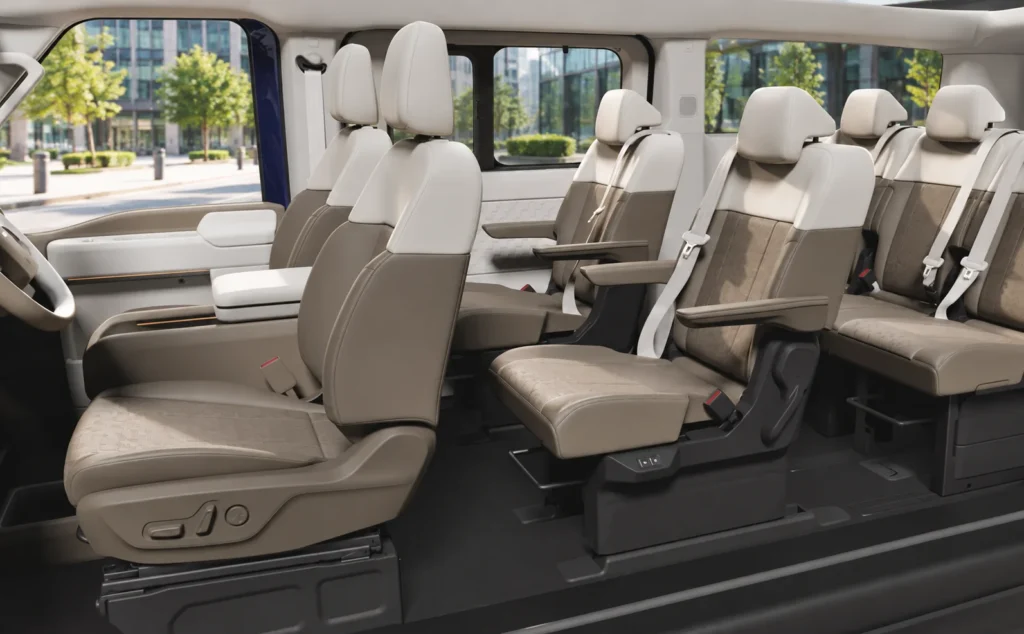
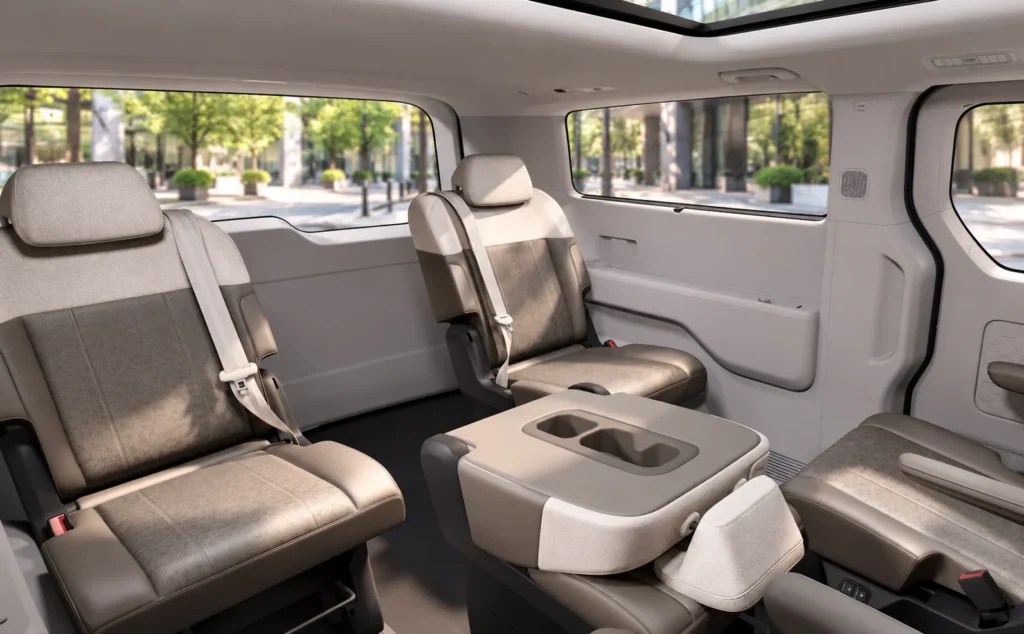
The PV7 seats up to 9 people in passenger form, with up to 11 seats offered in Korea. Meanwhile, cargo versions offer up to 6.1 cubic metres in the Cargo Long body and 8.0 cubic metres in the High Roof body. Moreover, it can carry up to 1,200 kg of payload, or 1,165 kg in the Long Cargo version. Therefore, it suits both large families and delivery businesses. Among the Kia PV7 specifications, its space and payload are the standout figures.
Battery and Range
Kia offers the PV7 with a 71.5 kWh or a larger 96.2 kWh lithium-ion battery. The bigger battery claims up to 460 km on the WLTP cycle in the Long Range Cargo version. In Indian driving, expect roughly 370 to 390 km with a light load. However, range will drop further with a full load of passengers or cargo. Moreover, the smaller battery’s range hasn’t been announced yet.
Motor and Drive
The PV7 uses a permanent magnet synchronous motor producing 200 kW (about 268 bhp) and 420 Nm. Moreover, it comes in rear-wheel-drive and all-wheel-drive versions with a single-speed automatic. Eco, Normal and Sport drive modes let you balance range and response. In addition, multiple regeneration levels and i-PEDAL one-pedal driving help in stop-go traffic. However, Kia hasn’t revealed its top speed or acceleration yet.
Kia PV7 Charging
| Charging method | Charging time |
|---|---|
| 350 kW DC fast charger (10 to 80%) | Around 25 minutes |
| AC charging | Yet to be revealed |
Thanks to its 800V architecture, the PV7 can charge at up to 350 kW on compatible DC chargers. As a result, it goes from 10 to 80% in around 25 minutes. However, such high-power chargers are still rare in India. Moreover, Kia hasn’t announced AC charging speeds or times yet. These Kia PV7 specifications put it up against large electric people movers like the MG M9 and BYD eMax 7.
Specs Yet to Be Revealed
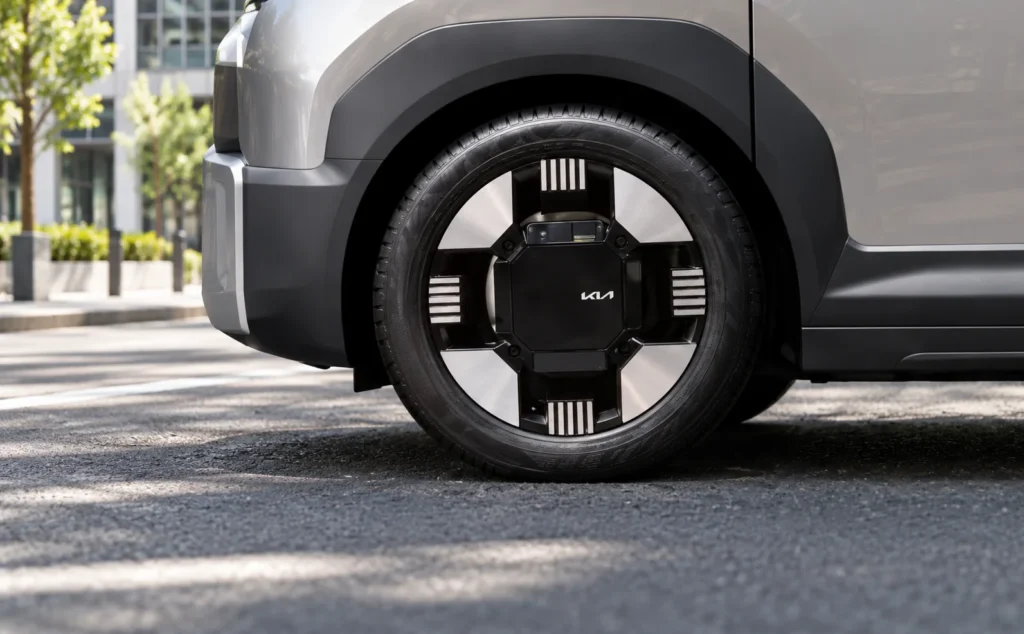
Kia hasn’t announced several key details for the PV7 yet. These include ground clearance, kerb weight, top speed and 0 to 100 km/h time. Moreover, suspension, brakes, wheel sizes and warranty terms remain unconfirmed. Kia plans to launch the PV7 first in Korea and Europe in the second half of 2027. Therefore, India-spec details should follow after that.

What's good
-
 Long-range capability with over 460 km targeted WLTP range on the Long Range Cargo version.
-
Large cargo capacity, offering up to 6.1 m³ in Cargo Long and 8.0 m³ in Cargo High Roof.
-
High payload capacity of up to 1,200 kg, depending on configuration.
-
Very fast 800V DC charging, with 10–80% charging targeted in the mid-20-minute range using a 350 kW charger.
-
Flexible passenger configurations, with up to 9 seats globally and up to 11 seats in Korea.
-
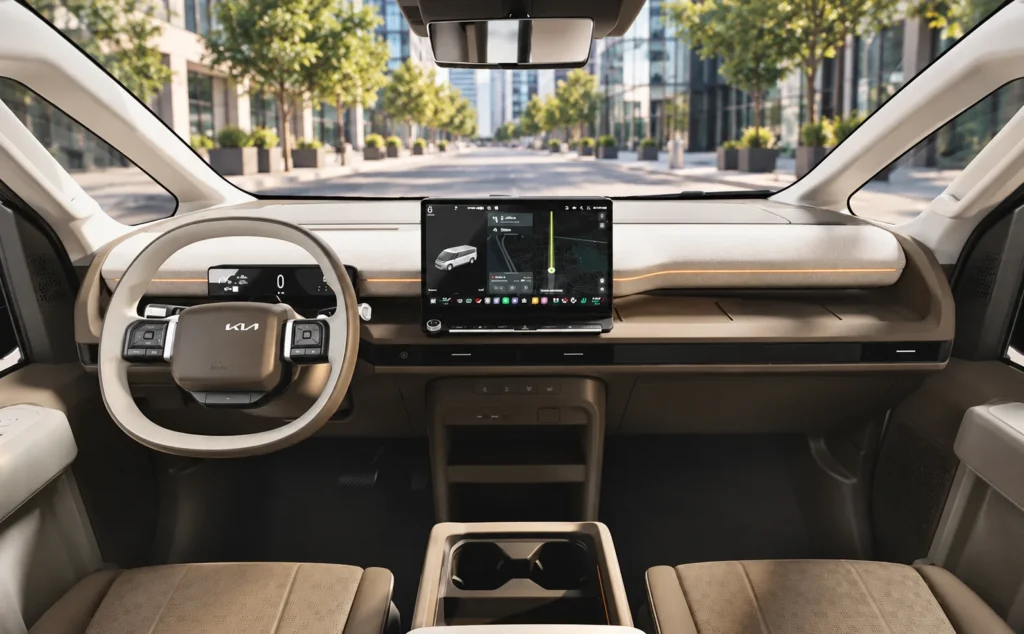
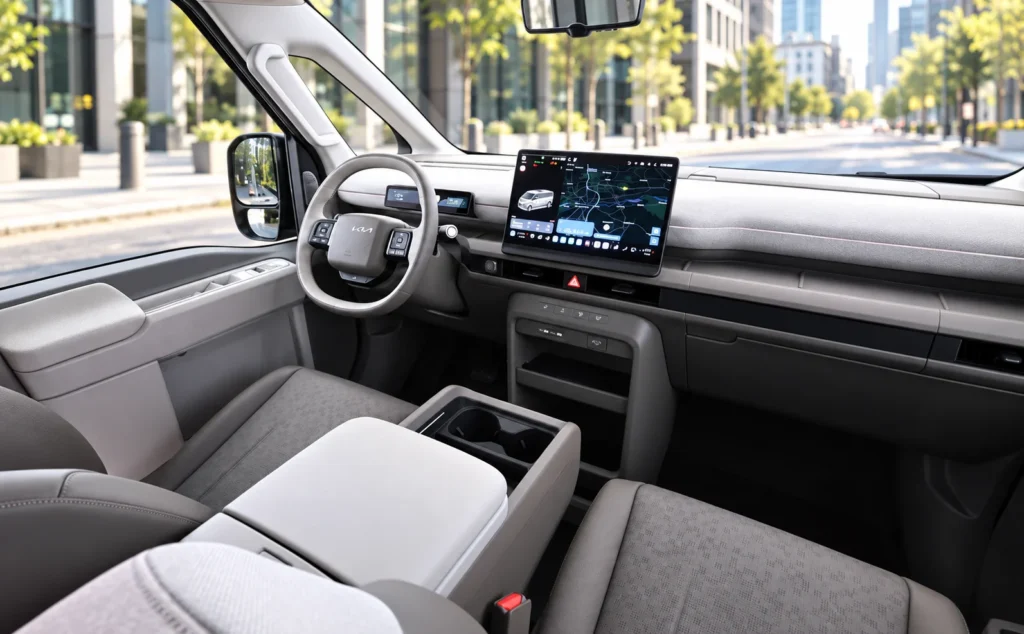
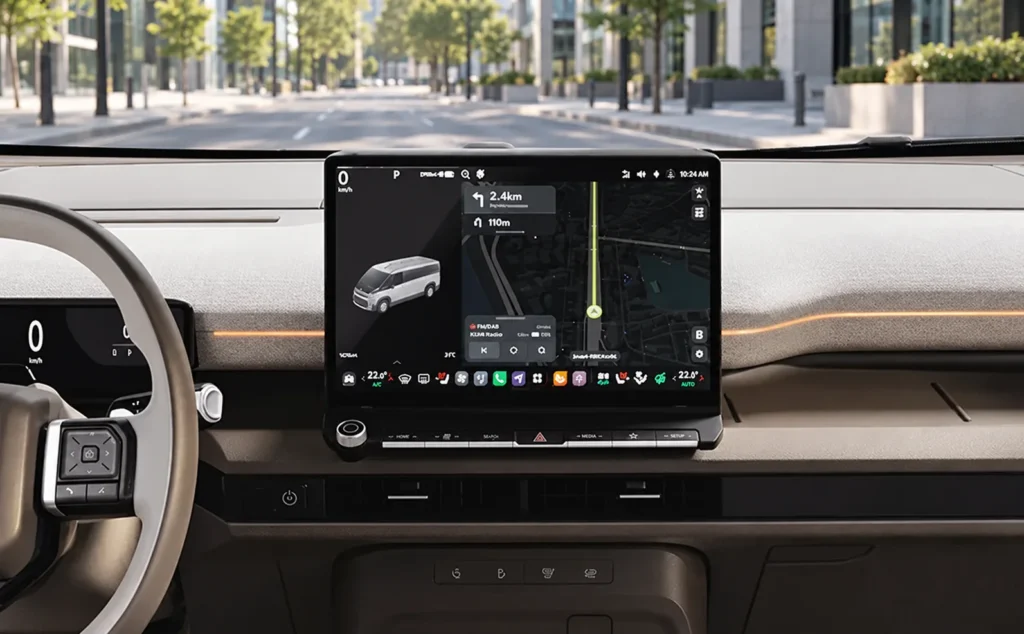
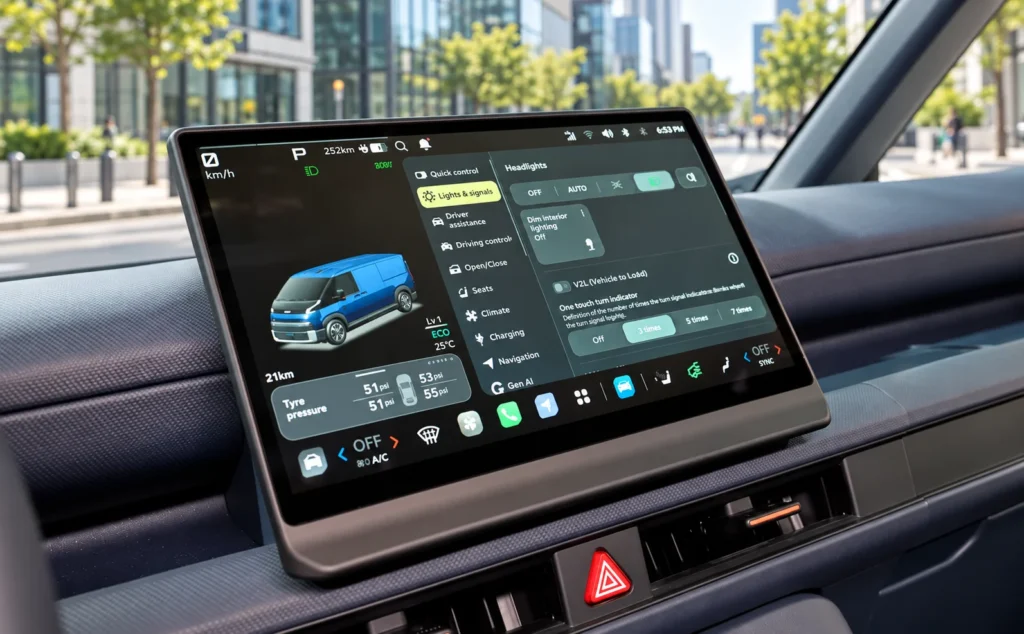
Advanced connected technology, including Pleos Connect, Gleo AI voice assistant and OTA updates.

What's not so good
-
 Large exterior dimensions can make city parking and manoeuvring more difficult.
-
Top speed and acceleration figures have not yet been officially disclosed, limiting performance comparisons at this stage.
-
India launch and pricing are not yet confirmed, with the initial launch planned for Korea and Europe in H2 2027.
-
Charging performance depends on access to high-power DC infrastructure, particularly for its headline fast-charging capability.
-
Large size and commercial-vehicle design may be less suitable for buyers looking for a conventional SUV or passenger car.
-
Specifications vary by configuration and market, including battery, seating, cargo capacity and available ADAS equipment.
 481Km/c
 235Kmph
 18Mins


 Connect Now