Quick Reads
- The tax on electric vehicles will be 5-10% of the vehicle’s cost, depending on its price
- Buyers of vehicles costing Rs 10 lakh and above will be the most affected
- Upfront costs are set to increase with this move, making EVs a little less accessible
The Karnataka government has passed a bill to increase taxes on the purchase of an EV. This new structure will be based on the price bracket of the electric vehicle. So, if you are planning to buy one soon, this move may definitely affect your budget. Here’s a breakdown of the new tax structure:
In this new structure, electric vehicles, which cost up to Rs 10 lakh, will now attract 5% of the vehicles’ on-road cost as tax. For vehicles costing from Rs 10 lakh to Rs 25 lakh, this amount will be 8%. For premium high-end EVs priced above Rs 25 lakh, the tax will be 10%.
Who Will Be Affected?
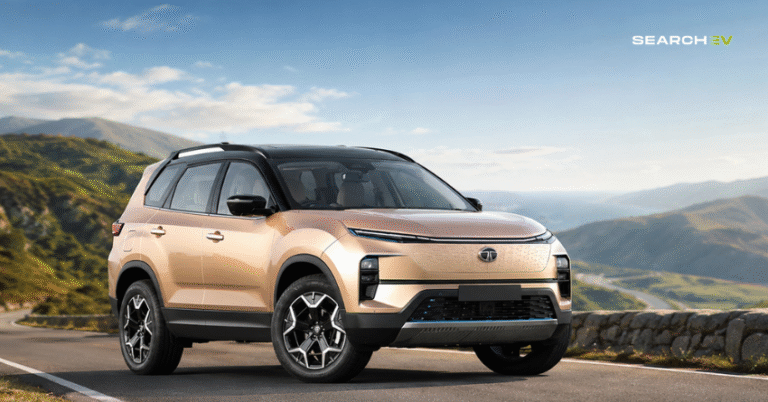
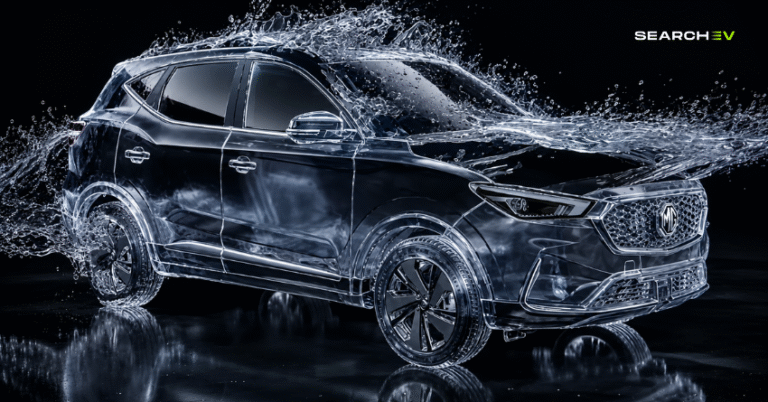
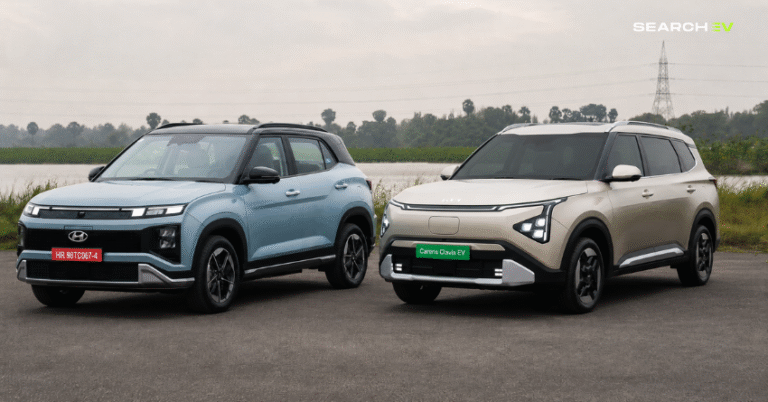
In the Indian market, the most popular EVs, such as the Tata Nexon EV, Hyundai Creta Electric, and MG Windsor, are priced between Rs 10 lakh and Rs 25 lakh. So, these are the buyers who will be the most affected ones.
The smaller electrics, like the Tata Punch EV, the Tata Tiago EV, and the MG Comet, among others, will now attract 5% of taxes, which is still relatively low. But most of the buyers for these cars are first-time owners who are quite budget-conscious. For them, this increase in price can be an additional hurdle.
How This Affects The Price
While the EVs had the road tax waiver earlier, you still had to pay for the registration and insurance, which already makes a significant portion of the vehicle’s on-road price. But, with this new tax regime, EVs are most likely to face their primary nemesis – high upfront costs. Apart from all of this, you might also get optional add-ons with your vehicle, which may further increase your total cost.
What We think
In our opinion, with this move, the Karnataka government is trying to create a balanced and consistent revenue stream. While the initial efforts to boost EVs have been fruitful, the state plans to recover the tax income they missed out on in this period from high-end, well-off buyers.
With this move, we think the government’s early push for the go-green narrative has come to an end, giving way to a more balanced approach, where the state will have an additional revenue source.
The EVs will still offer the benefit of lower running and maintenance costs, but the upfront affordability of these vehicles will definitely take a hit. This move could also push manufacturers towards the development of more cost-effective EVs under Rs 10 lakh in the near future. So, if you are planning to buy an EV soon, this might be your best opportunity because prices are going to head only in one direction: Upwards.