Frunk Space, Boot Space, Cabin Space
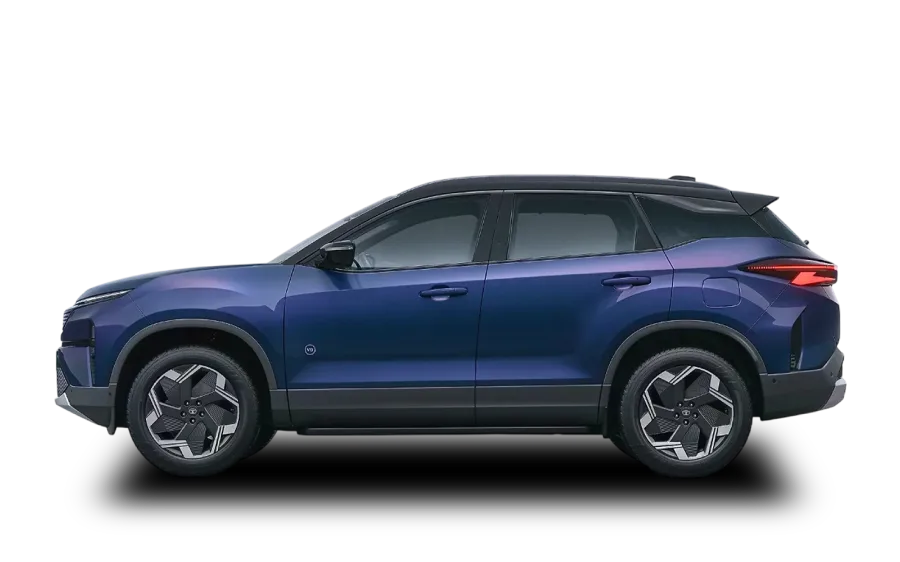
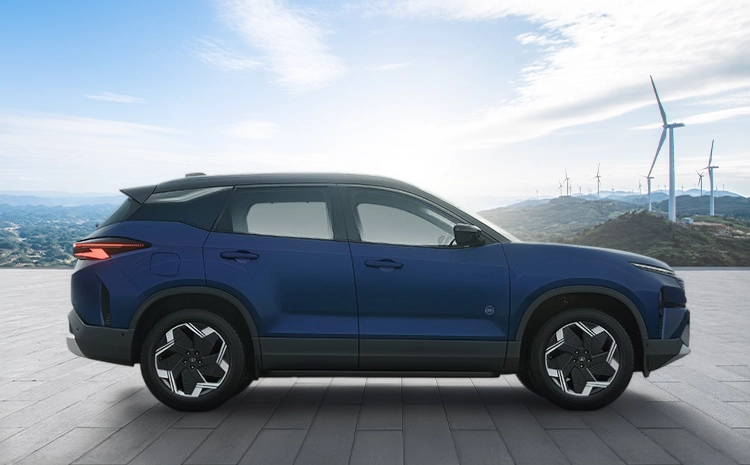
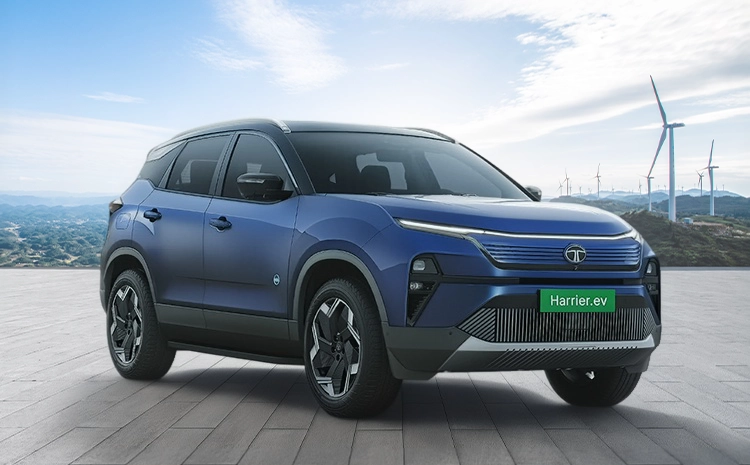
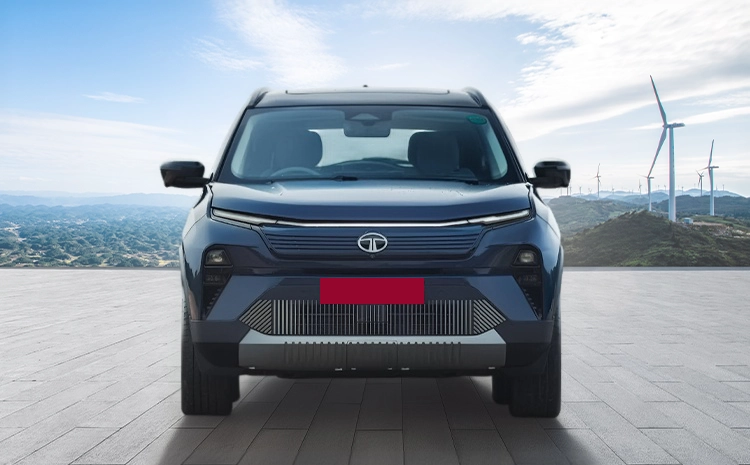
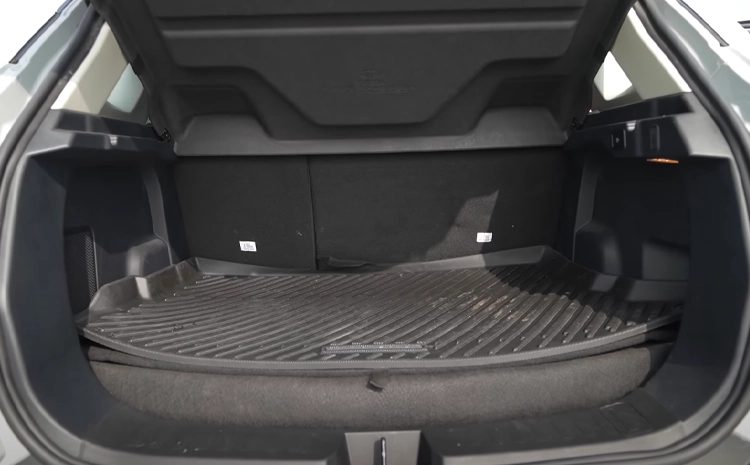
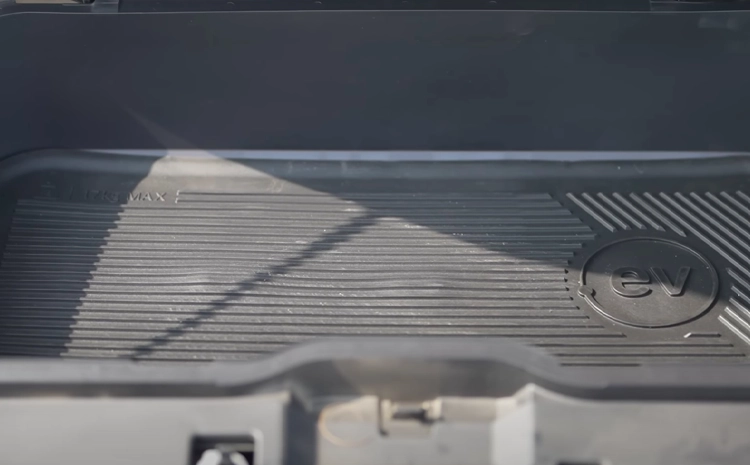
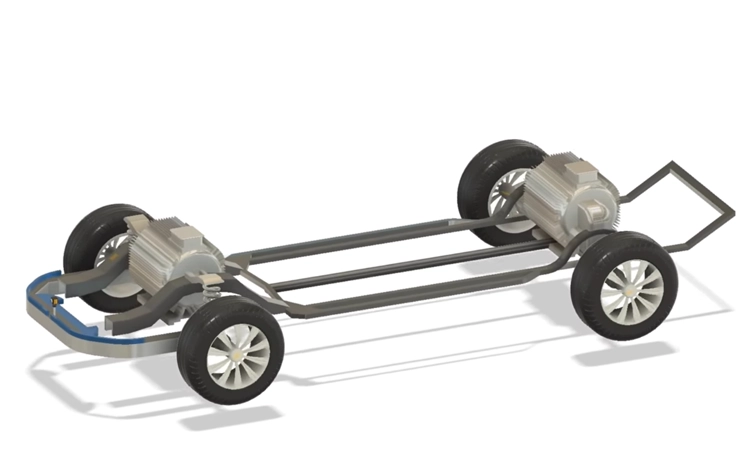
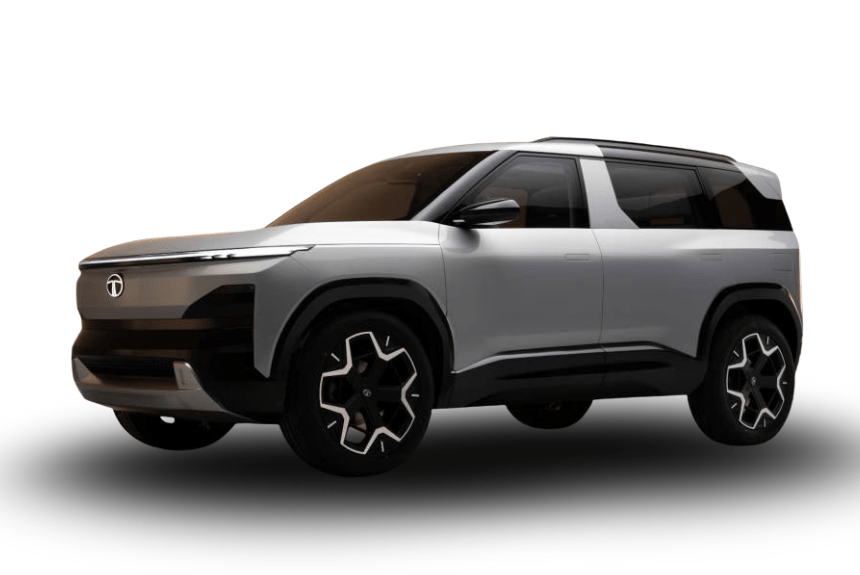
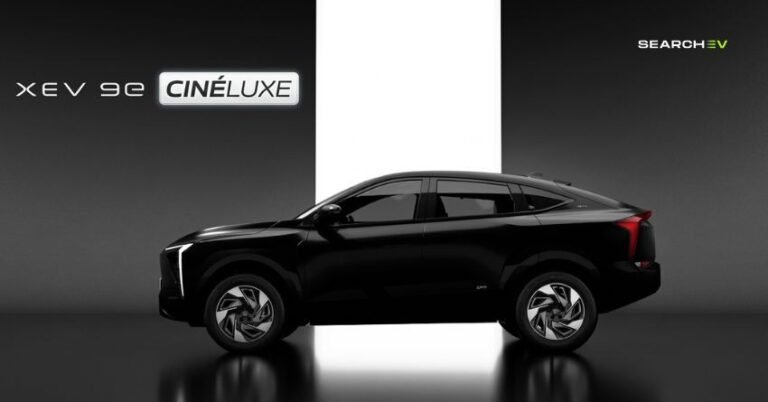
Storage is a bit of a mixed bag. Because of the rear motor, the boot floor is noticeably raised. While Tata claims a total boot capacity of 502 litres up to the roof (compared to XEV 9e’s 663 litres), the usable space underneath the parcel tray is slightly less than the diesel Harrier’s 445 litres. On the plus side, the EV architecture brings a frunk into play: you get a very usable 67 litres (with a 35 kg weight limit) on the RWD versions, which shrinks to 35 litres (17 kg limit) on the AWD variants due to the front motor.
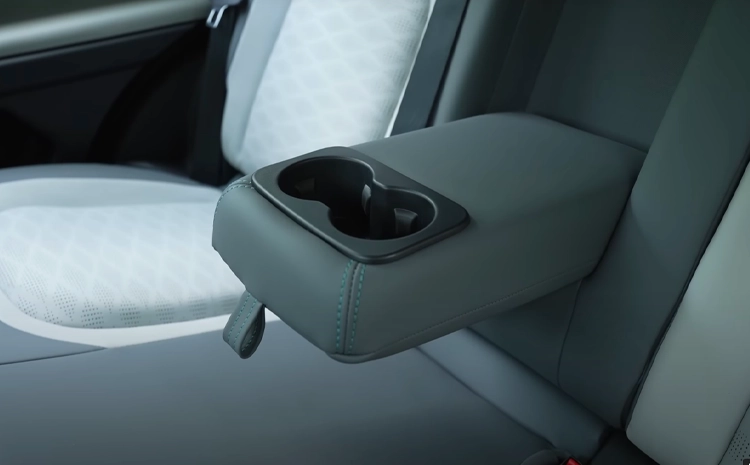
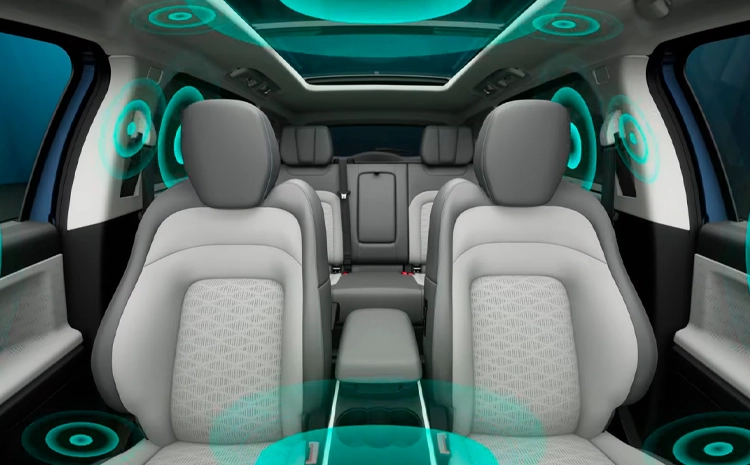
Inside the cabin, storage is generous and well-thought-out. You get large bottle holders in the doors, a spacious glove box, a cooled centre console box, and strategically placed cup holders. Rear passengers are equally well catered to with ample knee room and legroom, manual window shades, USB-C ports, and a very convenient ‘boss mode’ lever to slide the front passenger seat forward.
Headroom, Sitting Posture, Under-thigh support
The front seats are wide, well-bolstered, and comfortable for larger occupants. The driver gets 8-way electric adjustment with memory and a welcome function, though lumbar support is manual.
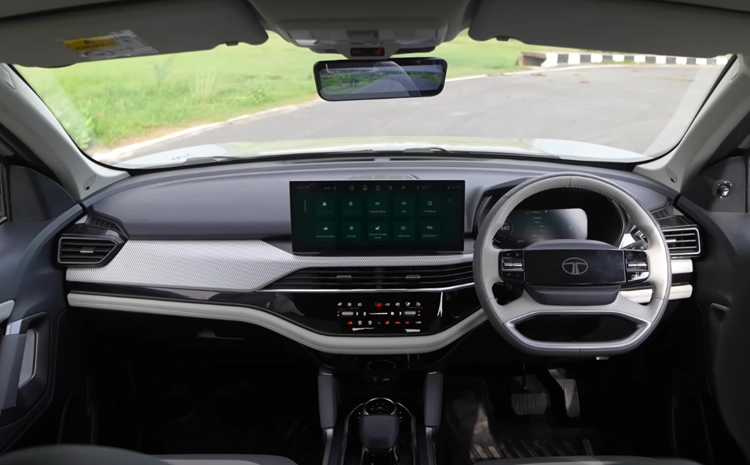
However, the raised floor (about 20 mm higher due to the battery) does reduce under-thigh support and limits seat travel, especially for drivers around 6 feet. Moreover, the dashboard may still intrude on the driver’s left knee if they sit close.
At the rear, three passengers can sit comfortably thanks to the flat floor. The winged headrests are very comfortable, though the missing middle headrest is a drawback and the rear under-thigh support is again slightly compromised by the raised floor.