Buying an electric car is one thing, but taking it on a long highway journey without constantly looking for a charging station is a different experience altogether. This is exactly why driving range has become one of the biggest factors influencing EV buyers in India.
A few years ago, finding an electric car with a claimed range of 400 to 500 km was considered a big deal. Today, things have changed considerably. Several manufacturers have introduced electric SUVs with claimed ranges approaching 700 km, while a few premium models have even crossed that mark.
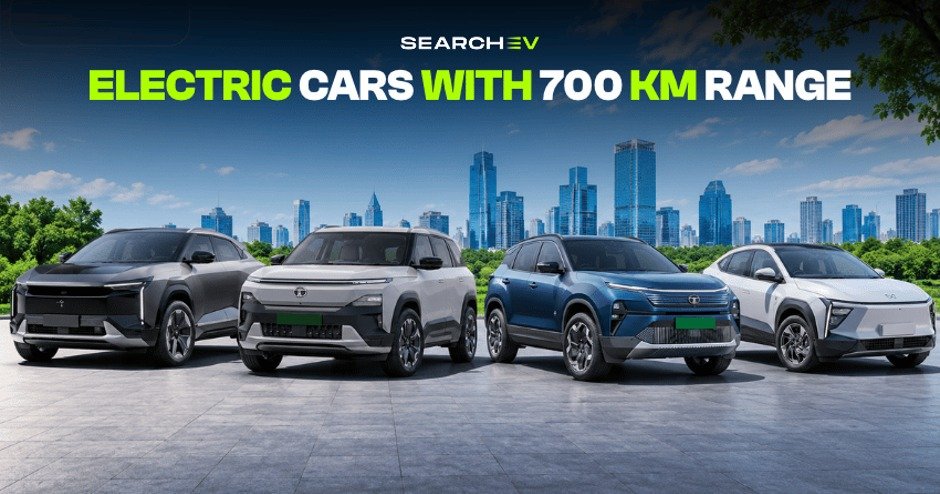
If you are searching for a 700 km range electric car in India, the Mahindra BE 6 SPORTEQ is one of the most interesting options, with a claimed MIDC range of up to 708 km. The Mercedes-Benz GLC Electric also crosses the 700 km mark, although its claimed figure is based on the WLTP testing cycle.
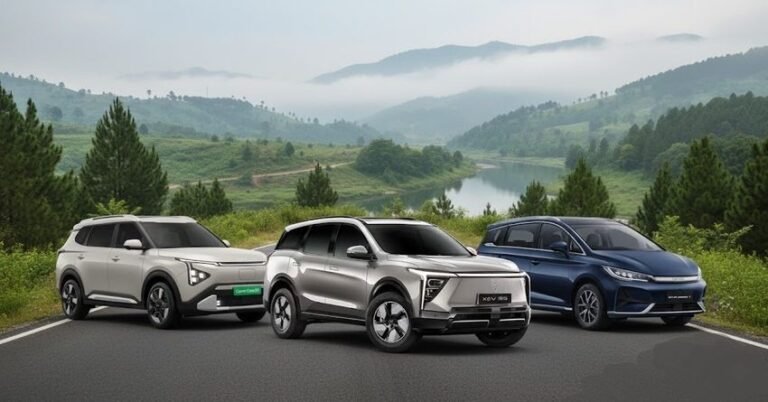
Apart from these two, models such as the Hyundai IONIQ 5, Mahindra XEV 9S, Tata Sierra EV and Mahindra XEV 9e offer impressive claimed ranges for buyers who want to travel longer distances.
In this guide, we look at the electric cars in India that come closest to or cross the 700 km range mark, along with their battery capacities, claimed driving ranges and what makes each one worth considering.
Best 700 km Range Electric Cars in India
Here is a quick look at some of the longest-range electric cars available in the Indian market.
| Electric Car | Battery Capacity | Claimed Range | Range Test Cycle |
| Mahindra BE 6 SPORTEQ | 79 kWh | 708 km | MIDC P1+P2 |
| Mercedes-Benz GLC Electric | Not specified here | Up to 711 km | WLTP |
| Hyundai IONIQ 5 | 84 kWh | 690 km | ARAI |
| Mahindra XEV 9S | 79 kWh | 679 km | MIDC P1+P2 |
| Tata Sierra EV | 75 kWh | 665 km | MIDC P1+P2 |
| Mahindra XEV 9e | 79 kWh | 656 km | MIDC P1+P2 |
| Tata Harrier EV | 75 kWh | 627 km | MIDC P1+P2 |
Note: These are claimed certification figures, not guaranteed real-world driving ranges. Different testing cycles should not be compared directly.
1. Mahindra BE 6 SPORTEQ 79 kWh | The 700 km Range Electric SUV
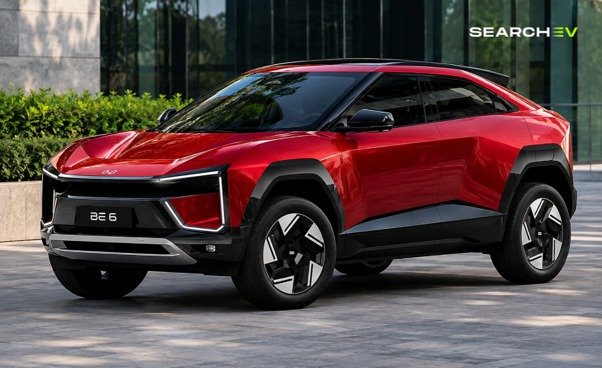
The Mahindra BE 6 SPORTEQ is one of the strongest choices for anyone looking for a 700 km range electric car in India without stepping into the luxury EV segment. Its 79 kWh battery pack offers a claimed MIDC range of up to 708 km, making it one of the longest-range mainstream electric SUVs in the country.
What makes the BE 6 interesting is that it does not focus only on battery capacity. Its sporty exterior design, performance-oriented electric powertrain and technology-loaded cabin make it appealing to buyers who want more than just a long-range family vehicle.
The SUV produces up to 210 kW of power and 380 Nm of torque, depending on the variant. Mahindra also claims a real-world range of 500+ km with the 79 kWh battery under its specified test conditions.
Charging is another area where the BE 6 performs well. With a compatible DC fast charger, the battery can charge from 20% to 80% in approximately 20 minutes under suitable conditions.
Mahindra BE 6 SPORTEQ Specifications
| Specification | Details |
| Battery Capacity | 79 kWh |
| Claimed Range | Up to 708 km |
| Range Certification | MIDC P1+P2 |
| Maximum Power | Up to 210 kW |
| Maximum Torque | 380 Nm |
| Real-World Range | 500+ km (manufacturer’s specified test conditions) |
| Drive Type | Rear-Wheel Drive |
If your priority is getting the highest possible certified range without spending luxury-car money, the BE 6 SPORTEQ deserves to be at the top of your shortlist.
2. Mercedes-Benz GLC Electric | Luxury With Over 700 km Range
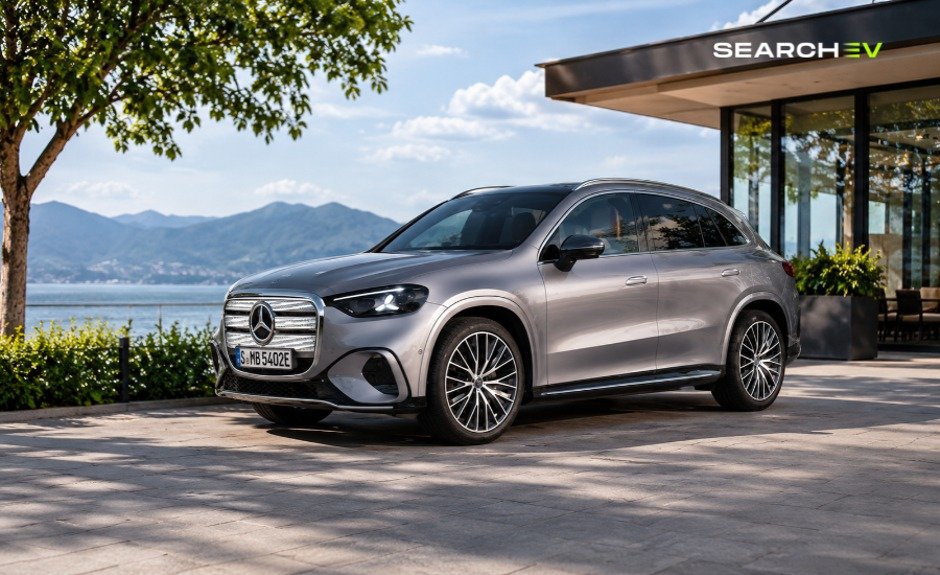
For buyers who want a premium electric SUV with a long driving range, the Mercedes-Benz GLC Electric is another interesting option. Unlike the mainstream electric SUVs in this list, the GLC focuses on combining luxury, technology, comfort and long-distance driving capability.
Mercedes-Benz claims a driving range of up to 711 km under the WLTP testing cycle. This puts it beyond the 700 km mark on paper, although its WLTP figure should not be directly compared with the MIDC figures quoted for Indian-market Mahindra and Tata models.
The GLC Electric also gets a technology-focused cabin, featuring the large MBUX Hyperscreen that stretches across the dashboard. The SUV supports DC fast charging of up to 330 kW, which can make longer journeys more convenient when compatible high-power charging infrastructure is available.
For someone who regularly travels between cities and prefers a premium driving experience, the GLC Electric offers a different proposition from the more affordable electric SUVs.
Mercedes-Benz GLC Electric Specifications
| Specification | Details |
| Claimed Range | Up to 711 km |
| Range Certification | WLTP |
| Maximum DC Charging | Up to 330 kW |
| Body Style | Electric SUV |
| Main Focus | Luxury and long-distance driving |
The biggest consideration here is its premium positioning. It is not an alternative to the BE 6 in terms of pricing, but it is worth considering if luxury and range are equally important.
3. Hyundai IONIQ 5 | A Premium EV With 690 km Range
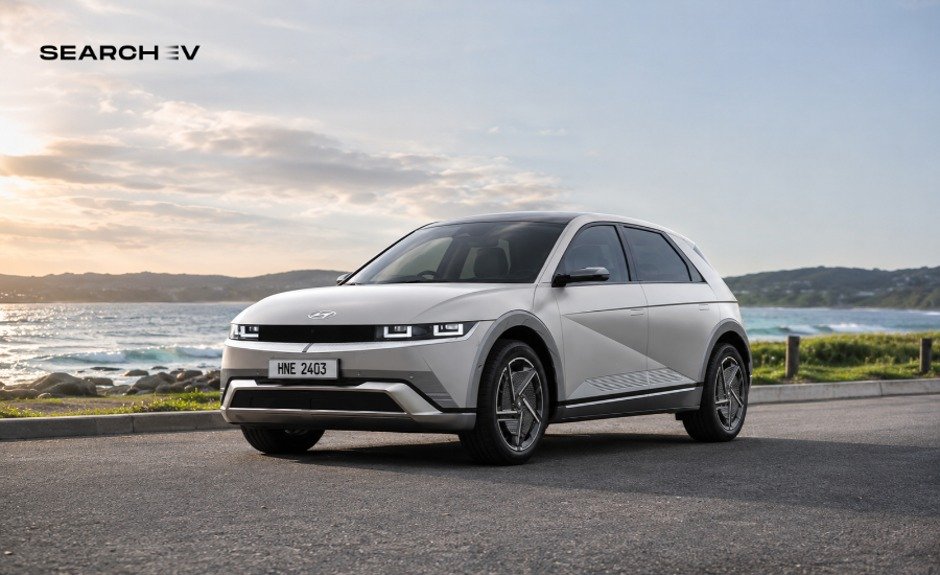
The Hyundai IONIQ 5 comes very close to the 700 km range mark, with a claimed ARAI-certified driving range of up to 690 km. It is one of the more established premium electric SUVs in India and combines a large battery pack with a dedicated electric vehicle platform.
The updated IONIQ 5 comes with an 84 kWh battery pack and a rear-wheel-drive electric motor producing 168 kW of power. Its futuristic exterior design and spacious cabin make it quite different from the conventional SUVs available in the market.
One of its biggest advantages is charging capability. Hyundai claims that the IONIQ 5 can charge from 10% to 80% in approximately 18 minutes when connected to a compatible 350 kW DC fast charger.
The cabin also gets dual 12.3-inch displays, connected-car features, ventilated front seats and Hyundai SmartSense driver assistance technology.
Hyundai IONIQ 5 Specifications
| Specification | Details |
| Battery Capacity | 84 kWh |
| Claimed Range | Up to 690 km |
| Range Certification | ARAI |
| Maximum Power | 168 kW |
| Drive Type | Rear-Wheel Drive |
| DC Fast Charging | 10–80% in approximately 18 minutes |
The IONIQ 5 is a good option for buyers who want a premium electric SUV with a substantial battery, quick charging capability and a comfortable cabin. Although it does not officially cross 700 km, it comes close enough to deserve a place on this list.
4. Mahindra XEV 9S 79 kWh | A Long-Range Electric SUV for Families
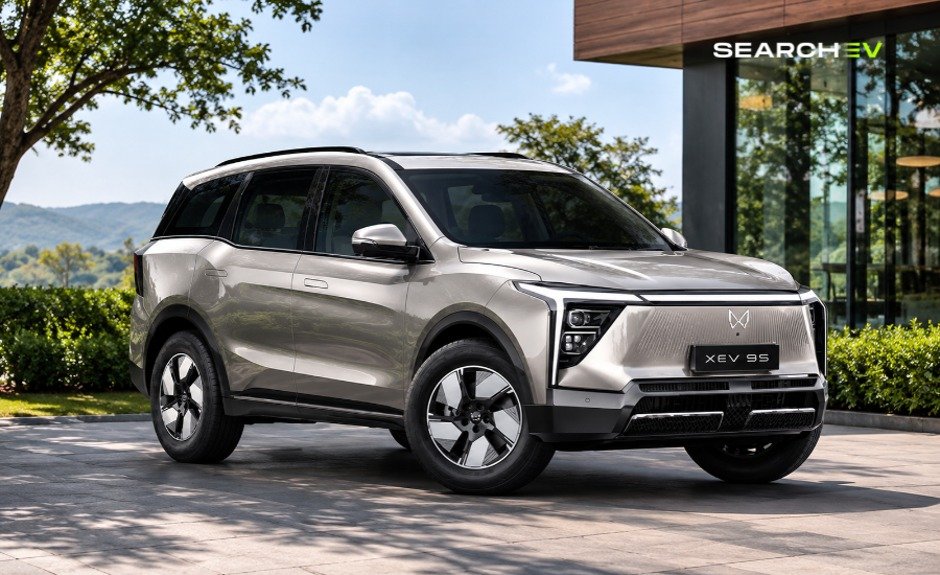
If you need a long-range electric car that can accommodate a bigger family, the Mahindra XEV 9S is worth looking at. Unlike the sporty BE 6, the XEV 9S focuses more on practicality, cabin space and family-oriented usability.
The SUV gets a 79 kWh battery pack with a claimed MIDC range of up to 679 km. Mahindra also offers smaller battery options, allowing buyers to choose according to their driving requirements and budget.
One of the biggest highlights of the XEV 9S is its three-row seating layout. This makes it an interesting option for families who want the benefits of an electric powertrain without giving up the practicality of a larger SUV.
The 79 kWh version produces up to 210 kW of power and 380 Nm of torque. It also supports DC fast charging, with the manufacturer quoting approximately 20 minutes for a 20% to 80% charge under suitable conditions.
Mahindra XEV 9S Specifications
| Specification | Details |
| Battery Capacity | Up to 79 kWh |
| Claimed Range | Up to 679 km |
| Range Certification | MIDC P1+P2 |
| Maximum Power | Up to 210 kW |
| Maximum Torque | 380 Nm |
| Seating Capacity | 6 or 7 seats, depending on configuration |
| Drive Type | Rear-Wheel Drive |
The XEV 9S makes sense for buyers who need more seating capacity and a spacious cabin. Its claimed range is slightly lower than the BE 6, but the additional practicality could make it a better family vehicle.
5. Tata Sierra EV 75 kWh | A Long-Range SUV From Tata
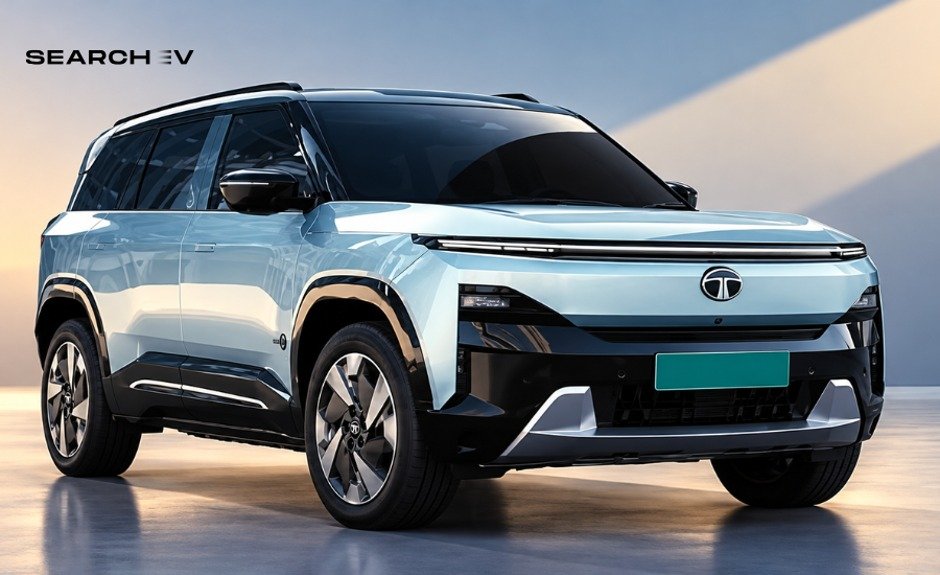
Tata Motors has also entered the longer-range electric SUV space with the Sierra EV. The new electric SUV brings back a familiar nameplate while introducing a modern electric platform and a more premium overall package.
The 75 kWh rear-wheel-drive version of the Sierra EV offers a claimed MIDC range of up to 665 km. Tata also offers a quad-wheel-drive configuration, which has a claimed range of up to 624 km.
Interestingly, the Sierra EV has also demonstrated what electric vehicles can achieve when driven efficiently. During a manufacturer-led hypermiling demonstration, the vehicle covered over 700 km on a single charge. However, this was a special driving exercise and should not be confused with its certified range.
The 75 kWh battery also gets Tata’s C75 real-world range estimate of 510–530 km for the rear-wheel-drive version. This gives buyers a more practical reference than looking at the certification figure alone.
Tata Sierra EV Specifications
| Specification | Details |
| Battery Capacity | 63 kWh / 75 kWh |
| Claimed Range (75 kWh RWD) | Up to 665 km |
| Claimed Range (75 kWh QWD) | Up to 624 km |
| Range Certification | MIDC P1+P2 |
| C75 Range (75 kWh RWD) | 510–530 km |
| Drive Options | Rear-Wheel Drive / Quad-Wheel Drive |
The Sierra EV is worth considering if you want a long-range electric SUV from Tata Motors. Its familiar brand presence and the manufacturer’s C75 range estimate make it an interesting choice for people planning regular intercity journeys.
6. Mahindra XEV 9e 79 kWh | A Premium Electric SUV With 656 km Range
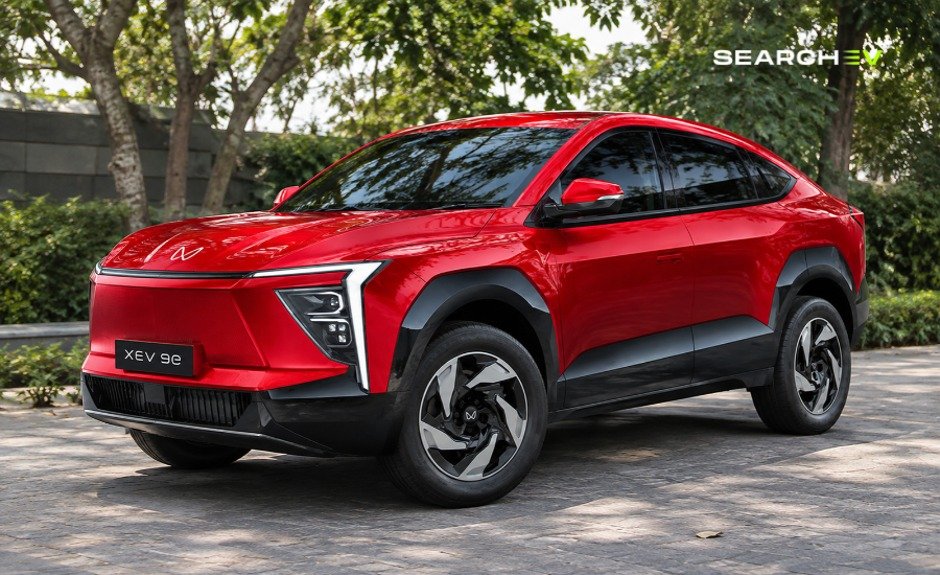
The Mahindra XEV 9e is another electric SUV that comes close to the 700 km mark. It shares its electric architecture with the BE 6 but follows a different design direction, focusing on a more conventional SUV-coupe appearance and a premium cabin experience.
With the larger 79 kWh battery pack, the XEV 9e offers a claimed MIDC range of up to 656 km. It also comes with a smaller 59 kWh battery option for buyers who do not necessarily need the maximum available range.
The XEV 9e produces up to 210 kW of power and 380 Nm of torque. Its cabin is one of its biggest talking points, with a triple-screen dashboard layout, connected technology and a range of comfort features.
It also supports DC fast charging, allowing buyers to spend less time waiting at compatible charging stations during longer journeys.
Mahindra XEV 9e Specifications
| Specification | Details |
| Battery Capacity | 59 kWh / 79 kWh |
| Claimed Range (79 kWh) | Up to 656 km |
| Range Certification | MIDC P1+P2 |
| Maximum Power | Up to 210 kW |
| Maximum Torque | 380 Nm |
| Drive Type | Rear-Wheel Drive |
If you like the technology and performance of the BE 6 but prefer a different exterior design and cabin experience, the XEV 9e is worth comparing before making a purchase.
7. Tata Harrier EV 75 kWh | Long Range With an AWD Option
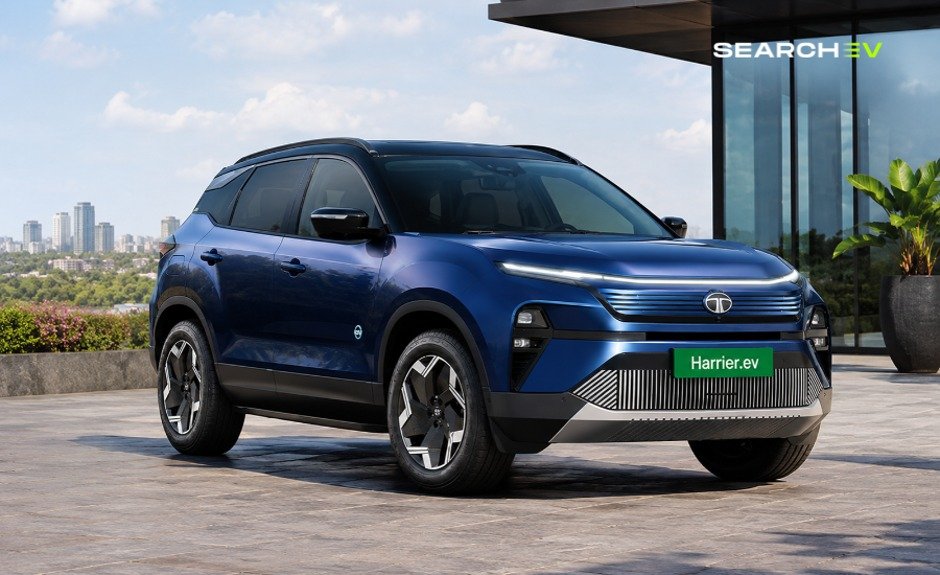
The Tata Harrier EV is another option for buyers who want a long-range electric SUV with a more traditional SUV design. It combines a large battery pack with a spacious cabin and an available all-wheel-drive configuration.
The 75 kWh rear-wheel-drive version offers a claimed MIDC range of up to 627 km, while the all-wheel-drive version claims up to 622 km. Tata also offers a smaller 65 kWh battery option for buyers who want a more affordable configuration.
The Harrier EV is particularly interesting because of its dual-motor all-wheel-drive setup. This makes it suitable for buyers who want additional traction and performance, especially when travelling over varied road conditions.
Tata’s C75 range estimate for the 75 kWh rear-wheel-drive version is approximately 480–505 km. The SUV also supports DC fast charging, with a claimed 20% to 80% charging time of around 25 minutes using a compatible 120 kW charger.
Tata Harrier EV Specifications
| Specification | Details |
| Battery Capacity | 65 kWh / 75 kWh |
| Claimed Range (75 kWh RWD) | Up to 627 km |
| Claimed Range (75 kWh AWD) | Up to 622 km |
| Range Certification | MIDC P1+P2 |
| C75 Range (75 kWh RWD) | 480–505 km |
| Drive Options | Rear-Wheel Drive / All-Wheel Drive |
The Harrier EV may not reach 700 km on its certified range, but it offers a good combination of battery capacity, SUV practicality and driving capability.
Claimed Range vs Real-World Range: What Should Buyers Expect?
One thing buyers should understand before choosing a 700 km range electric car in India is that the certified range and the actual driving range are not always the same.
Manufacturers test electric cars under controlled conditions to arrive at their claimed figures. However, everyday driving involves traffic, highway speeds, air-conditioning, passengers, luggage and different road conditions.
All these factors can affect the distance an electric car covers on a full charge.
For example, Mahindra claims over 500 km of real-world range for the 79 kWh BE 6 under its specified test conditions, even though its certified MIDC range reaches 708 km. Similarly, Tata’s C75 estimates for the Sierra EV and Harrier EV are lower than their MIDC figures.
Here are some of the important factors that influence electric car range:
- Highway speed: Driving continuously at higher speeds generally consumes more battery power.
- Air-conditioning: Using the AC, especially in hot weather, can reduce the available driving range.
- Driving style: Sudden acceleration and aggressive driving can increase energy consumption.
- Passenger and luggage load: A fully loaded vehicle may consume more energy than one carrying fewer passengers.
- Tyre pressure: Incorrect tyre pressure can increase rolling resistance and affect efficiency.
- Road conditions: Uphill routes, rough roads and frequent elevation changes can influence battery consumption.
So, if you are planning to purchase an EV with a claimed range of 700 km, it is better to consider the manufacturer’s real-world estimates and independent road tests before making a decision.
Which 700 km Range Electric Car Should You Buy?
Choosing the right electric car depends on more than just the highest number on the specification sheet. Your budget, daily driving distance, family requirements and access to charging infrastructure should all play a role.
If you want the highest certified range in a relatively accessible electric SUV, the Mahindra BE 6 SPORTEQ is a strong option. Its 79 kWh battery offers up to 708 km of claimed MIDC range.
For buyers who prefer a premium experience, the Mercedes-Benz GLC Electric offers up to 711 km of WLTP range. The Hyundai IONIQ 5 is another premium choice, with its 690 km ARAI-certified range and impressive fast-charging capability.
Families who need more seating space can consider the Mahindra XEV 9S, while the Tata Sierra EV is worth looking at for its combination of range, practicality and Tata’s service network.
The Mahindra XEV 9e and Tata Harrier EV are also worth considering if you are comfortable with a claimed range below 700 km but still want a long-distance electric SUV.
Ultimately, do not choose an EV based only on its claimed range. Look at the battery warranty, charging speed, service support, real-world efficiency and the charging stations available along your regular routes. A car that comfortably covers your actual daily and highway requirements may be a better purchase than one that simply offers the biggest number on paper.
Frequently Asked Questions
1. Which electric car has a 700 km range in India?
The Mahindra BE 6 SPORTEQ with its 79 kWh battery offers a claimed MIDC range of up to 708 km. The Mercedes-Benz GLC Electric also claims up to 711 km under the WLTP testing cycle.
2. Which is the longest-range electric car in India?
Among the mainstream electric SUVs covered here, the Mahindra BE 6 SPORTEQ offers one of the highest claimed ranges at 708 km (MIDC). Premium models such as the Mercedes-Benz GLC Electric also cross 700 km on the WLTP cycle.
3. Is a 700 km claimed range possible in real-world driving?
A 700 km certified range does not necessarily mean the car will cover 700 km in everyday conditions. Actual range depends on driving speed, road conditions, temperature, air-conditioning and vehicle load. Buyers should refer to real-world tests and manufacturer estimates.
4. Which Mahindra electric car offers the highest range?
The Mahindra BE 6 SPORTEQ with the 79 kWh battery offers up to 708 km of claimed MIDC range. The XEV 9S and XEV 9e offer up to 679 km and 656 km, respectively, with their larger battery configurations.
5. Which Tata electric car has the longest range?
The Tata Sierra EV 75 kWh rear-wheel-drive version offers a claimed MIDC range of up to 665 km. The Tata Harrier EV 75 kWh version follows with up to 627 km in its rear-wheel-drive configuration.
6. How much battery capacity is required for a 700 km range electric car?
There is no fixed battery capacity required to achieve 700 km. Range depends on the vehicle’s energy efficiency, aerodynamics, weight, motor and battery technology. The Mahindra BE 6 SPORTEQ achieves its 708 km claimed range with a 79 kWh battery.
7. Are 700 km range electric cars suitable for long-distance travel?
Yes. Long-range electric cars can make intercity journeys more convenient by reducing the number of charging stops required. However, it is important to plan charging stops based on the expected real-world range and check the availability of compatible fast chargers along the route.
8. Does fast charging affect the battery life of an electric car?
Frequent use of DC fast charging can contribute to battery degradation over time, depending on battery chemistry, temperature management and charging habits. Occasional fast charging is generally part of normal EV use. Following the manufacturer’s charging recommendations can help maintain battery health.