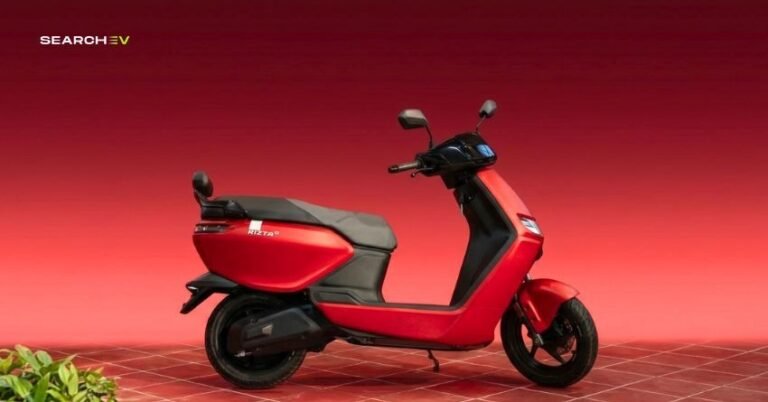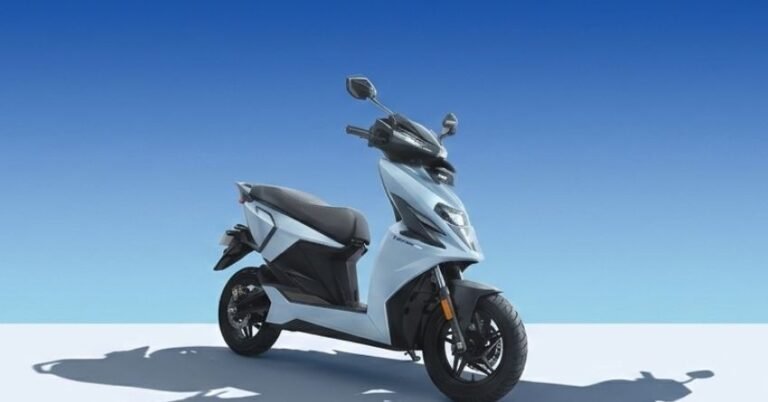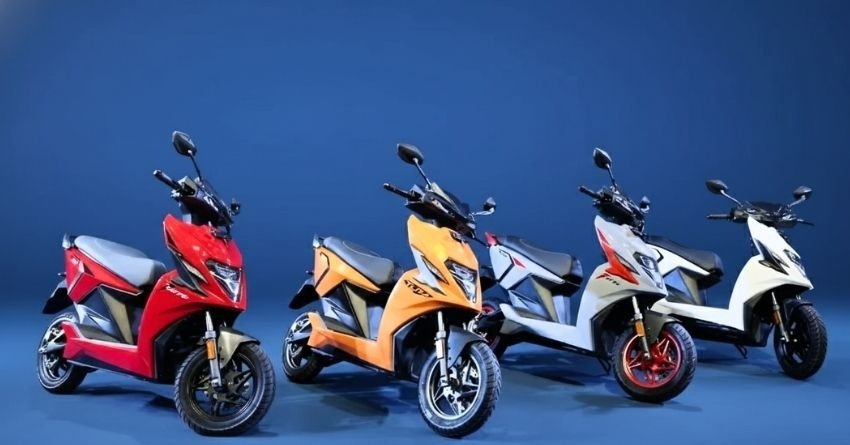
Simple Energy has introduced a new top-end electric scooter, named Ultra, and at the same time updated its Simple One range with Gen 2 versions. The move expands the company’s electric scooter lineup in India and puts the spotlight on longer range and day-to-day use.
The Ultra sits above the existing Simple One models and is aimed at riders who want to charge less often and get stronger performance. The Gen 2 Simple One updates, meanwhile, focus on improving ownership and usability based on inputs from current customers.
Ultra Scooter Overview
The key highlight of the Simple Energy Ultra is its claimed 400 km range on the IDC cycle, which places it among the longest-range electric scooters announced in the Indian market so far. The company says the scooter has been designed to reduce range anxiety, especially for riders with longer daily commutes.
Ultra is powered by an electric motor producing 11 kW of peak output. It has a claimed top speed of 115 kmph, with 0 to 40 kmph coming up in under 2.77 seconds. These figures place it closer to the performance end of the electric scooter segment rather than purely city-focused models.
Simple One Gen 2 Lineup
Simple One Gen 2 is now offered with two battery options.
- The 4.5 kWh version claims an IDC range of 236 km, produces 6.4 kW and 52 Nm, reaches 90 kmph, and does 0–40 kmph in 3.3 seconds.
- The 5 kWh version increases the IDC range to 265 km, with 8.8 kW and 72 Nm, a 115 kmph top speed in Sonic mode, and a quicker 0–40 kmph time of 2.55 seconds.
Simple Energy says the battery and motor have been set up to prioritise efficiency, with software handling how power is delivered to the wheels. Regenerative braking is included to help recover energy during deceleration. Fast-charging support is available, though Simple Energy notes that real-world range and charging times will vary depending on riding conditions, speed, and load.
Gen 2 Simple One Changes
Alongside the Ultra, Simple Energy has introduced Gen 2 versions of the Simple One. The Gen 2 models look largely the same as before. The updates focus on how the electric system works. The software has been revised, the battery system has been fine-tuned, and power delivery is smoother.
Both Simple One Gen 2 versions feature six riding modes, CBS disc brakes on both wheels, and four levels of regenerative braking. Ergonomics have been refined, with a 780 mm seat height and 35 litres of under-seat storage. These changes reflect how the first set of scooters were used on the road and are intended to make everyday riding more stable and reliable, without altering how the scooter feels or looks.
Simple OneS Gen 2 Updates
- The Simple OneS Gen 2 continues as the more basic option but receives updates.
- IDC range increases to 190 km (up by 9 km).
- Uses a 3.7 kWh battery with 6.5 kW and 52 Nm, 90 kmph top speed, and 0–40 kmph in 3 seconds.
- Kerb weight is now 118 kg.
- Braking distance is claimed at 18.49 metres.
- Retains 35 litres of underseat storage and 780 mm seat height.
Features And Technology
- Both the Ultra and Gen 2 Simple One come equipped with connected features such as navigation, ride modes, remote diagnostics, and app-based controls.
- A touchscreen display with smartphone connectivity and over-the-air updates is also part of the package.
- Multiple riding modes allow riders to choose between efficiency-focused or performance-oriented settings.
- Disc brakes are offered to support controlled braking performance.
- The Simple One Gen 2 models get a 7-inch touchscreen, while the OneS Gen 2 uses a non-touch display.
- Both scooters feature 5G e-SIM, LTE, and Bluetooth connectivity.
- Navigation differs by model, with built-in maps on the Simple One Gen 2 and turn-by-turn guidance on the OneS Gen 2.
- Connected features also include Find My Vehicle, TPMS, Park Assist (forward and reverse), OTA updates, and IP65-rated protection.
Pricing And Rollout
The Gen 2 Simple One models start at ₹1.4 lakh, ex-showroom. The Ultra sits above this in the lineup, mainly due to its larger battery and higher power output. Deliveries will be rolled out in phases, beginning with a few cities. Simple Energy has not yet announced a city-by-city delivery schedule.
Positioning In the EV Market
With the launch of the Ultra and the updated Simple One range, Simple Energy is clearly targeting riders who prioritise range and performance in the electric scooter space. The move also signals the company’s intent to compete more strongly in the premium end of the electric two-wheeler market as competition continues to increase.