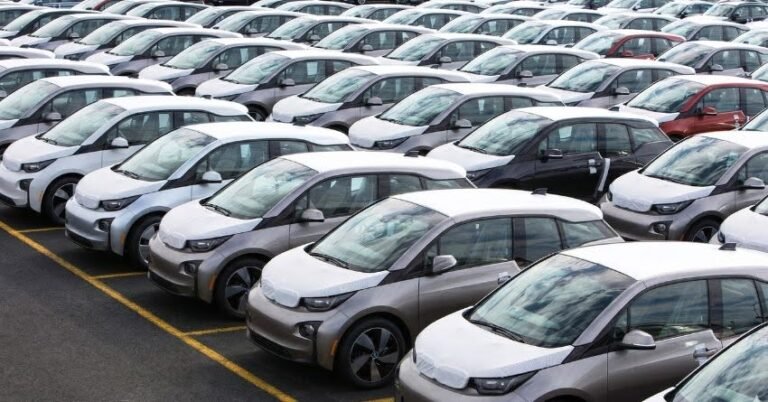

The PM E-DRIVE initiative of the Indian government registered sales of more than 1.13 million electric vehicles in its first year of operation. According to a report by the Council on Energy, Environment and Water (CEEW), sales more than tripled despite a significant reduction in the financial support given to each buyer.
Higher Scheme Efficiency
One of the most important conclusions drawn from research is that the PM E-DRIVE program is more affordable than the FAME-II scheme in terms of costs. As a result of this change, the average subsidy given by the government was about 50% lower than before. This trend indicates that the electric market is not entirely dependent on government incentives and can therefore gradually move towards an eco-friendly electric economy.
Segment Sales Growth
The surge in electric adoption was primarily driven by the two-wheeler and three-wheeler segments. The reduction in running costs and the high prices of conventional fuels were the main factors that gradually drove the acceptance of these compact e-vehicles. The rapid sales growth of these vehicles in the short term was one of the factors that multiplied the initiative’s findings faster than ever, with a record of 1.13 million.
| Metric | FAME-II Period | PM E-DRIVE (Year 1) |
| Total EV Sales | ~350,000 units | 1.13 Million units |
| Average Subsidy | ~₹20,000 per unit | ~₹10,000 per unit |
| Market Growth | Steady | 3x Increase |
Infrastructure Focus Shift
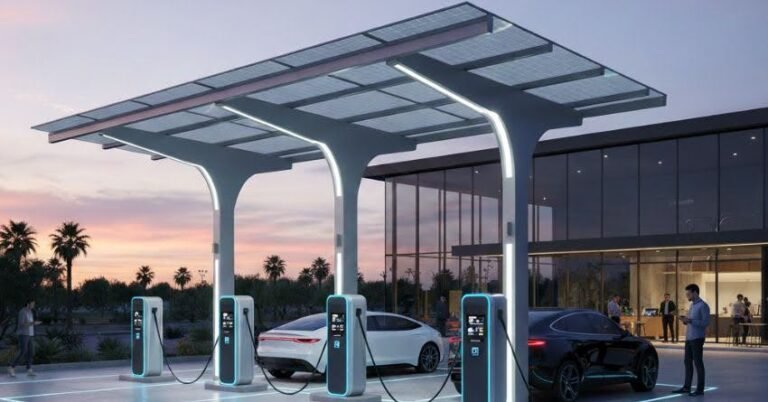
The report highlights that the current scheme does not just focus on vehicle discounts. A large part of the budget is now dedicated to expanding the electric charging network across the country. By installing more public electric chargers, the government is helping drivers feel more confident about long-distance electric travel and reducing the fear of running out of power.
Market Maturity Signs
Experts believe these results indicate that Indian consumers are becoming more comfortable with electric technology. Customers are now prioritising the total cost of ownership and the environmental benefits of zero-emission driving over initial purchase incentives. This maturity is a positive sign for the future of the electric transport industry in India, as it relies less on taxpayer money.
Long Term Goals
The first year’s triumph opens wide the door for the rest of the PM E-DRIVE program. The government hopes to use this to convert public transport fleets and even more commercial trucks into electric ones as the next step in capitalising on this growing support. The growth in e-mobility will not only benefit India in its fight against global climate change but also make people in more regions able to enjoy the benefits of electric vehicles.