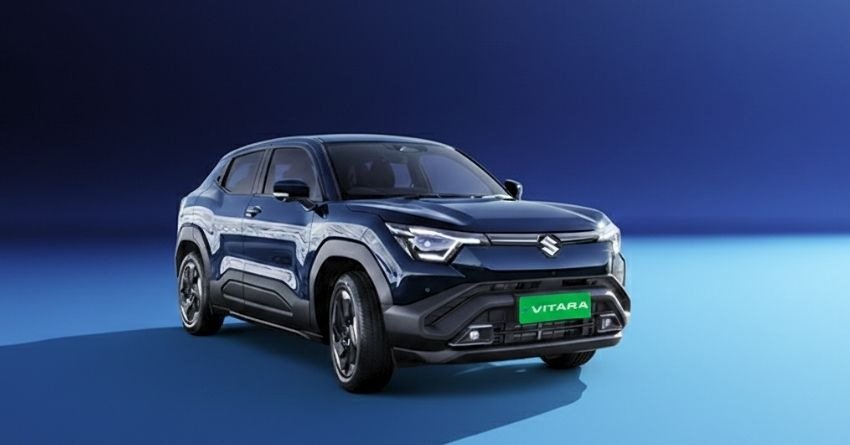
Maruti Suzuki introduced its first electric vehicle to the Indian market with the e-Vitara, which experienced a silent market entry. The company sold 23 units in 2025, with deliveries starting only at the end of that year. Of these, 14 units were sold in November and 9 in December.
For the rest of the year, there were no reported dispatches, indicating that the vehicle was available only in very limited numbers. In January 2026 so far, Maruti Suzuki has reported 122 units of the e-Vitara. As the month is still in progress, this figure represents sales so far rather than a final monthly total.
Why Did Maruti Suzuki Take So Long to Launch Its First EV?
Maruti Suzuki’s delayed entry into electric vehicles was not accidental. Unlike some rivals that moved early, Maruti chose to wait until a few conditions were in place:
- Battery costs showed signs of stabilising
- Charging infrastructure improved beyond metro-only use
- Consumer acceptance of EVs became clearer
- Localisation of components became more viable
For a brand that depends heavily on scale, cost control, and reliability, launching an EV too early carries the risk of high prices and uneven ownership experiences. Maruti will only enter a new automotive segment when the company can develop an electric vehicle that matches its core business capabilities. The e-Vitara showcases the company’s strategy through its initial low production levels, which will be expanded after the company gains operational knowledge.
Is the Sales Trend Encouraging?
Cautiously, yes. The sales numbers show 23 units as their starting point for 2025, but demonstrate sales growth when they reach 122 units during January 2026. The company has moved past its testing phase because its sales for January have already surpassed its previous year’s results, which happened because of better product distribution and improved dealer operations.
That said, these numbers are still far from mass-market scale, especially by Maruti standards. For context, even a modest petrol model from Maruti sells more in a day than the e-Vitara has sold in months so far.
What matters more at this stage is direction, not volume. Early 2026 shows some improvement, but the real test will be whether Maruti can maintain steady sales month after month and not just deliver a one-off spike.
What This Means for Maruti’s EV Journey
The e-Vitara is not meant to be a blockbuster from day one. Instead, it appears to be Maruti Suzuki’s entry point into learning the EV market, understanding buyer behaviour, and preparing its network.
The prolonged time period between two sales increases till 2026 will create a second stage, which starts with hesitant business activity. The restricted product availability will strengthen Maruti’s existing cautious approach toward electric vehicle development.
The Bottom Line
Maruti Suzuki launched its first electric vehicle into the market through an approach that intentionally controlled its speed of development. The 2025 period showed no production results until January 2026, when operations began to increase.
The upcoming months will determine both operational performance and production capacity, which in turn will establish permanent market standards for dealer readiness and pricing. The recent numbers show a market entry strategy that adopts a cautious approach instead of launching all operations at once.