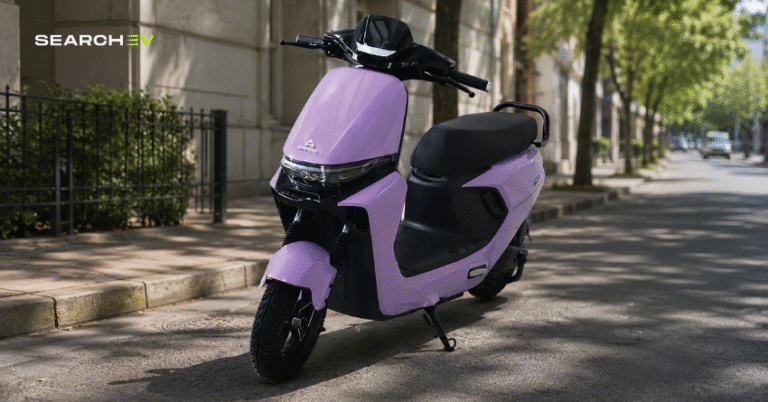

Honda is working on a new electric scooter for India, essentially hitting a reset on its EV plans after the Activa e: and QC1 failed to gain real traction. This time, the focus is different. The scooter is being developed with a strong push toward locally sourced components and is clearly aimed at the mass-market electric segment rather than a niche audience.
Honda’s earlier electric scooters saw slow demand, with sales eventually dropping to the point where production was paused. The company is now working on a new scooter that aims to fix the shortcomings seen in its first electric models.
What Went Wrong Earlier
Honda entered the electric scooter space in India with the Activa e: and QC1, both adapted from models sold overseas. While this helped the company get started quickly, it also came with a few limitations.
The Activa e:, for instance, depended entirely on a battery-swapping system and did not support home charging. The swapping network remained limited, meaning customers had to live close to a swap station to consider the scooter.
Battery placement under the seat also left almost no boot space, a major drawback in a segment where underseat storage is important. High pricing, along with a mandatory Battery-as-a-Service subscription, limited its appeal even further.
The QC1 addressed some of those concerns by introducing home charging and a usable 26-litre boot, making it more practical for everyday use. With a top speed of 50 kmph, an 80 km claimed range, and a charging time of close to seven hours, it felt underpowered and basic compared to mainstream electric scooters.
New Scooter Direction
Honda has taken feedback and usage data from both scooters and is now developing a new electric scooter that aims to fix these shortcomings. The upcoming model is expected to offer proper underseat storage, home charging, competitive range, and a more balanced feature set. The goal is to match the expectations set by established players in the segment rather than introducing experimental solutions.
Platform Plans
Multiple electric scooter projects are currently under development. One model, based on Honda’s J1H platform, is expected to be ready by the end of this year. This scooter will use a high level of local content and insights gained from both Honda’s earlier EVs and rival products already accepted by Indian customers.
A second electric scooter, built on a different platform, is planned for international markets. This model is expected to be ready in 2027 and produced at Honda’s scooter-only factory for export starting in 2028.
Localisation Focus
The scooter is being developed largely with locally sourced parts. That’s a deliberate move to control costs and keep pricing realistic in a market where customers are careful about what they spend. Honda is expected to use localisation as the main lever to improve affordability rather than cutting back on everyday usability.
Expected Benchmarks
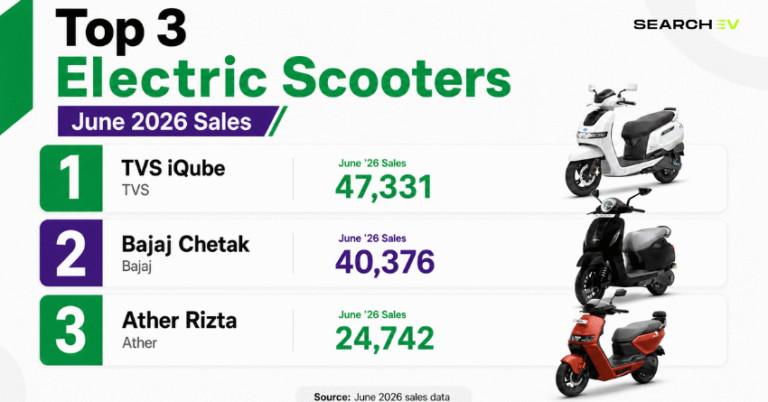
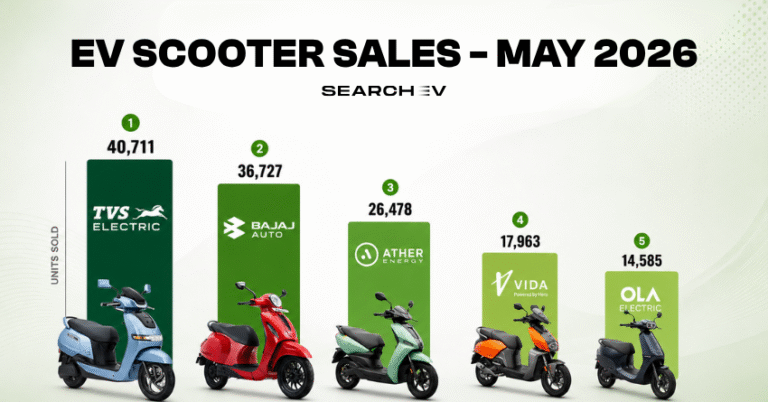
The new scooter is expected to sit right alongside today’s segment leaders like the TVS iQube, Bajaj Chetak, and Ather Rizta in terms of range and features. The focus appears to be on everyday usability and a practical real-world range, not headline-grabbing performance figures.
Launch Outlook
Honda hasn’t announced a launch timeline yet. Details around specifications, features, and pricing are likely to come closer to the actual launch. What’s clear for now is the intent. This scooter reflects Honda’s effort to re-enter the Indian EV space with a product built for local conditions, instead of a lightly adapted global model.