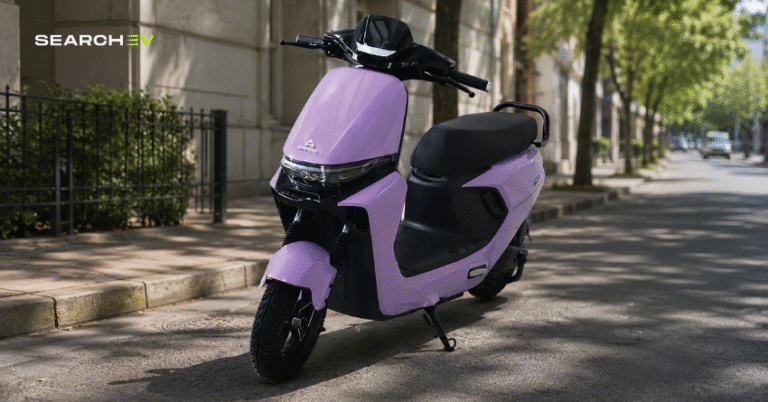
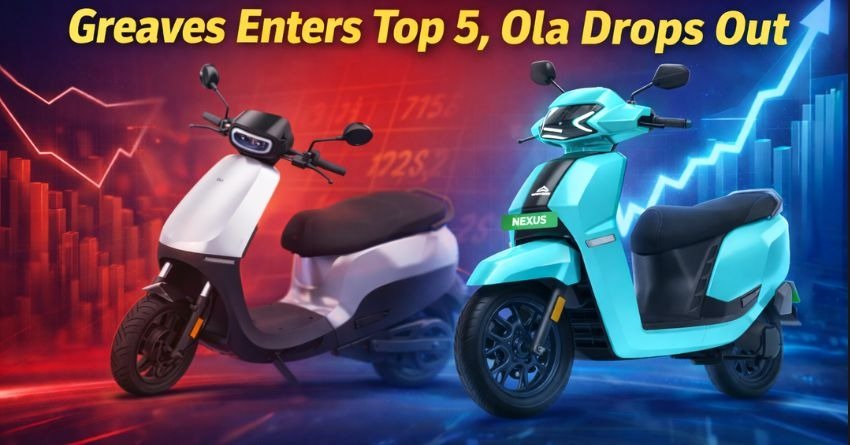
India’s electric two-wheeler industry saw strong growth in February 2026, with total retail sales exceeding 1,11,000 units, a significant year-on-year gain. However, the most recent rankings of top manufacturers revealed a startling change: Ola Electric, a leading name in the EV market, did not make the top five list for the first time in many months.
Market Performance Overview
The electric two-wheeler sector is one of India’s fastest-growing segments of the auto industry. Key stakeholders, including legacy manufacturers and new EV-focused firms, reported strong sales figures in February 2026, indicating high demand from customers. Despite overall growth, competition heated up as more brands improved their distribution and product offers.
Top 5 Electric Two-Wheeler Manufacturers (February 2026)
| Rank | Manufacturer | Approx. Units Sold |
| 1 | TVS Motor Company | 31,600+ |
| 2 | Bajaj Auto | 25,300+ |
| 3 | Ather Energy | 20,500+ |
| 4 | Hero MotoCorp (Vida) | 12,500+ |
| 5 | Greaves Electric Mobility | 4,700+ |
Key Highlights:
- TVS leads the EV sales ranking due to the huge demand for their electric scooters, especially the popular TVS iQube.
- Bajaj Auto’s Chetak is in the next position and remained popular, finishing second.
- Ather Energy’s premium EV portfolio drove strong sales.
- Hero MotoCorp (Vida) reported a significant rise in deliveries over the last year.
- Greaves Electric Mobility broke into the top five, outperforming some larger competitors.
Greaves Breaks Through as Market Rankings Change
Greaves Electric Mobility, one of the biggest surprises of February 2026, entered India’s top five electric two-wheeler manufacturers by selling nearly 4,700 units. The brand boosted its visibility and even outperformed larger industry players, indicating a clear shift in consumer preferences. Greaves’ quick rise shows that the EV market is no longer dominated primarily by early users; new competitors are changing the game.
Ola Electric’s Slide to Sixth Place
Ola Electric was a top seller of electric two-wheelers in India for a few months, thanks to tremendous initial demand for its S1 series scooters. However, in February, the company sold fewer than 4,000 devices, placing it just outside the top five – a significant shift from its recent performance pattern.
Industry experts suggest that the decline in sales is directly linked to production difficulties, supply constraints, and slow order fulfilment. Meanwhile, all leading competitors and new brands have expanded their sales networks and enhanced delivery times, intensifying the competition.
Expert Commentary
According to automotive experts, the February statistics suggest that India’s EV market is maturing. Customers are now more open to choosing from a wider range of electric two-wheeler brands. As established manufacturers launch new electric models and improve their after-sales service, buyer confidence is steadily increasing.
The market is no longer limited to early adopters. Today’s customers are focusing more on reliability, easy service access, and brand trust — areas where traditional manufacturers still have a strong advantage.
The competition in the electric vehicle market in India is expected to intensify in the year 2026 because the competitors are joining the EV market and established manufacturers are expanding their EV offerings. Sales rankings may also change in the coming months due to seasonal trends and festive buying demand, which often give a temporary boost to vehicle sales.