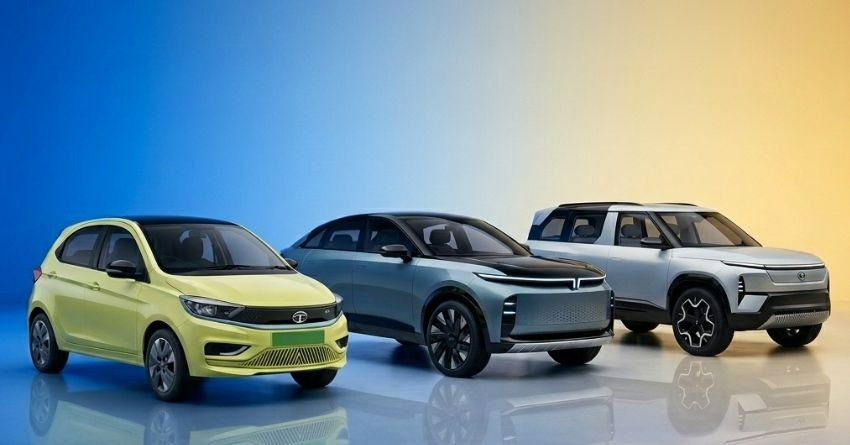
3 New Tata Electric Cars Set to Launch in India This Year
Tata to launch Tiago EV facelift, Avinya, and Sierra EV in India this year across multiple price segments.

Tata to launch Tiago EV facelift, Avinya, and Sierra EV in India this year across multiple price segments.
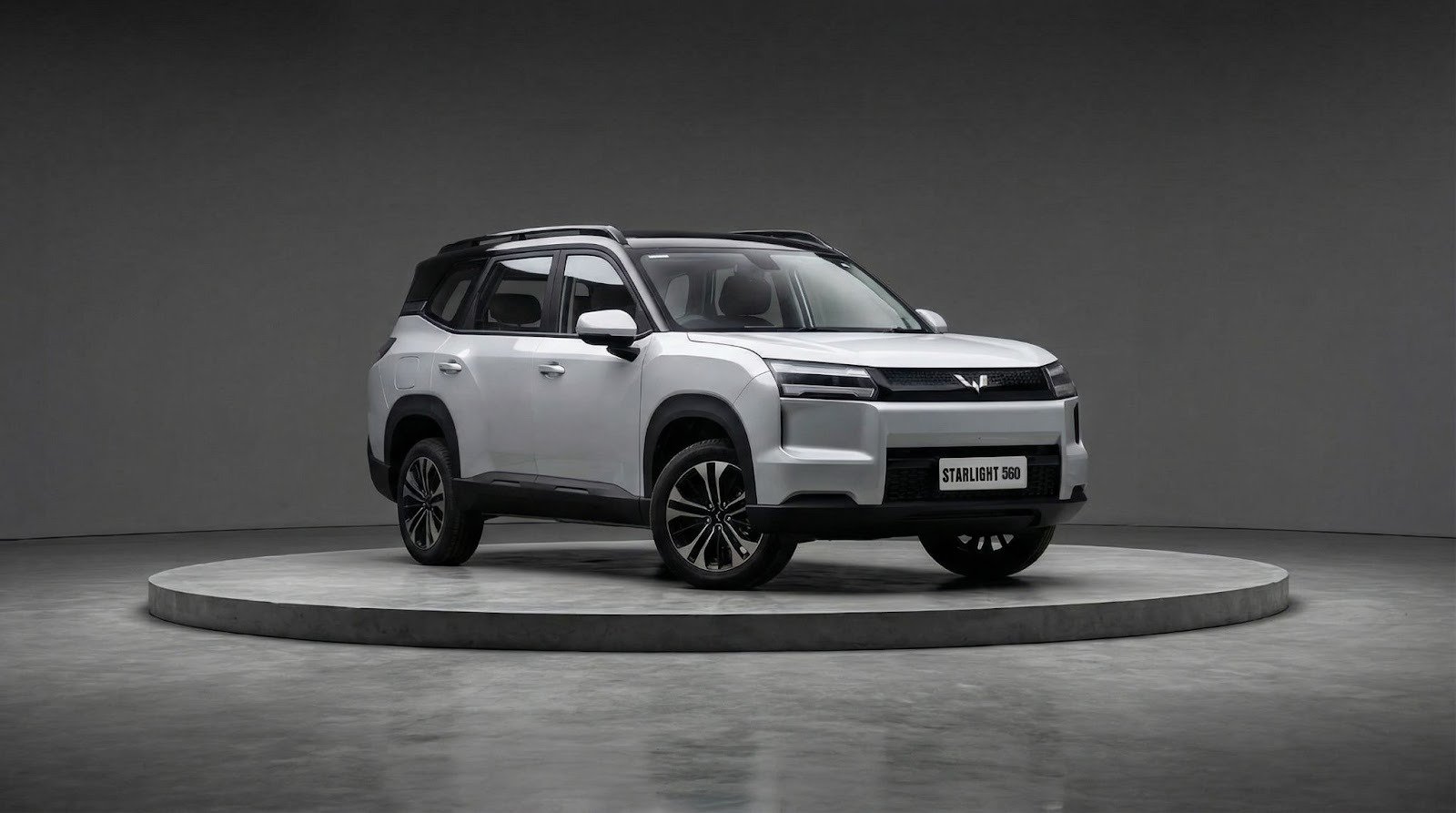
MG Starlight 560 hybrid spied in India with plug-in powertrain, EV version planned, launch expected later this year.
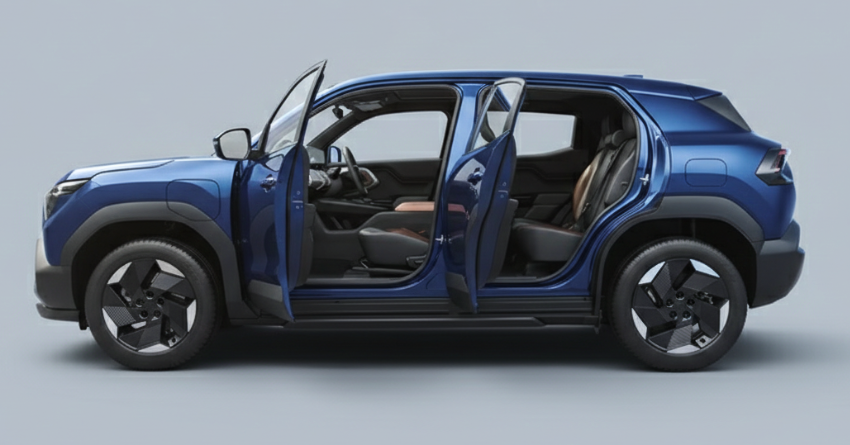
Maruti Suzuki India Ltd has introduced its first fully electric SUV, the Maruti Suzuki e-Vitara, with an introductory price of ₹10.99 lakh (ex-showroom). This marks the company’s entry into India’s passenger electric vehicle category. The price is based on a Battery-as-a-Service (BaaS) model, with users paying ₹3.99 per kilometre for battery usage, lowering the vehicle’s initial acquisition cost. The starting price of ₹10.99 lakh applies to the 49 kWh model
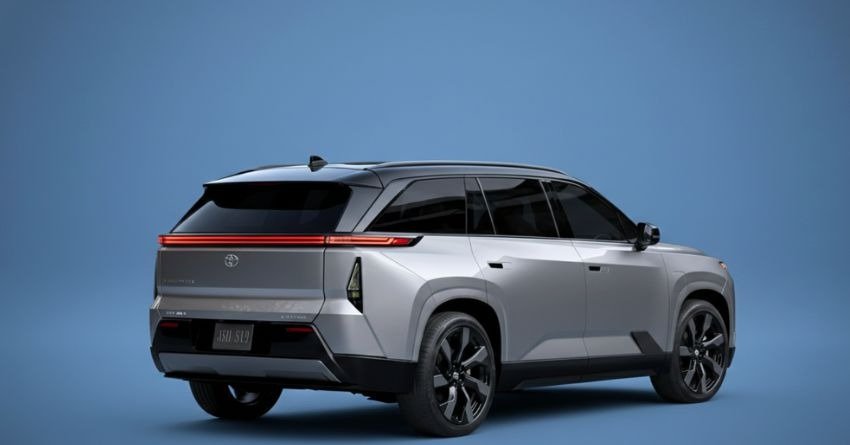
Toyota gets the modified TNGA-K platform, gets two battery pack options, 77 kWh and 95.8 kWh and gets a 515 km range.
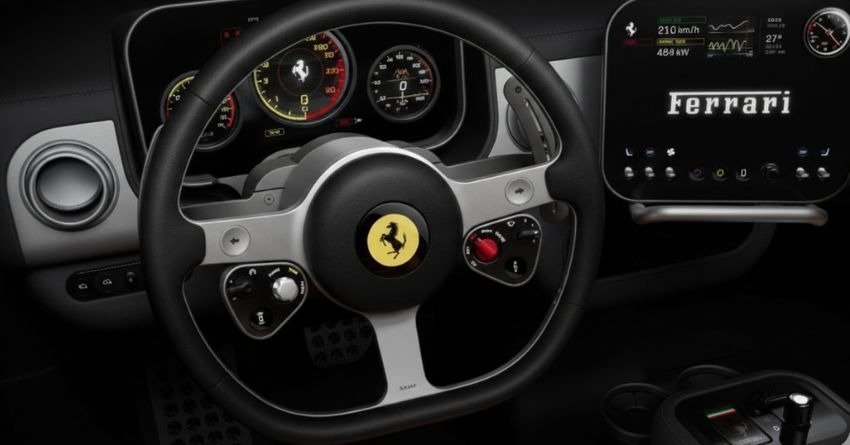
Ferrari has offered its first real look inside its long-awaited electric supercar, and the spotlight isn’t on performance figures or range. It’s on design. The Italian automaker has released official interior images of its first EV, called the Luce (Italian for “light”), revealing a cabin created by Ive’s design studio, LoveFrom. While Ferrari is still keeping the exterior under wraps, this interior preview alone has drawn attention, largely because it
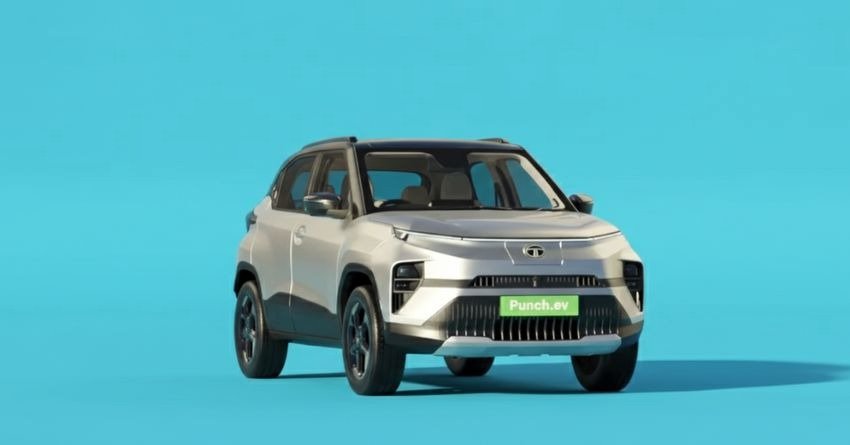
The Tata Punch EV has been updated for the first time since launch, bringing light exterior tweaks, added tech, and small cabin improvements, while keeping the same battery and motor options. The refreshed electric SUV is set to arrive on February 20, 2026, with prices expected to start at around ₹10.2 lakh (ex-showroom). Rather than reinventing the Punch EV, Tata has focused on polishing the package as competition intensifies in
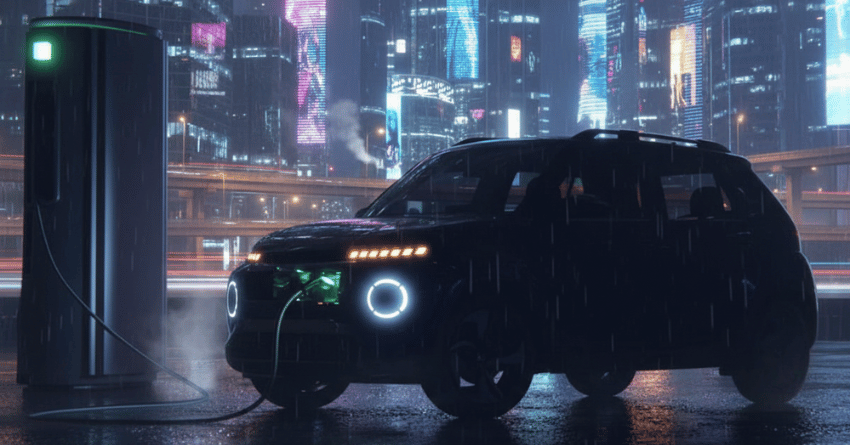
Hyundai is planning a made-in-India compact electric SUV for 2027, based on the Inster, with two battery options and local production.
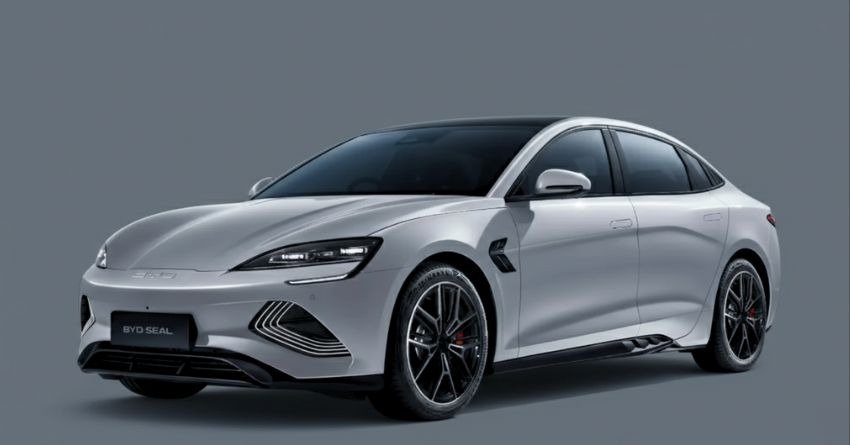
China’s electric vehicle giant BYD is working on a brand-new car for Indian buyers, signalling a deeper commitment to one of the world’s fastest-growing EV markets.
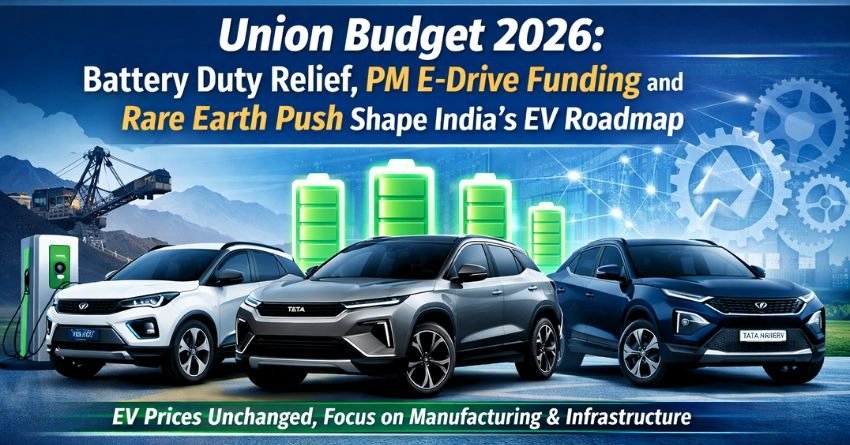
The PM E‑Drive initiative gets ₹1,500 crore for EV infrastructure and services, while customs duty exemptions for lithium‑ion batteries are extended until 2028.