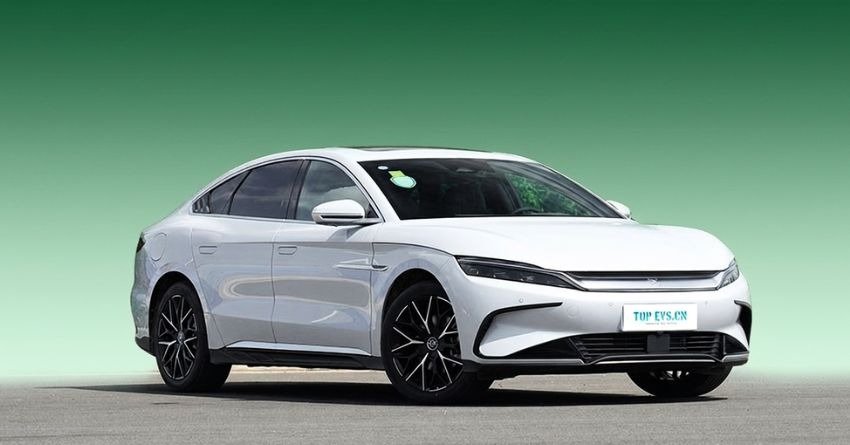
Chinese automaker BYD has introduced a new charging platform that could dramatically change how quickly electric vehicles refuel. The company recently unveiled its Super e-Platform, a system capable of adding around 400 kilometres of driving range in just 5 minutes.
Along with the technical release, the company started installing and deploying megawatt flash-charging stations around China, showing that the ultra-fast charging ecosystem is moving from concept to reality.
For many potential EV customers, charging time has always been the biggest concern. Waiting 30 minutes or more at a charger feels very different from the quick stop people are used to at a petrol station. BYD’s latest development aims to close that gap. If the technology works at scale, charging an electric car could soon take roughly the same time as filling up a fuel tank.
The Technology Behind The Speed
At the heart of this system is a new 1000V electrical architecture combined with BYD’s Flash Charging Battery. The setup can handle charging currents of up to 1000 amps and deliver a peak charging output of 1000 kW, or 1 megawatt.
Handling that much power safely requires serious engineering. BYD says it redesigned the internal structure of the battery cells by creating ultra-fast ion channels between the positive and negative electrodes.
This design lowers the battery’s internal electrical resistance by about 50 per cent. Lower resistance inside the battery means power can pass through it more freely.
Because of that, the battery can accept a charge much quicker, while the design also helps prevent it from heating up too much during rapid charging.
Outpacing The Competition
To understand how big this jump is, it helps to compare it with today’s charging standards. Many high-end electric vehicles currently use 800V architectures, which usually support peak charging speeds between 250 kW and 350 kW. Even some of the newest charging networks remain well below the levels BYD is targeting. For instance, the latest Tesla V4 Superchargers can deliver up to 500 kW of power.
Most fast chargers today can add roughly 150–160 kilometres of range in five minutes under ideal conditions. BYD’s new system claims to deliver more than double that distance in the same amount of time.
Hardware And Real-World Application
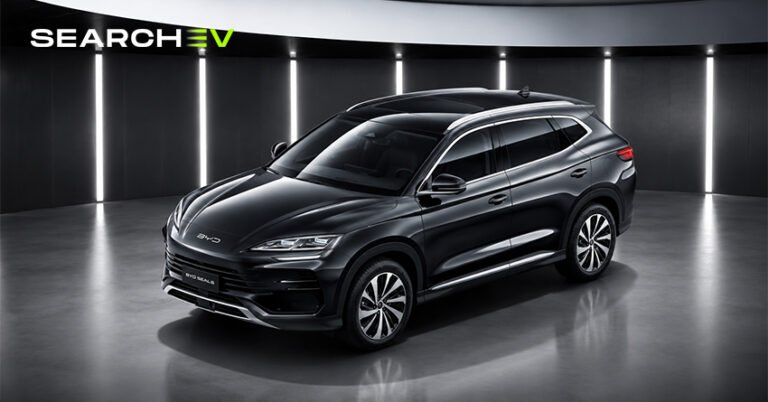
This technology is not just a concept shown in a lab. BYD has already begun integrating the platform into upcoming vehicles. One of the first models built around this new architecture is the BYD Tang L. Supporting megawatt charging requires more than just a capable battery. The system also uses a liquid-cooled megawatt flash-charging terminal along with advanced silicon carbide power chips that help manage the extremely high energy flow.
Along with the new charging system, BYD has also introduced a 30,000 RPM electric motor. The higher motor speed allows the system to pack more power into a smaller space while also improving how efficiently the drivetrain uses energy.
Charging Network Rollout Across China
Developing ultra-fast charging vehicles is a big step forward, but proper supporting infrastructure is as important. BYD has begun to expand its megawatt flash-charging network across China, with installations emerging in a variety of areas as the company’s ecosystem grows.
The business has revealed plans to create over 4,000 megawatt flash-charging stations across the country, with hundreds already completed and more planned for major cities and highways.
This rollout highlights BYD’s commitment to guaranteeing that vehicles capable of 1MW charging have the appropriate infrastructure when they reach customers.
The Infrastructure Challenge
Making a car that can charge this fast is only half the story. To make it practical, BYD uses a liquid-cooled charging cable and terminal. The cooling system keeps the temperature from rising too much and helps the cable stay flexible, so it’s still easy for people to handle even while carrying very high power. Without this kind of cooling, a cable designed for one-megawatt charging would end up thick, heavy, and difficult to handle.
The company plans to install more than 4,000 ultra-fast charging stations across China to support vehicles running on this new platform. There is still one major challenge ahead: grid capacity. Sending 1000 kW of power to just one car needs a very strong local power setup.
The challenge becomes even bigger when several vehicles plug in and start charging at the same station. Even with those hurdles, the Super e-Platform signals something important. Ultra-fast charging that takes around five minutes is no longer just a future idea. The technology is already being built and tested in real production vehicles.