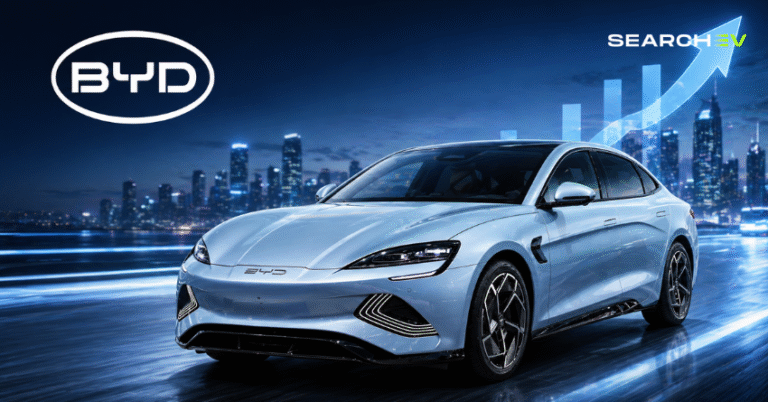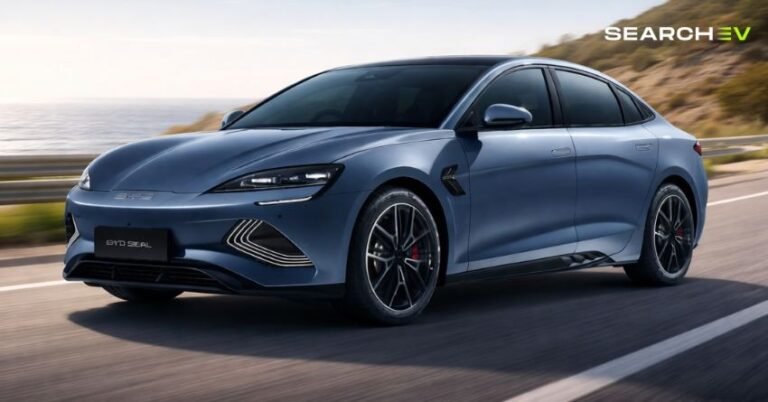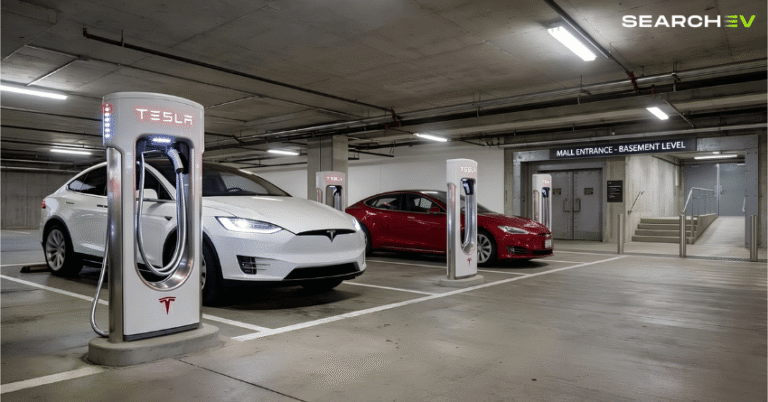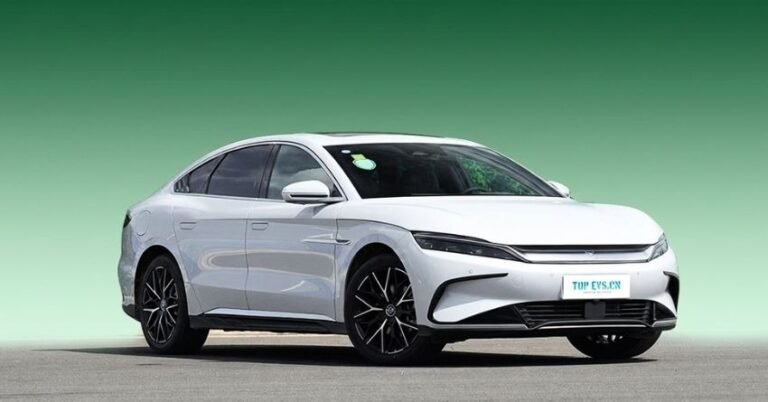

Chinese car giant BYD is officially on track to overtake Tesla as the world’s top seller of electric vehicles across the globe by the end of 2025. Market data from this week shows that BYD has built a massive lead that analysts believe is now impossible for Tesla to close before the year wraps up.
The 400,000 Car Gap
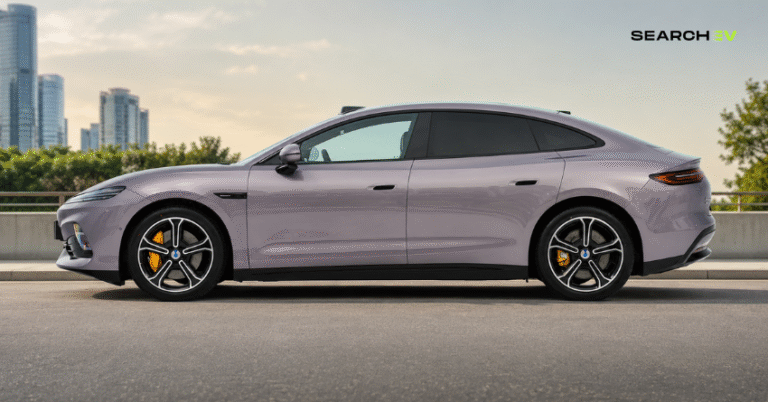
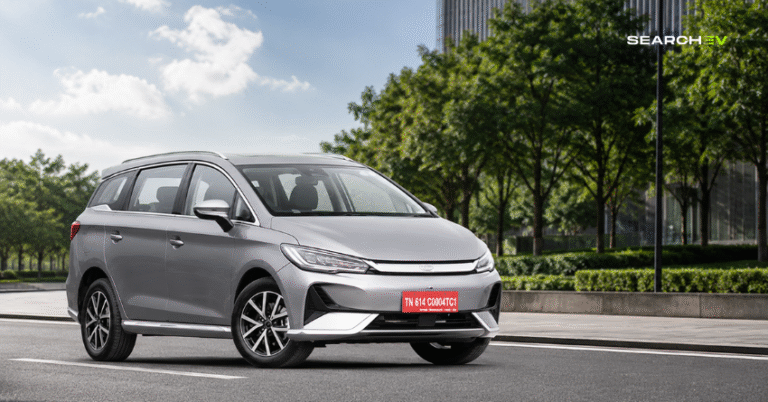
By November 2025, BYD had already put 2.07 million battery-powered cars on the road. Tesla, by comparison, is expected to finish the year around the 1.65 million mark. This means BYD is currently leading by nearly 400,000 vehicles. While Tesla’s sales actually dipped by about 7% this year, BYD’s numbers shot up because they offer a much wider variety of affordable zero-emission models that fit a normal person’s budget.
Winning Outside Of China
A huge part of this shift is happening because BYD is aggressive about selling outside of its home turf. Their European sales alone jumped by over 200% this past month. To dodge those expensive new import taxes, the company is moving fast to build factories in places like Hungary, Turkey, and Brazil. This allows them to build their battery-operated cars locally, keeping the prices low for buyers in those regions.
Making Their Own Parts
One big reason BYD is winning is that it doesn’t rely on other companies for EV components. They build their own batteries and computer chips in-house, and this “do-it-yourself” approach means they aren’t hit as hard by supply chain problems that slow down other electric car makers. By controlling the most expensive parts of a zero-emission vehicle, they can sell a high-quality car for thousands of dollars less than a Tesla.
| Metric | BYD (2025) | Tesla (2025) |
| Global EV Sales | 2.07 Million (Nov) | 1.65 Million (Est) |
| Sales Growth | Up 30%+ | Down 7.7% |
| Biggest Edge | Affordable Models | Self-Driving Tech |
| Global Strategy | Local Factories | High-End Focus |
| Inventory Status | High Availability | Model Gaps |
Tesla’s Focus On Software
Even though they are losing the sales race, Tesla isn’t sitting still. Elon Musk is betting the company’s future on artificial intelligence and “Full Self-Driving” software rather than just selling more cars. They are focusing on things like the Cybercab robotaxi to try to win back their lead in 2026. However, for now, the average driver seems more interested in BYD’s affordable plug-in prices than in experimental self-driving tech.
What This Means For Buyers
For customers, this kind of rivalry is only a good thing. As these two heavyweights push each other harder, prices come down, and the tech keeps getting better. BYD has already started teasing its new “Super e-Platform,” which is expected to deliver even faster charging speeds. As more battery-powered options hit the market, it’s becoming easier and affordable for regular families to finally shift to electric vehicles and go green.