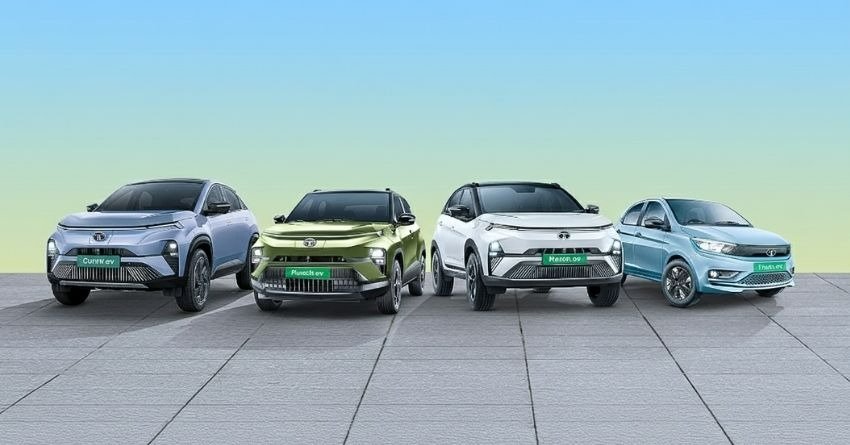
Tata Motors confirms five new electric cars and one million charging points by 2030, investing ₹18,000 crore to lead the Indian EV market.
Tata Motors is preparing to launch five new electric models in the Indian market before the end of the 2030 financial year. Shailesh Chandra, the Managing Director, announced this roadmap during a recent press meet to show how the brand plans to maintain its 50% market share as competition grows.
Massive EV Investment
The company has set aside between ₹16,000 crore and ₹18,000 crore to spend on electric vehicle research and infrastructure over the next five years. This money will be used to develop “India-first” technology and local battery manufacturing, which should help lower the price of battery-powered cars. Tata is also focusing on localising more than 50% of its components to ensure the vehicles are built specifically for Indian road conditions.
Expanding Charging Network
A major part of the 2030 plan involves setting up one million charging points across the country to fix “range anxiety” for drivers. This network will include 100,000 public fast chargers and thousands of community plug-in stations in residential areas. By making charging as easy as finding a petrol pump, Tata hopes to convince more people in Tier-2 and Tier-3 cities to switch to zero-emission transport.
Upcoming Model Lineup
The product push starts with the much-awaited Sierra, which has already seen over 70,000 confirmed bookings for its ICE variant. A facelifted version of Punch EV and a luxury Avinya range by the end of 2026, which uses an advanced Gen-3 architecture shared with Jaguar Land Rover. Three other battery-operated models will follow between 2027 and 2030, covering different price points from budget cars to luxury SUVs.
| Milestone | Expected Detail |
| New EV Models | 5 Brand New Nameplates |
| Total Investment | ₹16,000 – ₹18,000 Crore |
| Charging Points | 1 Million (Total) |
| Public Fast Chargers | 100,000 Stations |
| EV Market Goal | 50% Share by 2030 |
Sustainable Manufacturing Goals
Tata is not just making cleaner cars; they are also changing how they build them at their factories in Pune and Sanand. The company aims to achieve net-zero carbon emissions in the passenger vehicle business by 2040 and for the whole operation by 2045. Currently, they are close to using 100% renewable energy at some sites and are recycling water to lessen their environmental impact.
New Service Network
To support the growing number of electric car owners, Tata is building a separate sales and service network specifically for EVs. These showrooms will feature specialised technicians and battery repair centres that you won’t find at standard car dealerships. This move is designed to give buyers more confidence that their zero-emission vehicles can be easily maintained for many years.