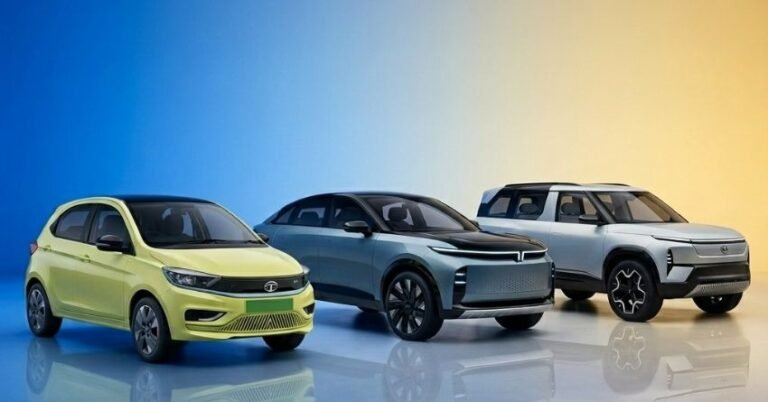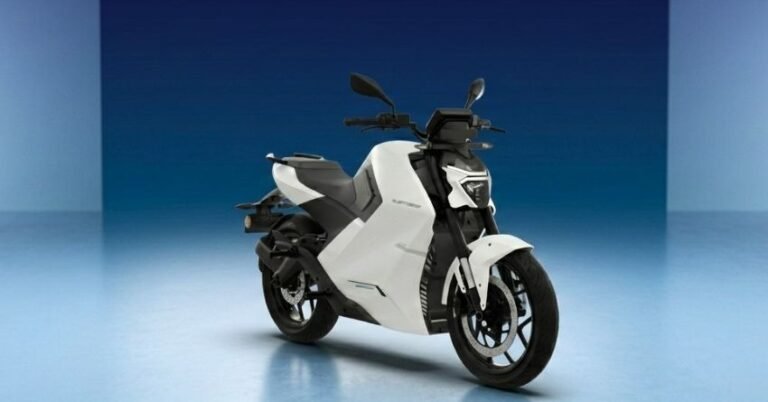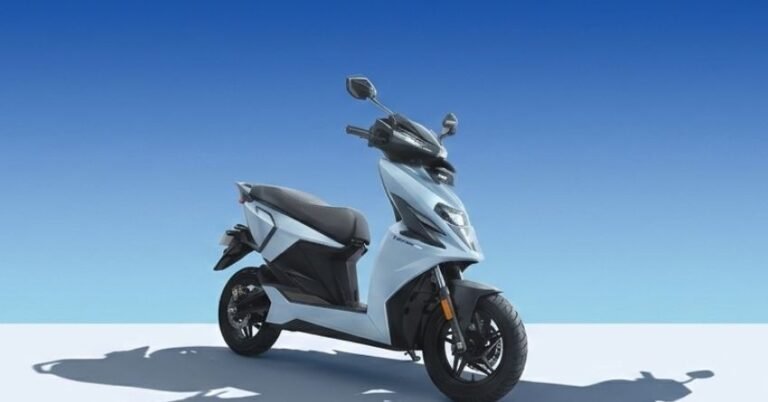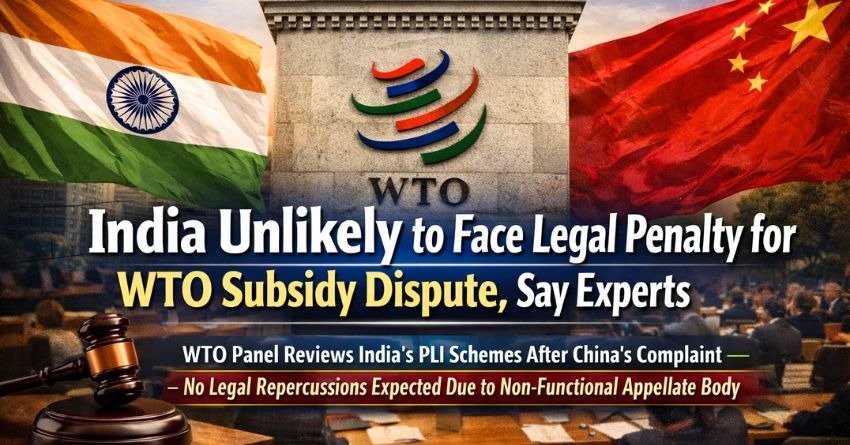
India’s electric vehicle export ambitions are unlikely to face immediate disruption despite China’s challenge at the World Trade Organisation (WTO) over India’s production-linked incentive (PLI) schemes. China has formally contested India’s PLI Scheme incentives covering sectors such as advanced chemistry cell batteries, automobiles, and EVs. Beijing alleges that the schemes discriminate against foreign firms and distort trade by favouring domestic manufacturers. However, trade experts say the situation is unlikely to result in penalties or export restrictions in the near term.
No Immediate Legal Risk to EV Exports
A big part of this comes down to how the WTO’s dispute system is functioning right now. The appellate body isn’t really operational, so even if a panel were to rule against India, there isn’t a clear path to actually impose penalties. In practical terms, that means no immediate sanctions or trade retaliation for Indian EV and battery exports.
For exporters, it’s business as usual, the shipments can continue, overseas orders aren’t expected to stall, and companies can move ahead with their plans without suddenly having to deal with fresh trade barriers.
PLI Focused on Manufacturing, Not Exports
Trade experts also make a simple point: the PLI schemes are designed to encourage companies to manufacture and invest more within India. The scheme rewards companies for expanding production and putting fresh money into their Indian operations, not for simply pushing more units into foreign markets.
That difference matters, the WTO rules tend to come down harder on direct export subsidies than on incentives tied to local manufacturing. Since the incentives are tied to making and investing in India, rather than rewarding companies for exporting more, it’s not that easy to argue they cross the line under global trade rules.
For EV exporters, this means the cars and batteries going out of India aren’t being backed by export-only subsidies that could automatically trigger trade penalties.
Potential Political Impact, Limited Trade Fallout
Another factor working in India’s favour is the presence of global companies within the PLI ecosystem. International manufacturers and suppliers have set up production bases in India and are availing incentives under the scheme. This weakens the argument that the policy is discriminatory in nature. As a result, large EV component makers and battery firms exporting from India are unlikely to see immediate pushback in key markets.
Some analysts believe there could be a fair bit of political signalling around this dispute, but they don’t expect it to materially disrupt India’s EV trade in the near term. China’s complaint may move through consultations and formal WTO procedures. Still, unless things spill over into wider trade action beyond the WTO route, Indian EV exports are likely to continue without any real operational impact.
What This Means for India’s EV Ambitions
Over the past few years, India has been steadily pitching itself as a serious manufacturing base for EVs and advanced batteries. Policy backing through schemes like PLI has played a big role in drawing investment and helping companies scale up production. At this stage, the WTO dispute doesn’t seem strong enough to knock that progress off course.
Exports can move ahead under the current setup, and manufacturers aren’t facing any immediate trade shock. The real uncertainty isn’t about instant penalties, it’s about how global trade relationships shift over time. For now, though, India’s EV export plans are still on track.