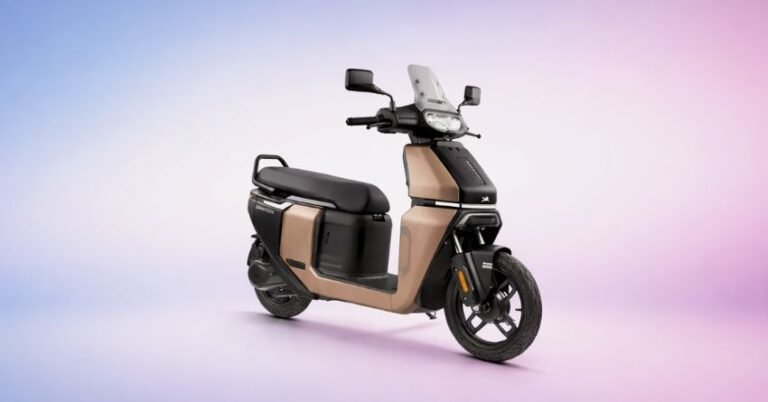
Over the last year, Ultraviolette Automotive has been a part of the news around electric vehicles almost constantly, with its frequent products, future models, partnerships, and expansion plans. The company located in Bengaluru has been a constant participant in India’s electric two-wheeler debate. At a time when competition in the segment is intensifying, that visibility has helped the brand stay relevant.
Products defined by specs
Much of the discussion around Ultraviolette has centred on numbers. Claimed range, power performance, and tech features were the key elements in the promotion and discussions of its first EV scooter. This has made Ultraviolette Automotive a performance-oriented electric vehicle (EV) manufacturer rather than a typical commuter brand. On paper, the approach sets it apart. On the road, however, riders tend to look beyond specifications.
High performance, limited audience
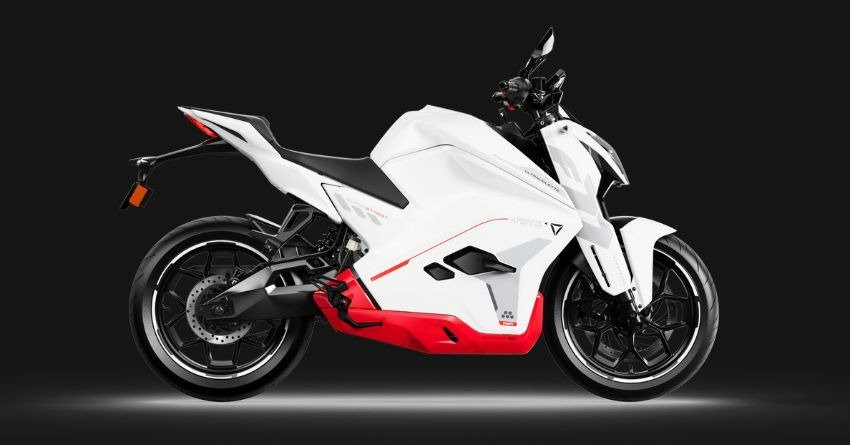
Ultraviolette currently concentrates on high-end, performance-focused electric motorcycles, but this segment remains niche in India. Unlike electric scooters that have gained widespread popularity, performance electric bikes still attract a small, specialised audience. As a result, factors like daily usability, ownership experience, and service accessibility are increasingly important for achieving long-term success.
Announcements vs everyday experience
Alongside product updates, Ultraviolette has spoken regularly about charging tie-ups, experience centres, and long-term expansion, including overseas markets. The company has already begun selling in select European markets and has sold around 500 units by August 25, showing that its plans are moving beyond intent.
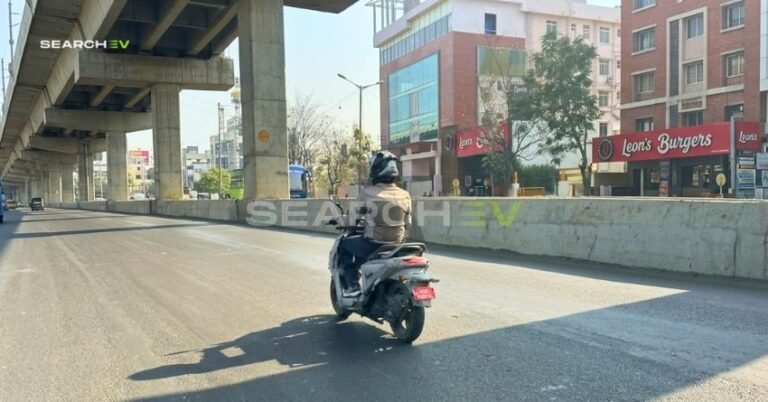
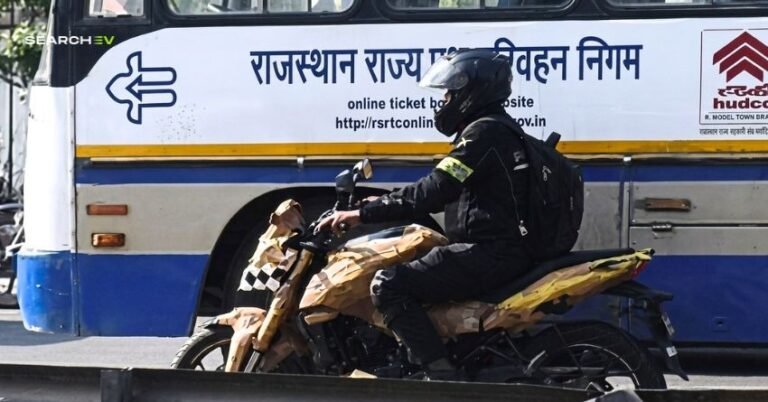
On the domestic front, regulatory filings indicate future intent. Ultraviolette Automotive Pvt Ltd has sold up to 135 electric scooters throughout all Indian states by 2026, indicating that the business is planning a bigger, more mass-market presence alongside its premium bikes.
At the same time, customers continue to judge electric two-wheelers on more immediate factors such as charging access, service availability, and delivery timelines. As the brand expands its footprint, clarity on these everyday ownership things often matters more than announcements about future growth.
Delivery timelines under scrutiny
Delivery timelines are now a concern for potential buyers. Early customers of Ultraviolette have reported delays and poor communication about delivery dates. Although delays are common in the EV market, they can harm customer trust, particularly in a segment where confidence and after-sales support are critical. For a brand that aims to be seen as premium and performance-oriented, meeting delivery timelines is just as vital as the quality of the product.
A broader push begins
Recent moves suggest Ultraviolette is trying to reach beyond a small group of early buyers. Alongside its premium products, the company is now talking about more accessible electric models. That shift points to a wider audience in mind, but it also raises expectations. Selling at scale brings different challenges, especially around service support and day-to-day ownership.
What riders are looking at now
Buyer behaviour is also changing. Performance numbers and launch buzz still matter, but they no longer decide the purchase on their own. Riders are paying closer attention to real-world range, charging access, and how easy a vehicle is to live with over time. For many, confidence in a brand builds only after the product has been on the market for a while.
Where things stand
Ultraviolette has managed to stay visible during a key period for India’s EV market. The next test is whether that attention turns into long-term trust. As choices increase and buyers become more informed, the focus is likely to shift from announcements to how well the products hold up in everyday use.