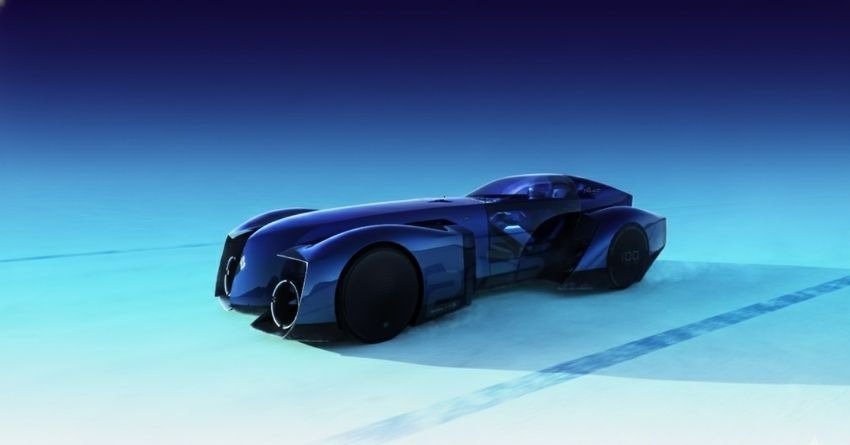
Renault completed a massive 1,008-kilometre drive at the UTAC test track in Morocco on December 18, 2025. The project was launched as a “laboratory on wheels” to show that electric cars can travel long distances at highway speeds without needing massive, heavy batteries.
Real Highway Speeds
Most range tests crawl along at low speeds to stretch every last bit of charge, and this one didn’t. The Filante Record held a steady 102 km/h for the entire run. This speed matches real-world motorway driving, making the result more relevant for everyday travellers. By the time the 10-hour test ended, the car still had 11% of its battery remaining, which would have been enough to cover another 120 kilometres.

Using Standard Batteries
What makes this record special is that Renault did not use a custom or oversized power pack. The EV used a standard 87 kWh battery, which is the same unit found in the current Renault Scenic E-Tech production model. By using a regular battery-powered setup, the team demonstrated that efficiency stems from the caris design, not just its energy capacity.
Extreme Weight Savings
That consistency came down to weight, and it was engineered to be extremely light, tipping the scales at just 1,000 kg. Engineers utilised carbon fibre for the body and 3D-printed aluminium for several internal components to minimise weight. This zero-emission prototype also used “by-wire” technology for steering and braking, which removes heavy mechanical links and frees up space inside the chassis.
| Test Detail | Record Performance |
| Total Distance | 1,008 Kilometers |
| Drive Time | 9 Hours 52 Mins |
| Energy Used | 7.8 kWh / 100km |
| Battery Size | 87 kWh (Standard) |
| Vehicle Weight | 1,000 kg |
Wind Tunnel Design
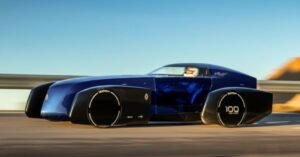
The EV’s shape was refined after months of wind tunnel testing to reduce air resistance. It features a long-tail design and special wheel fairings that help it glide through the air much more easily than a standard SUV. This battery-operated concept achieved an energy consumption rate of just 7.8 kWh per 100 km, which is nearly half the power used by most modern electric vehicles.
Future Tech Impact
While the Filante is a single-seat demo car, Renault plans to use the data from this test to improve its future road cars. The goal is to apply these aerodynamic tricks and lightweight materials to family vehicles to help them go further on a single plug-in charge. If this thinking carries forward, it could mean more affordable electric cars that still go the distance, without relying on large, costly battery packs to do it.