Mahindra has begun the rollout of its ultra-fast charging stations, with a particular focus on the main highway corridors. The charge stations were named Charge_IN, and they were opened on November 25, 2025, as a part of the strategy to support the growing line-up of electric vehicles by Mahindra and to reduce range anxiety for customers.
New Charging Stations
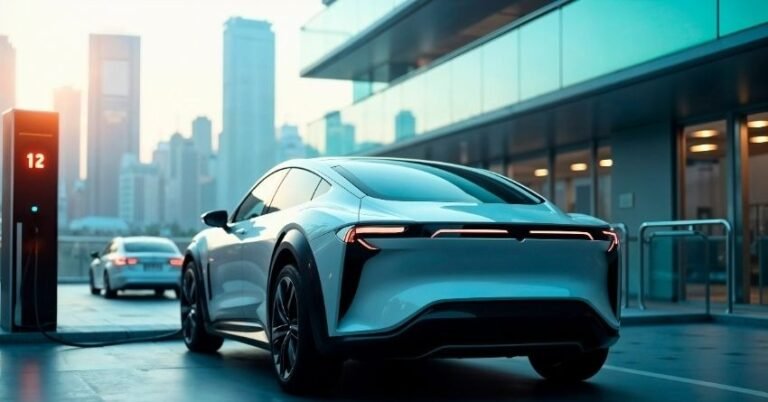
Mahindra has declared the establishment of 250 high-power EV charging stations across the country with a maximum output of 180 kW. The first two ‘Charge_IN’ stations have been strategically located on the country’s most important highways, one in Hoskote on NH 75 near Bangalore, and the other in Murthal on NH 44 near Delhi. These places offer excellent charging facilities for EV drivers travelling on major national highways.
Fast Charging Speed
The new 180 kW ultra-fast chargers are made to provide access to quick charging times. For the owners of Mahindra’s electric SUVs BE 6, XEV 9e, and the coming XEV 9S, these stations can bring the battery back to 80% from 20% in just 20 minutes. This feature is of utmost importance in making long-distance highway travel more convenient.
Network Expansion Plan
Mahindra has set the bar high for itself regarding the charging infrastructure. The firm anticipates its charging network will exceed 1,000 points by the end of 2027, with the addition of 248 ultra-fast Charge_IN stations located near essential amenities such as restaurants and cafes.
For All EVs
The newly launched Charge_IN network is available to all electric vehicle users without any restrictions on the brand. Mahindra EV users can make use of the ‘Me4U’ app, exclusively designed for them, where they can find charging stations, perform charging, and make payments. On the other hand, customers with electric vehicles from different manufacturers can conveniently navigate the network using the app that Mahindra designed for them, called ‘Charge_IN by Mahindra’.
Dual-Port Chargers
The setup of each Charge_IN station consists of a pair of 180kW ultra-fast chargers. This kind of setup makes it possible to charge four electric cars at once in one place. Main reasons for the construction of this configuration include demand management and a reduction in electric car operation time on these highway routes.